A Year On The Allotment
James Aufenast
My year long project with Lisa at Jazzy Rose Flowers, that I finished pretty much a year ago, left a mark. A year of light and weather and growth. Of being outside and watching the world turn.
It pulled me to this, to the rhythm of the seasons and the stories they tell.
James didn’t need convincing. He was all in from the start.
So here we are.
A year on the allotment.
Starting October 2025. Four seasons.
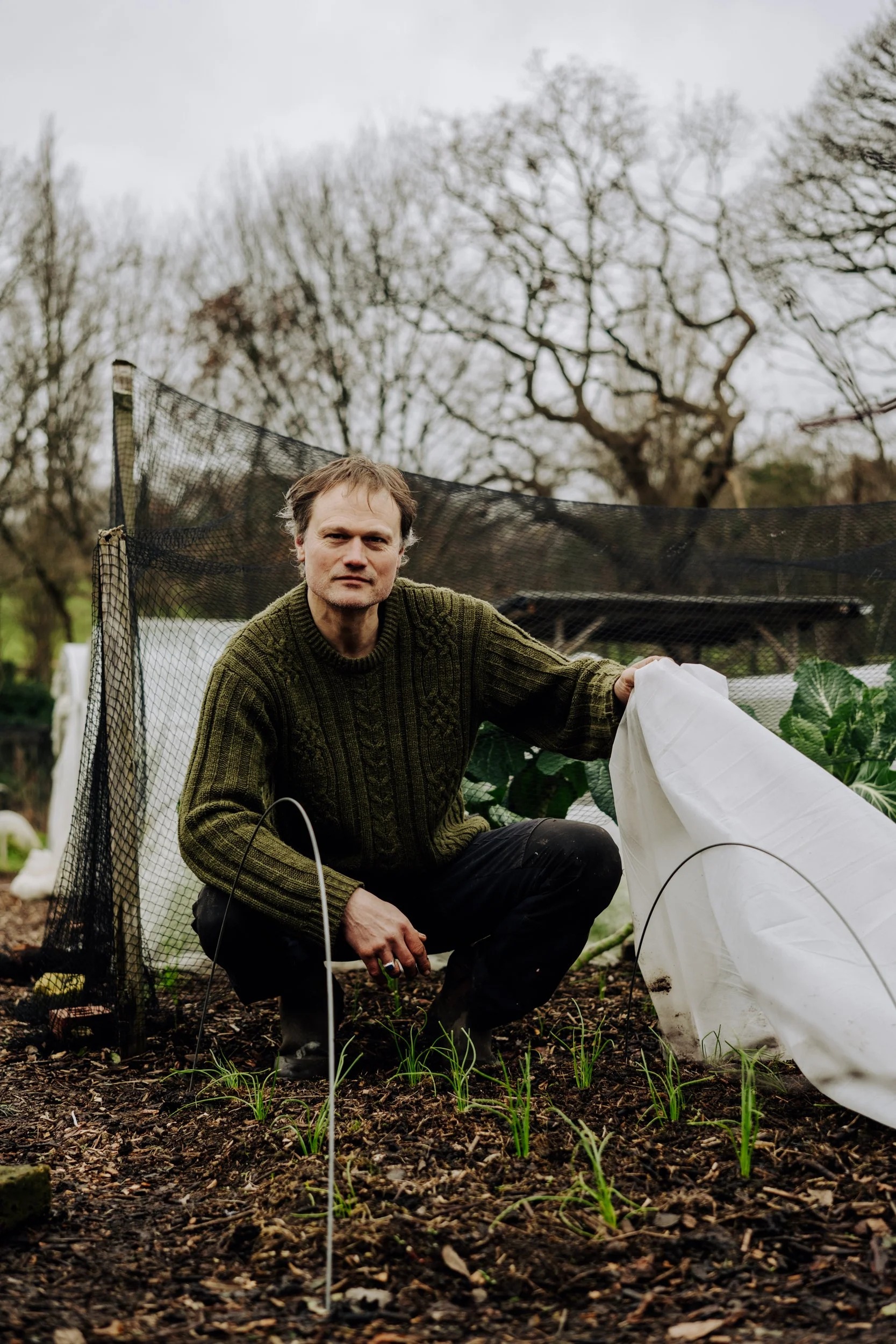
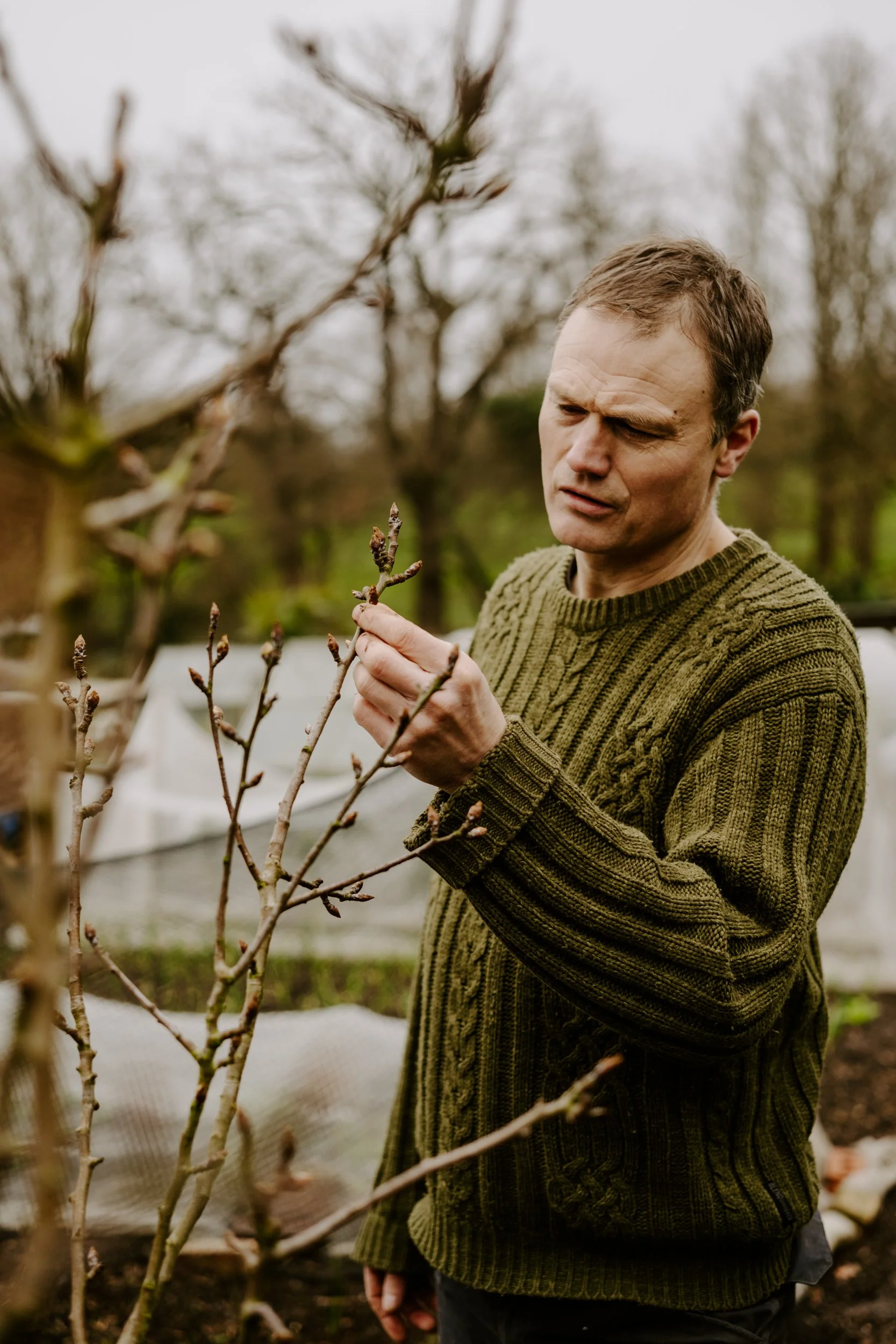
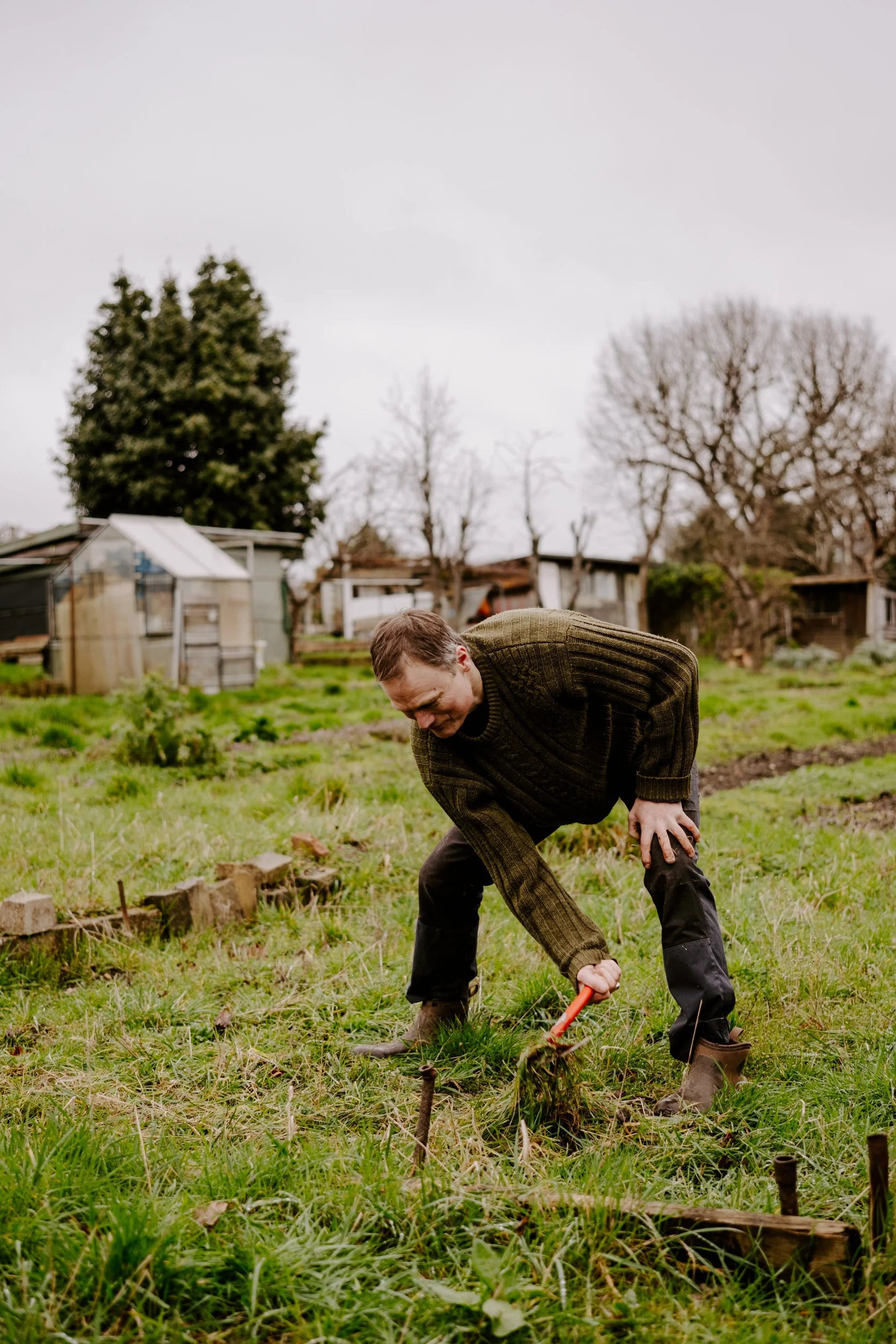
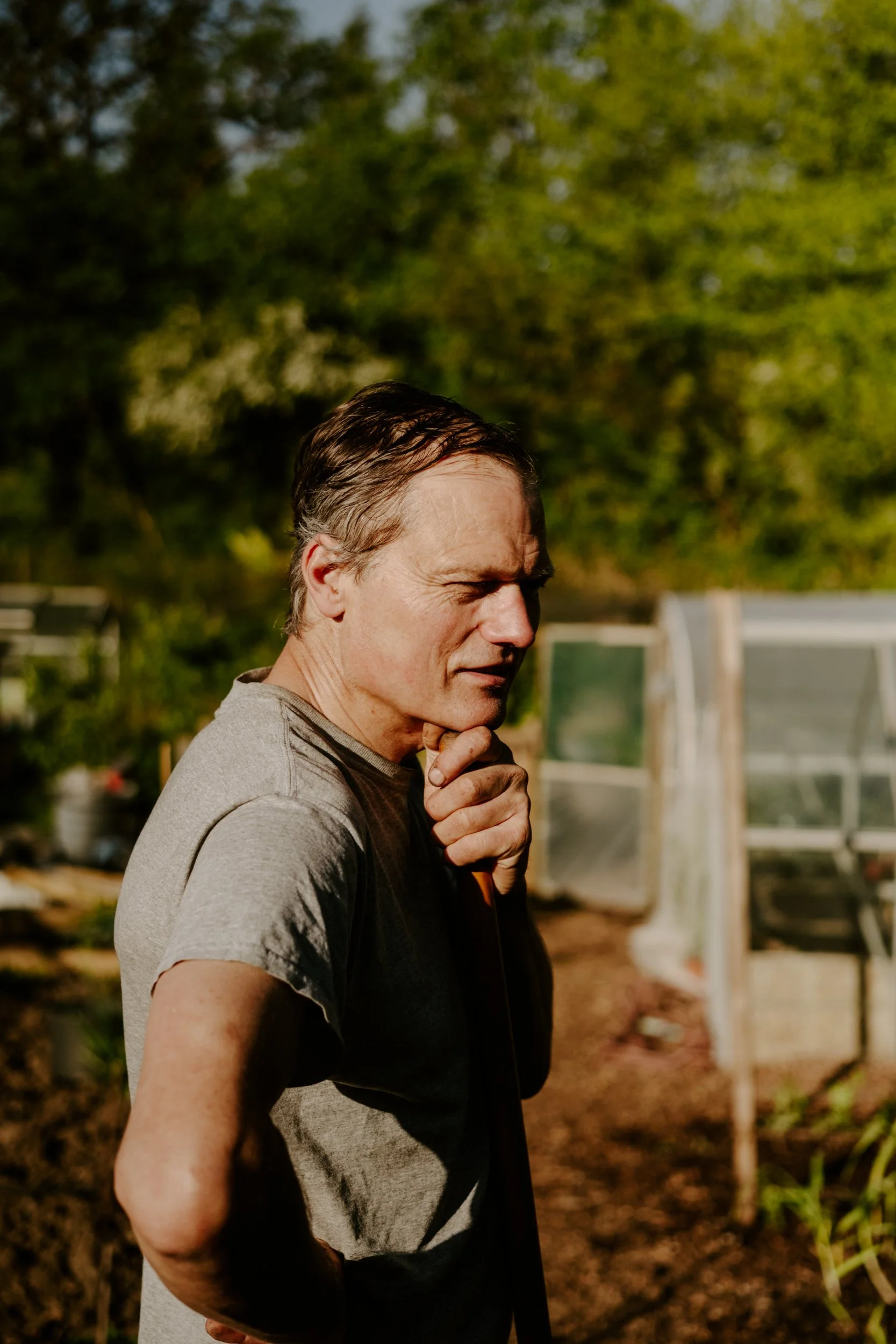
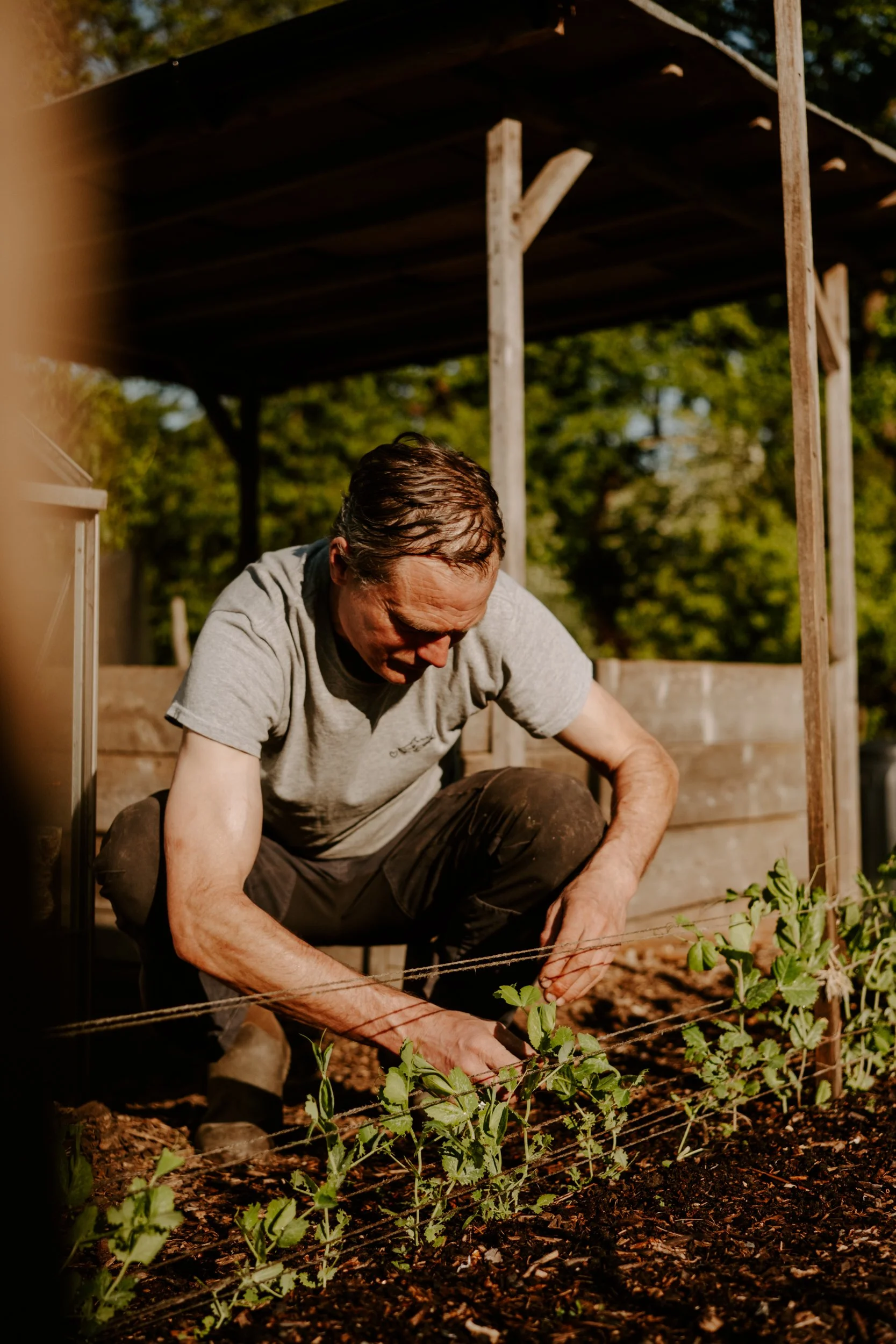
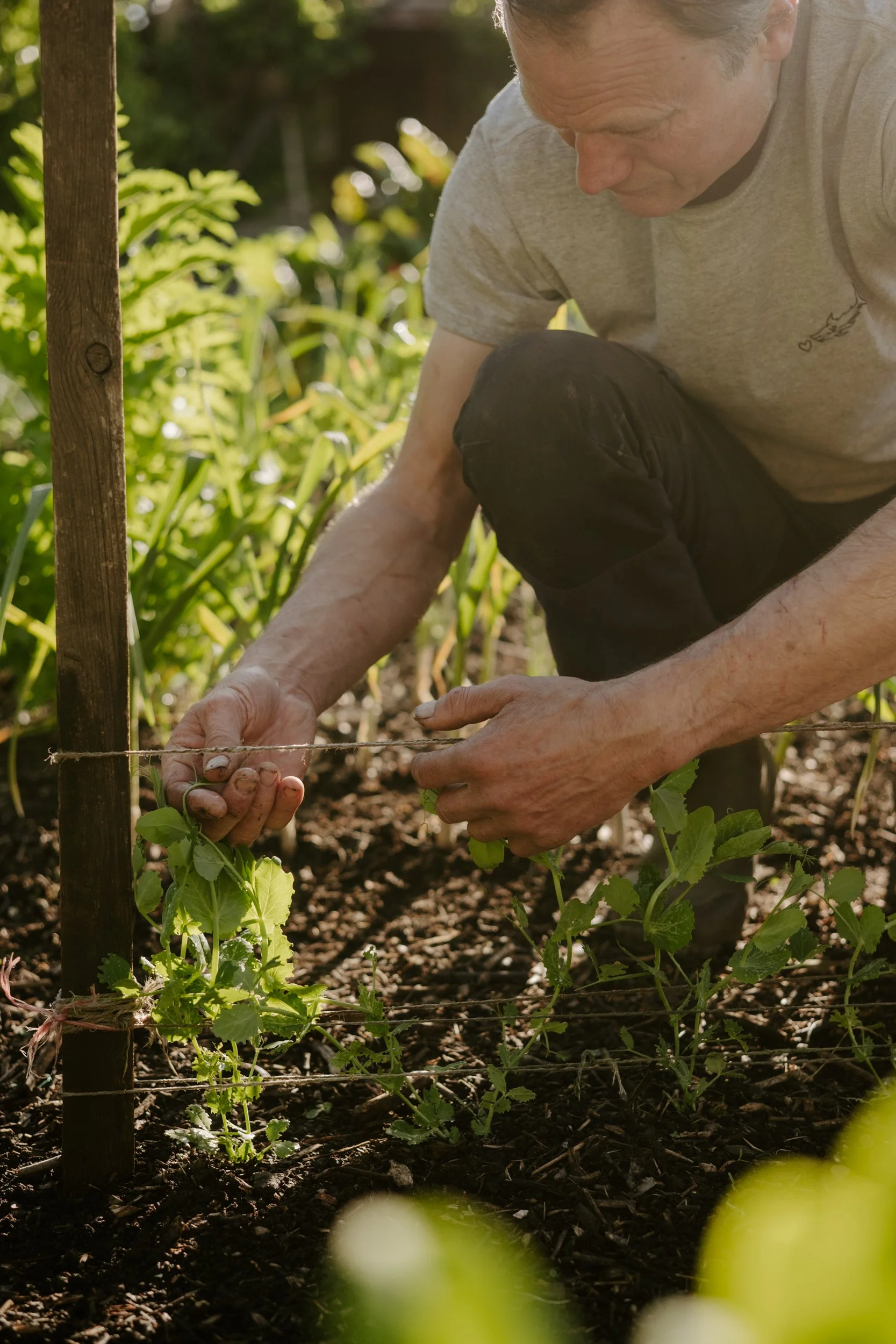
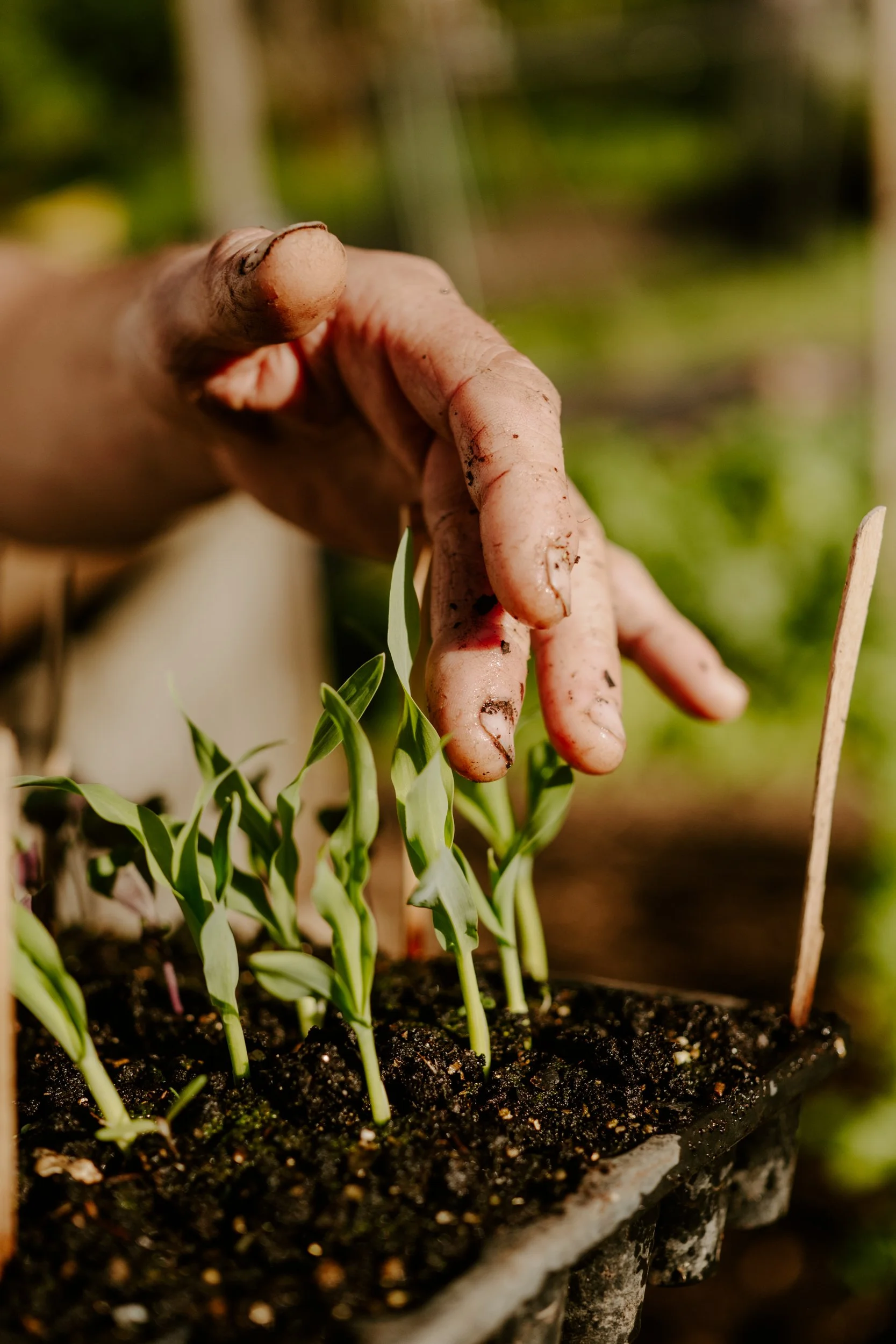
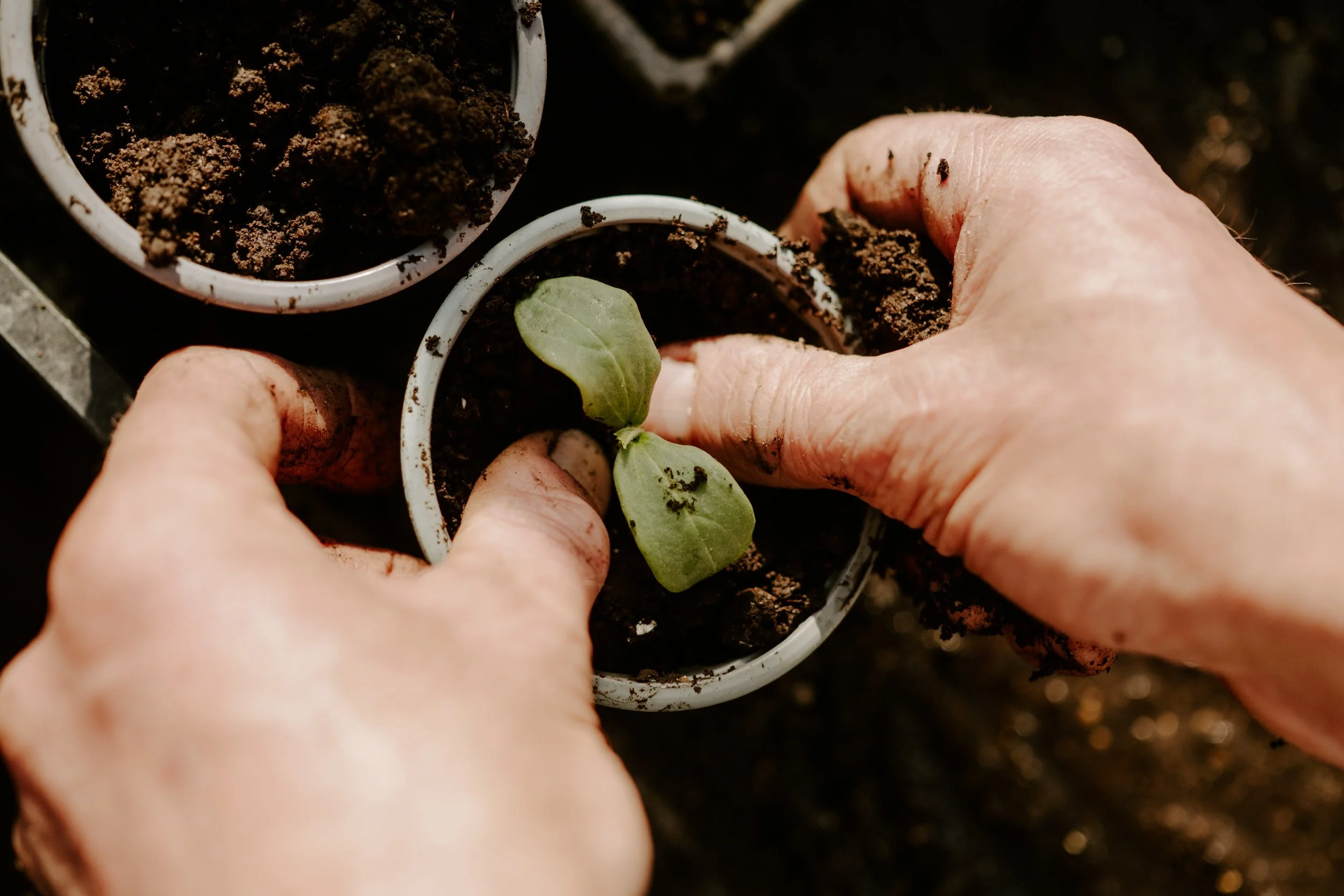
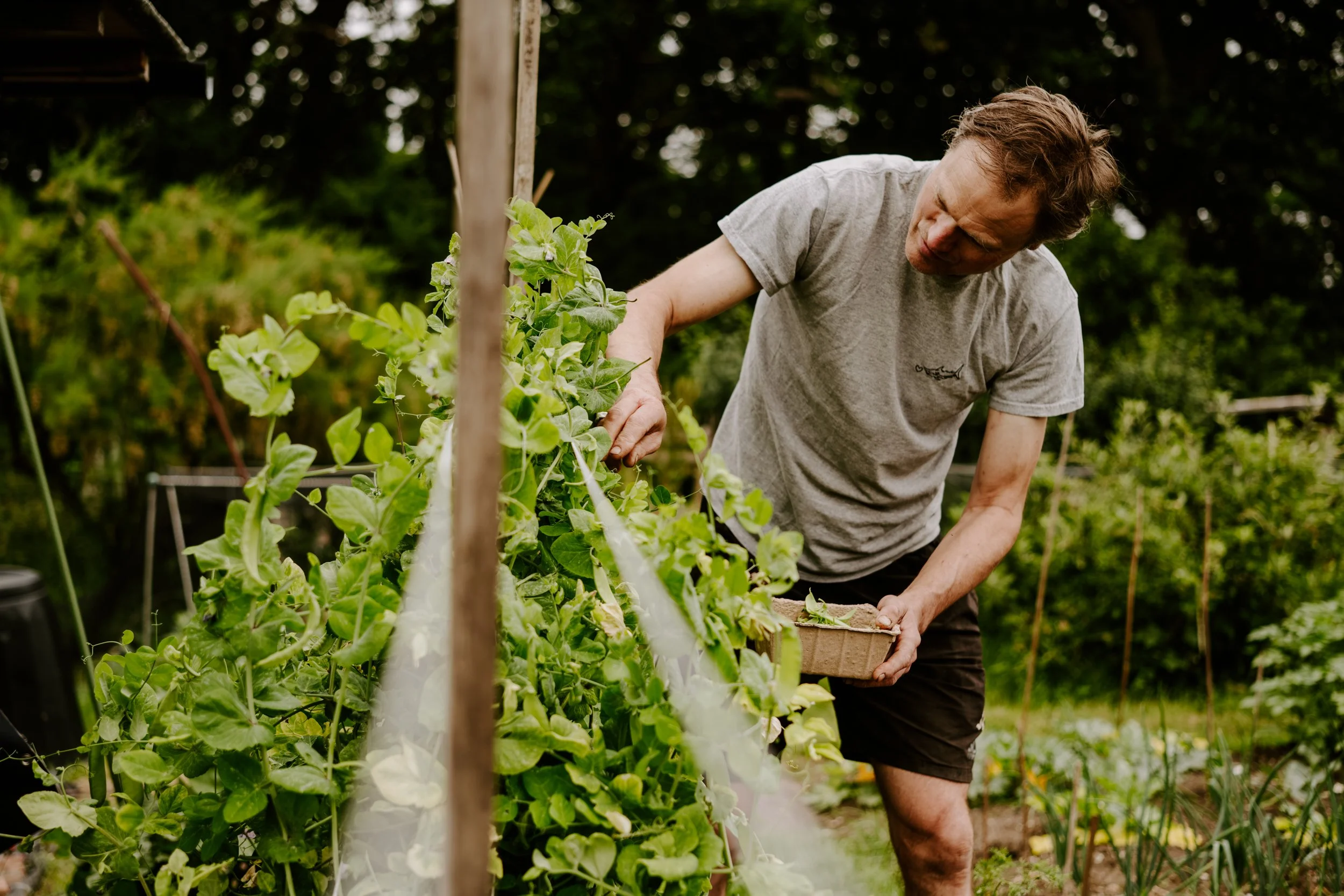
Let’s see what unfolds, through his hands, and through my lens.
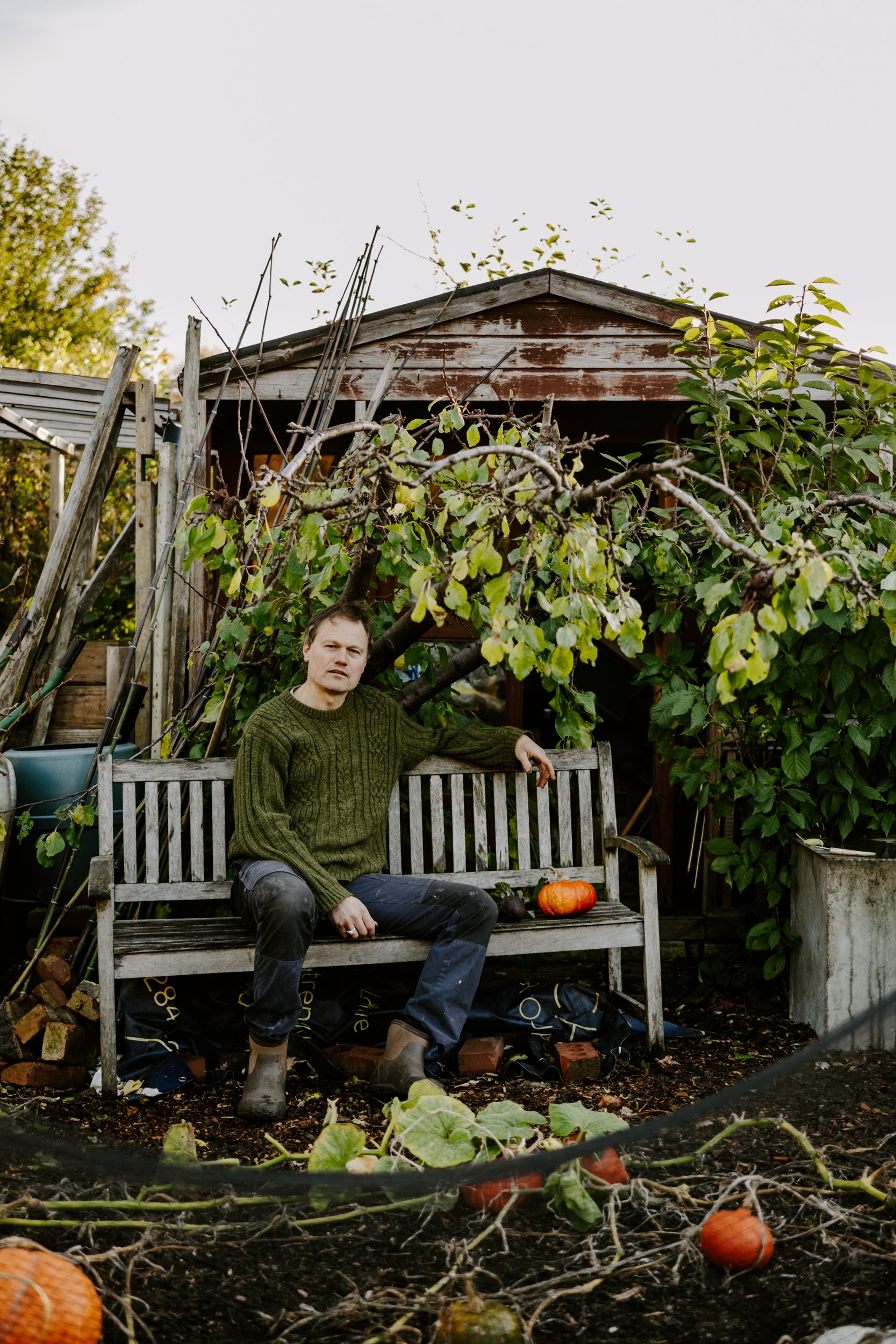
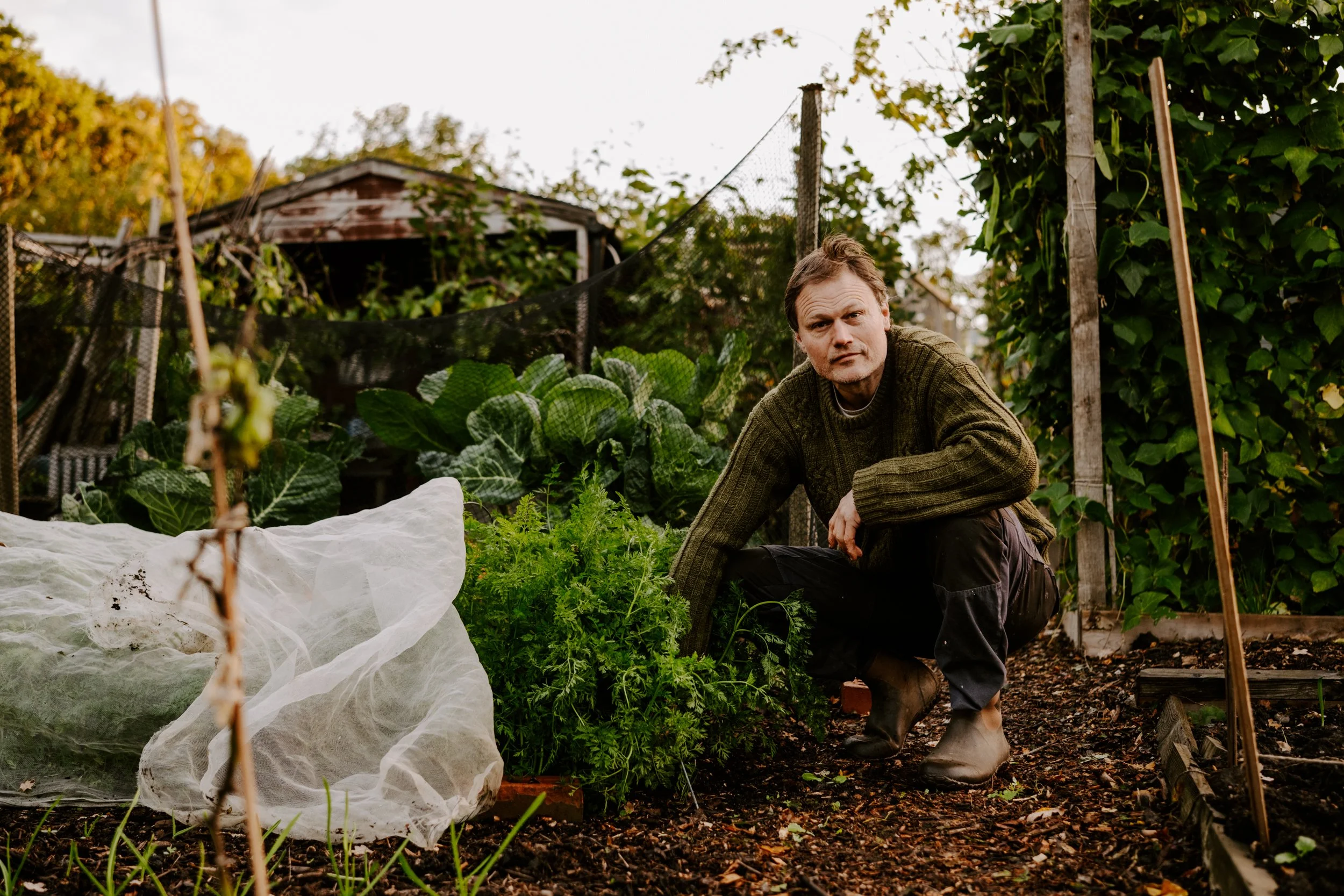

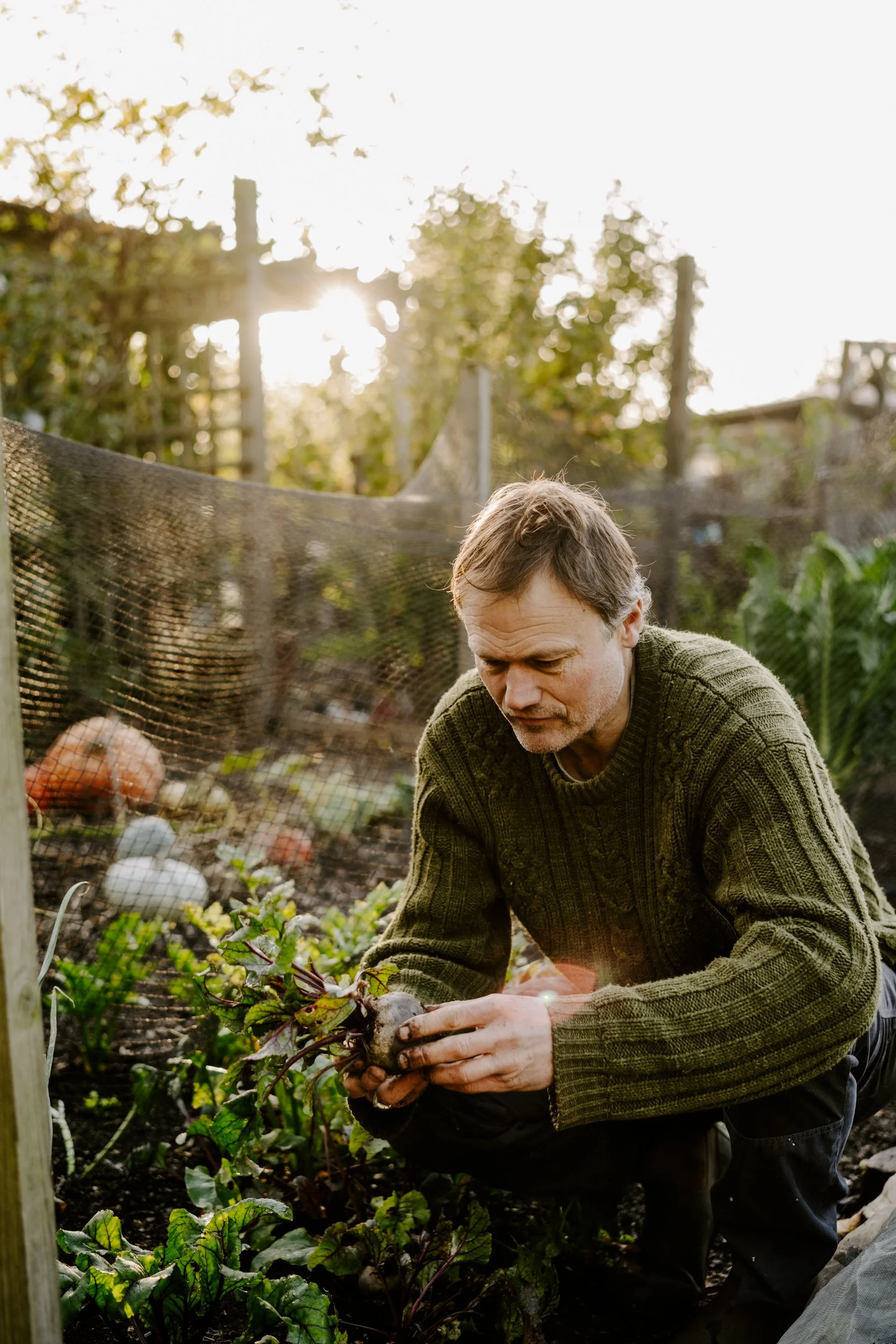
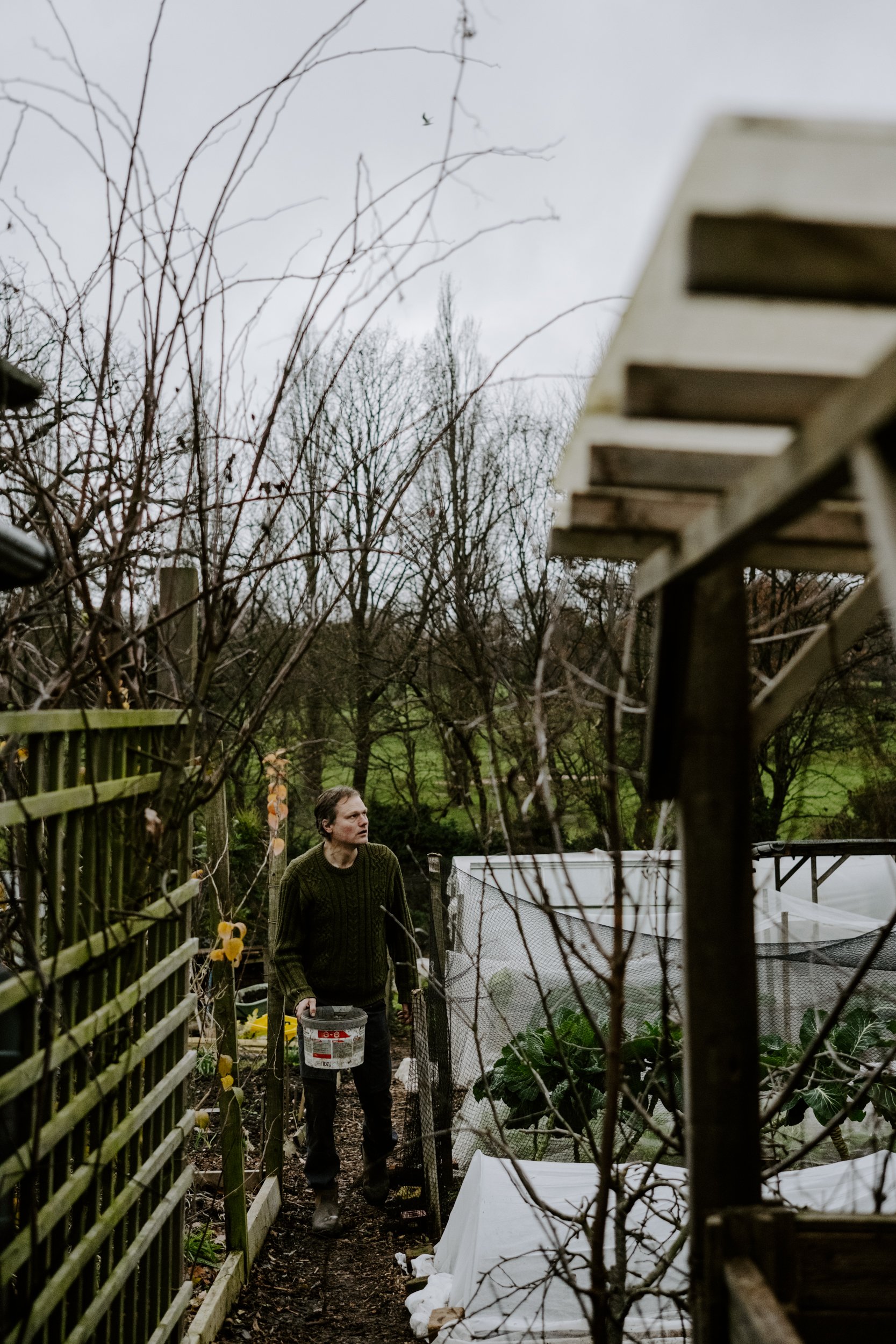
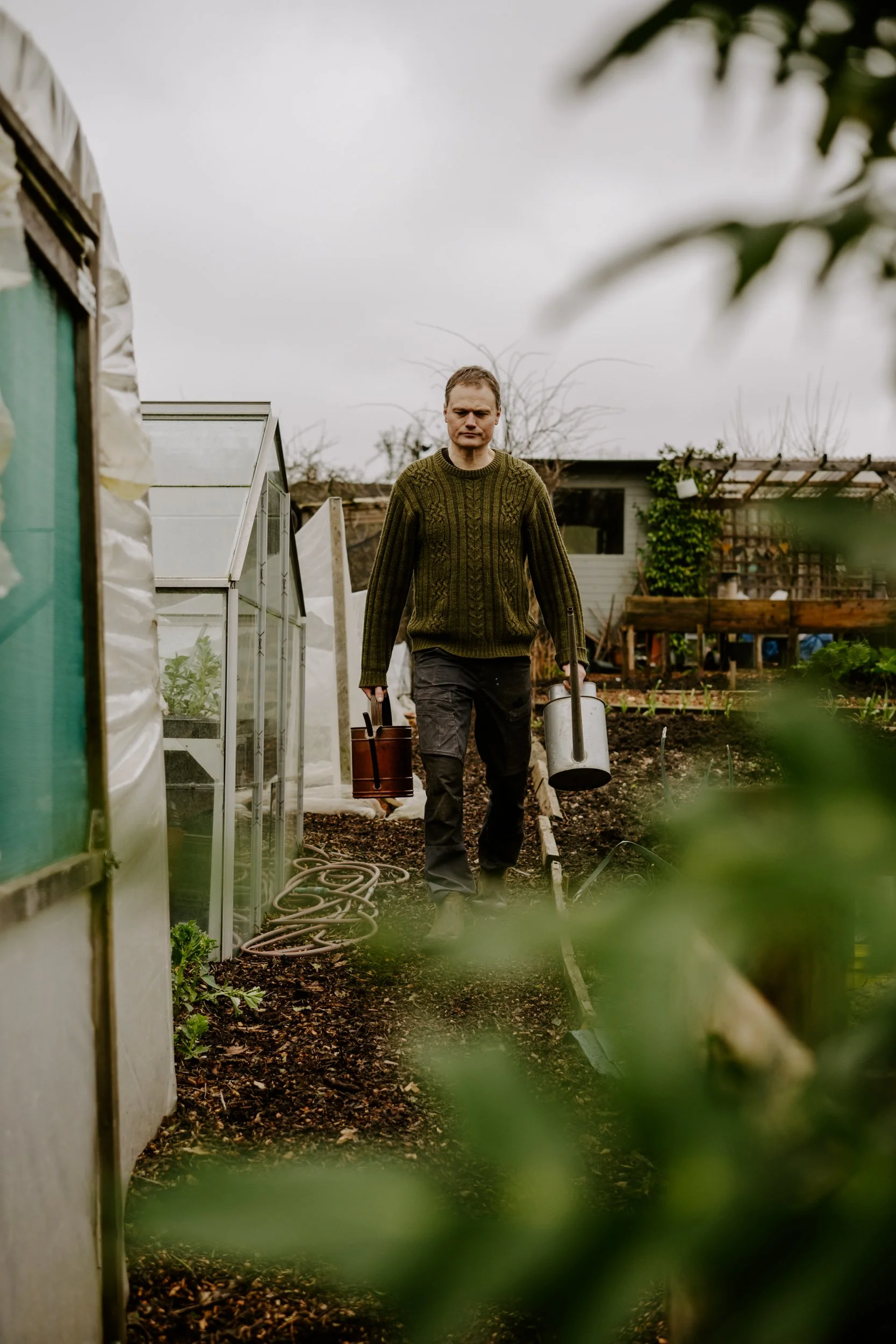
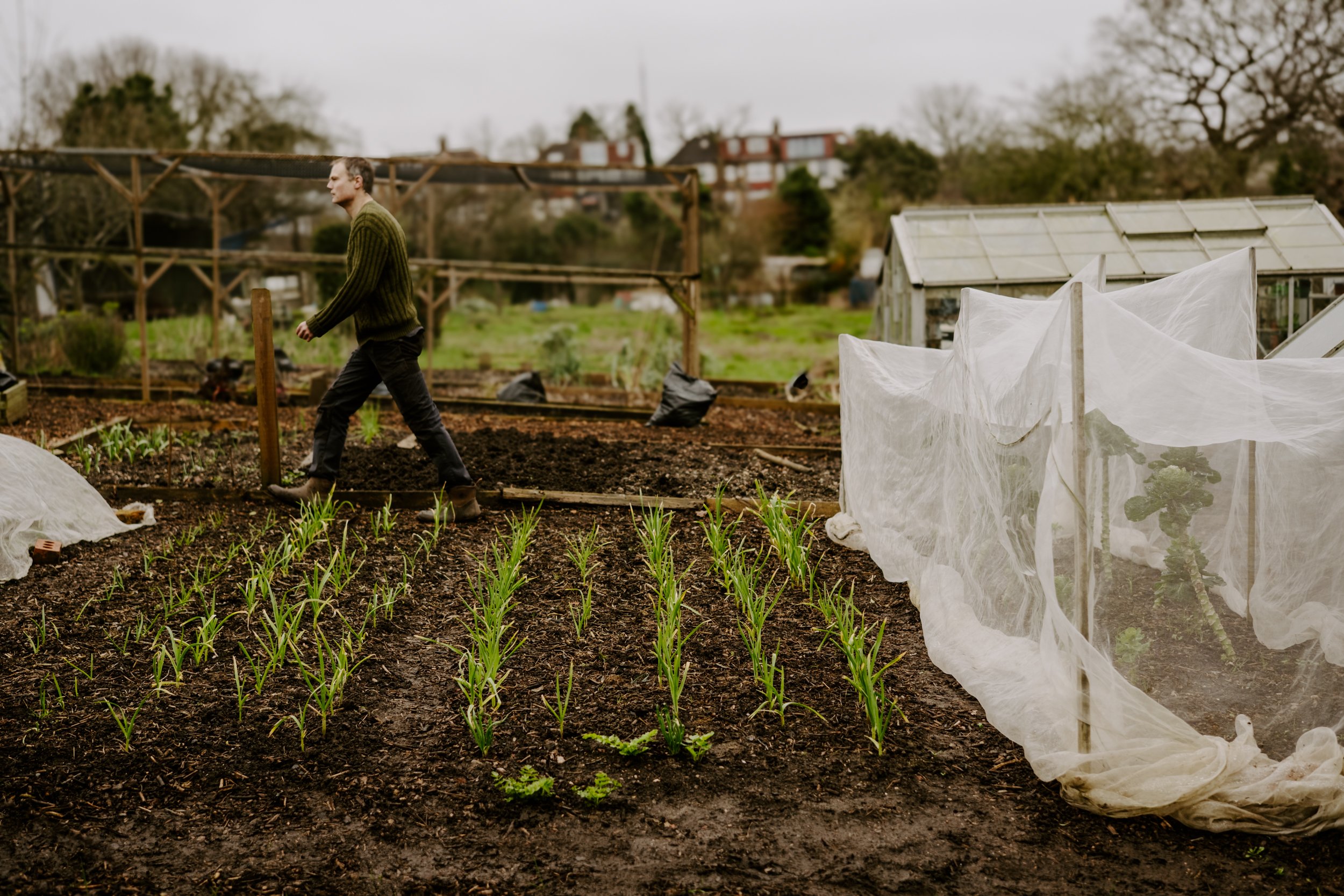
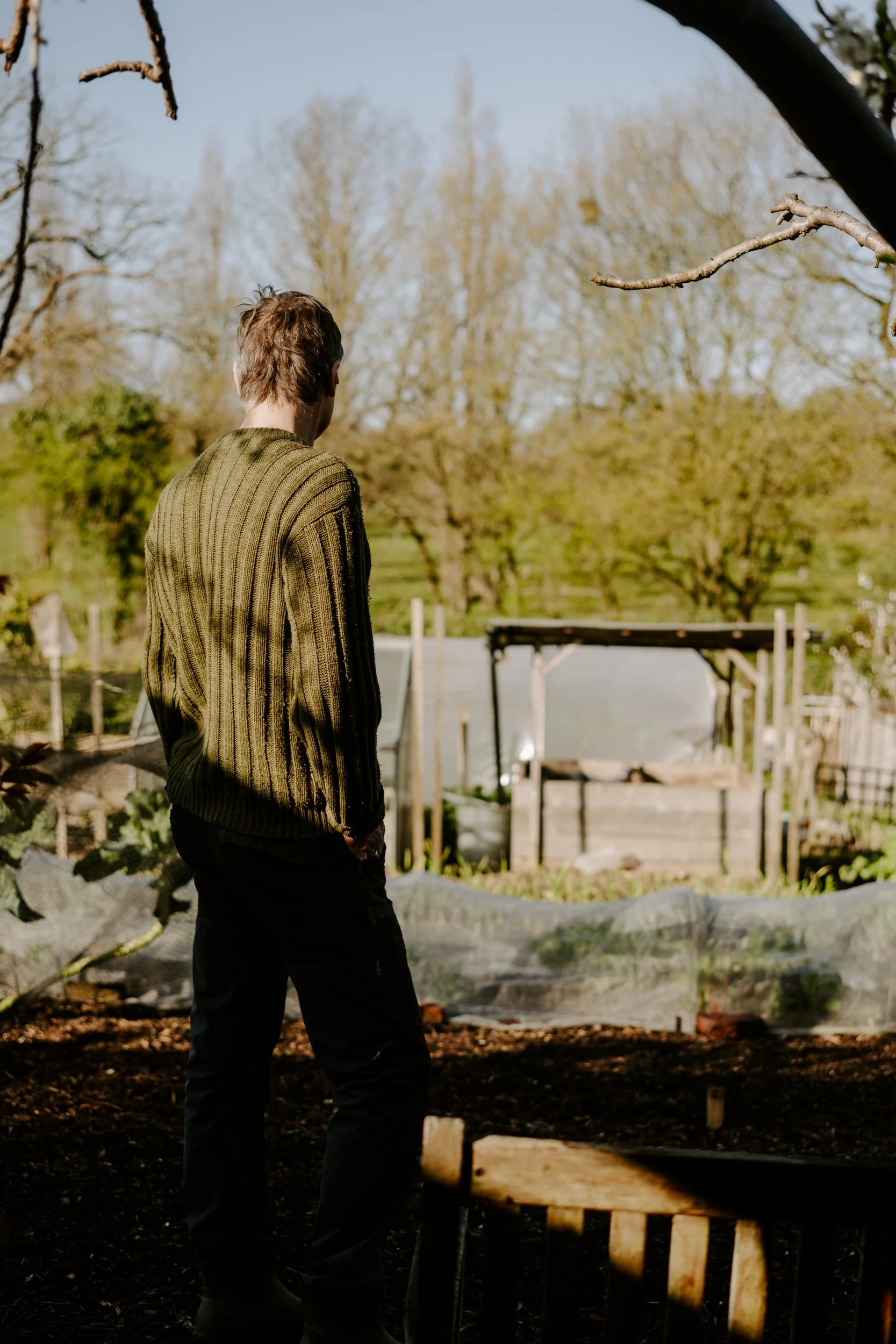
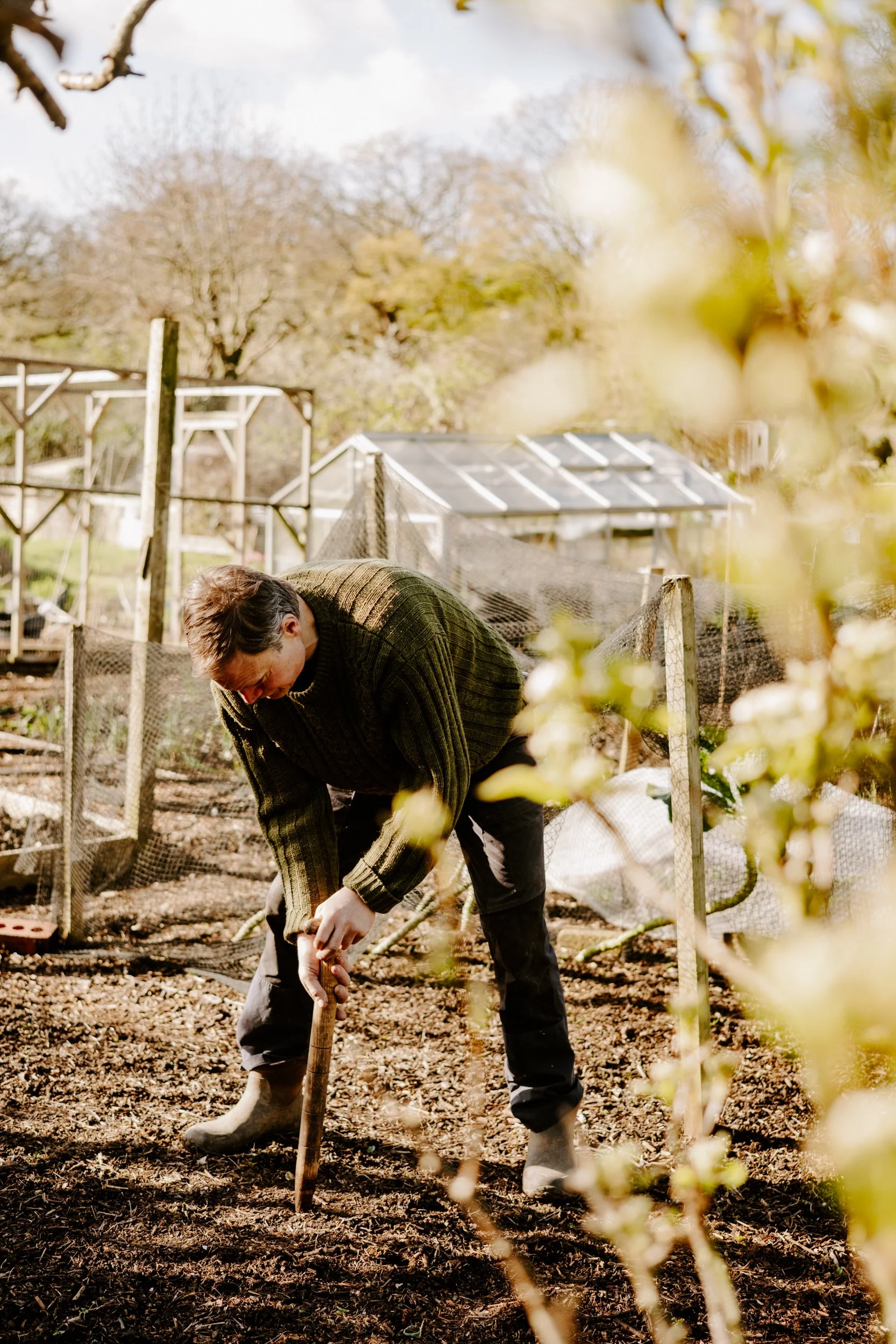
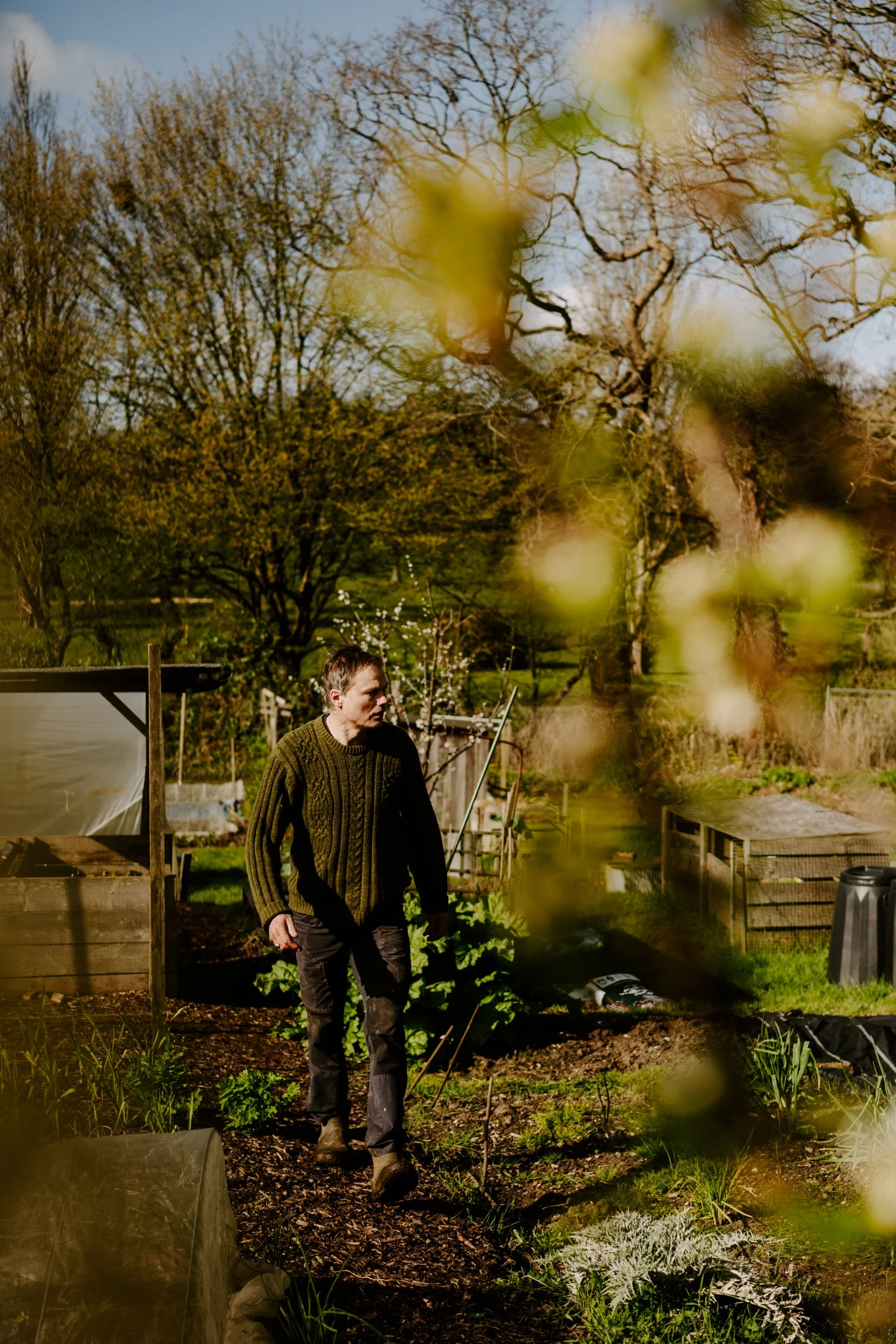
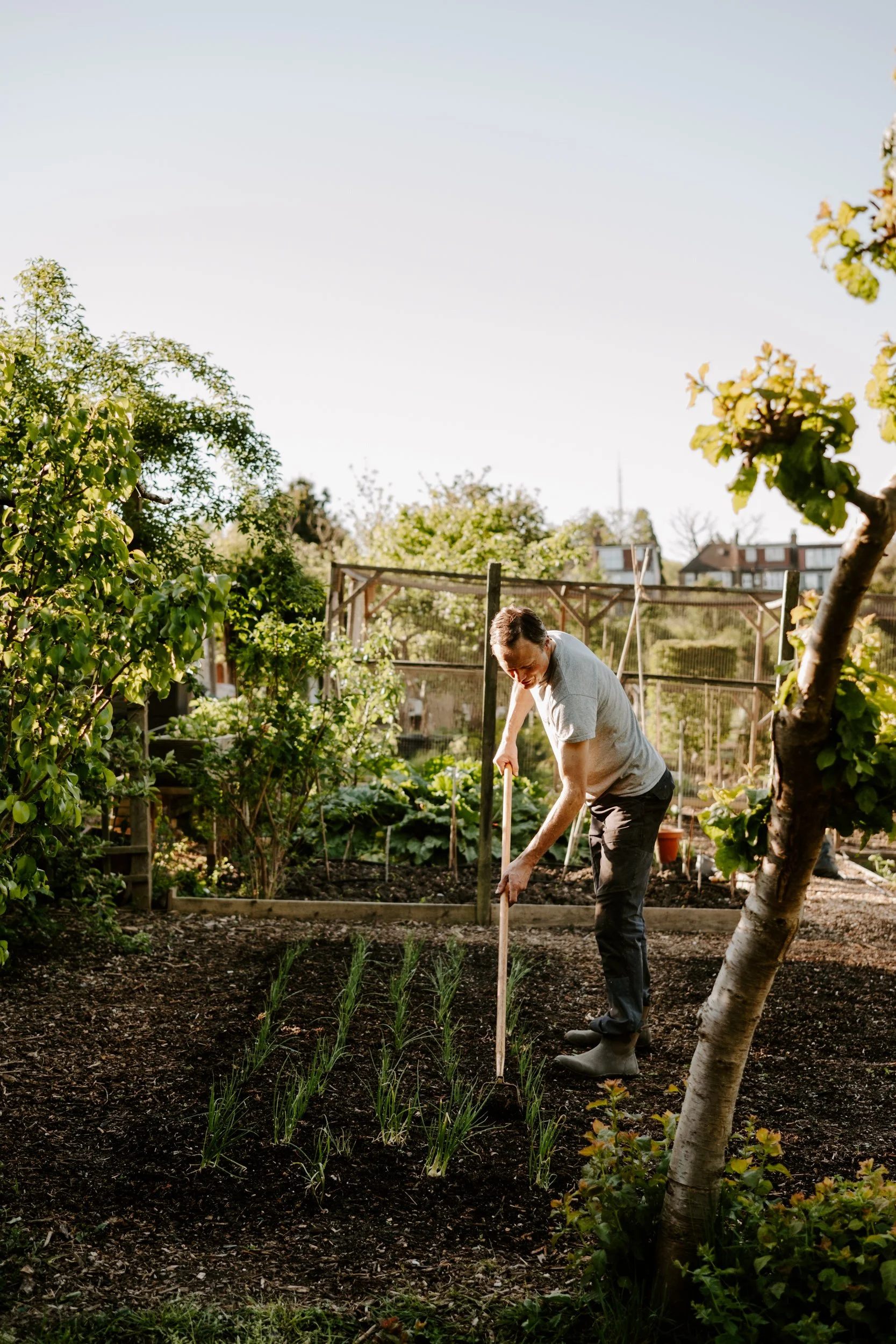
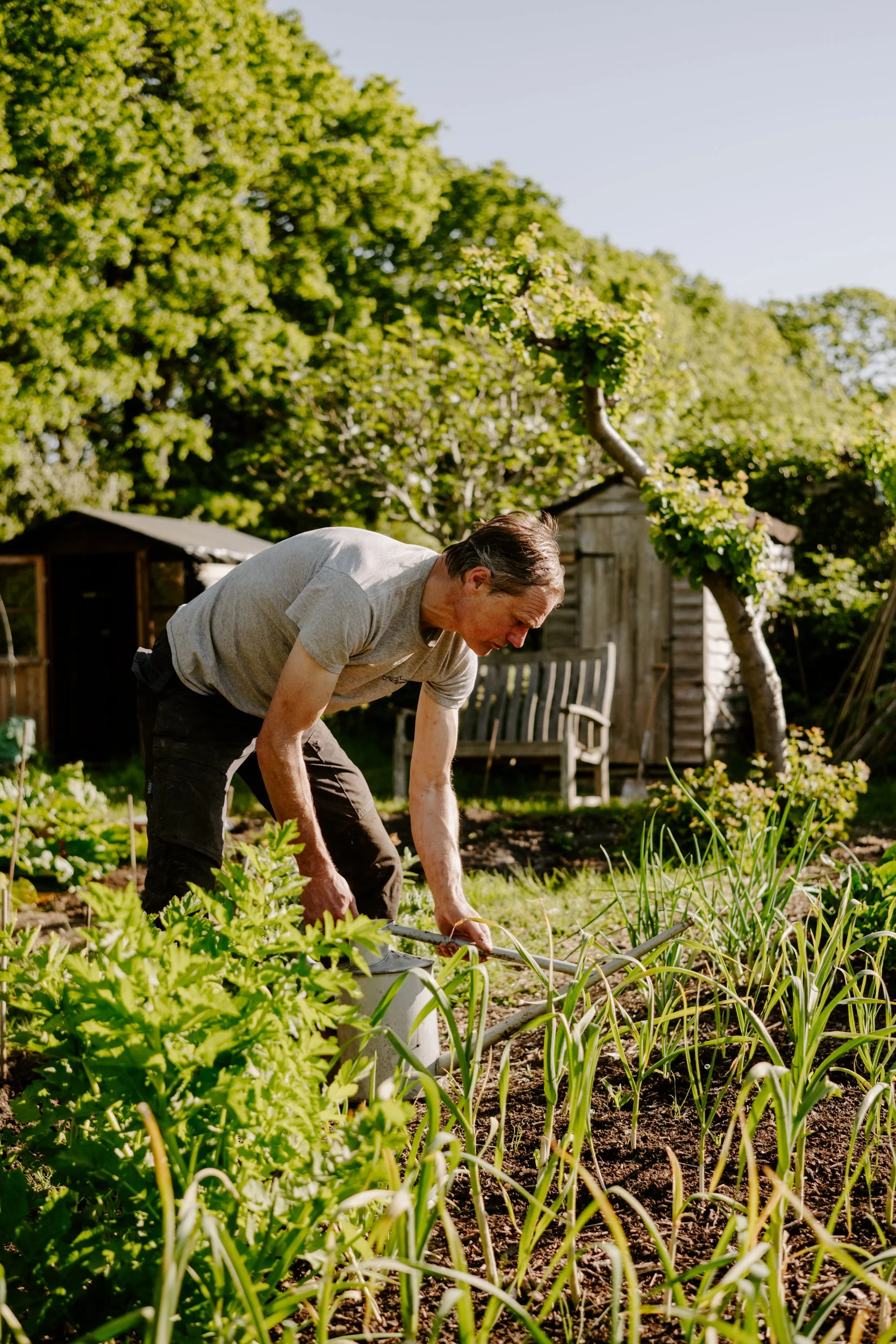
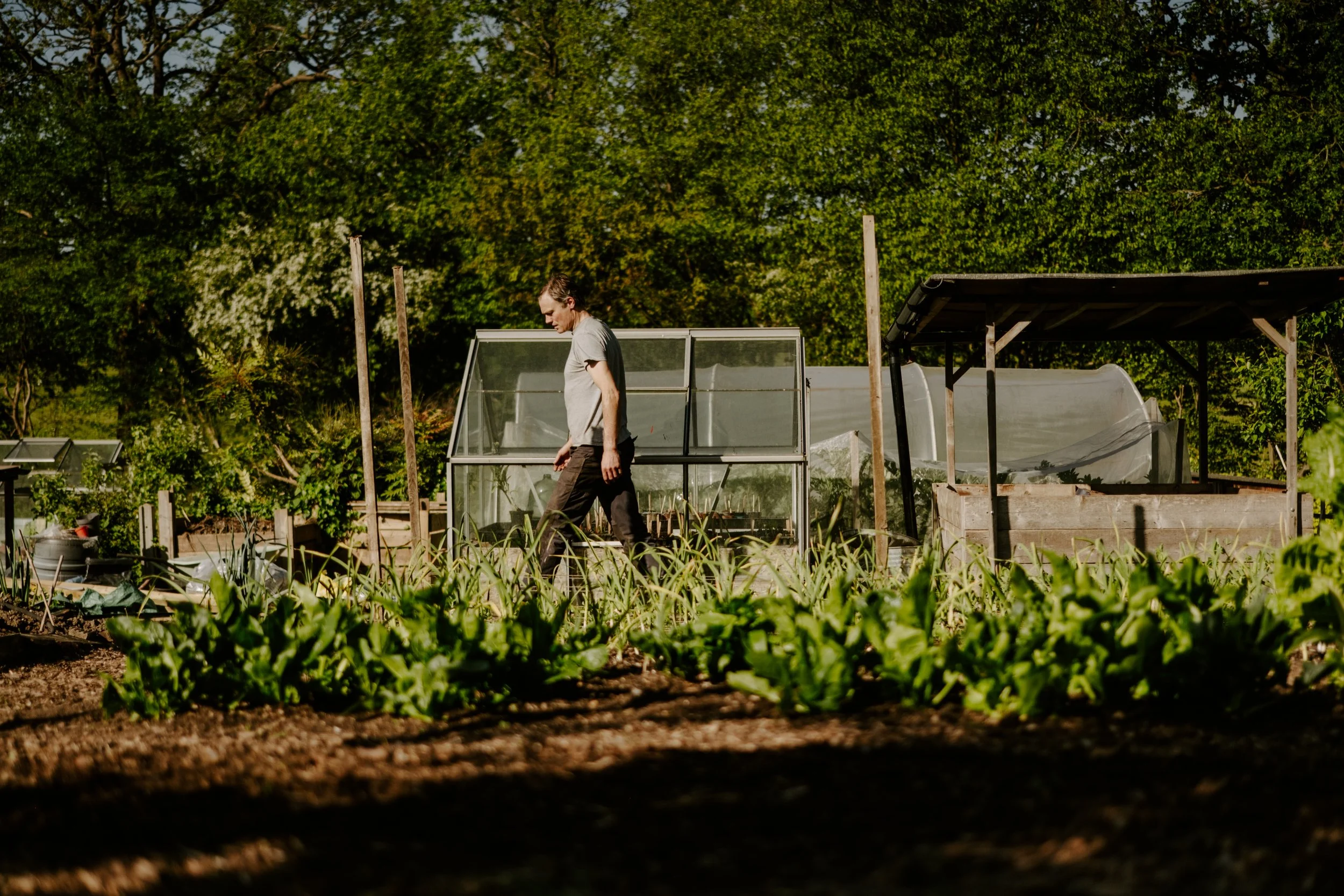
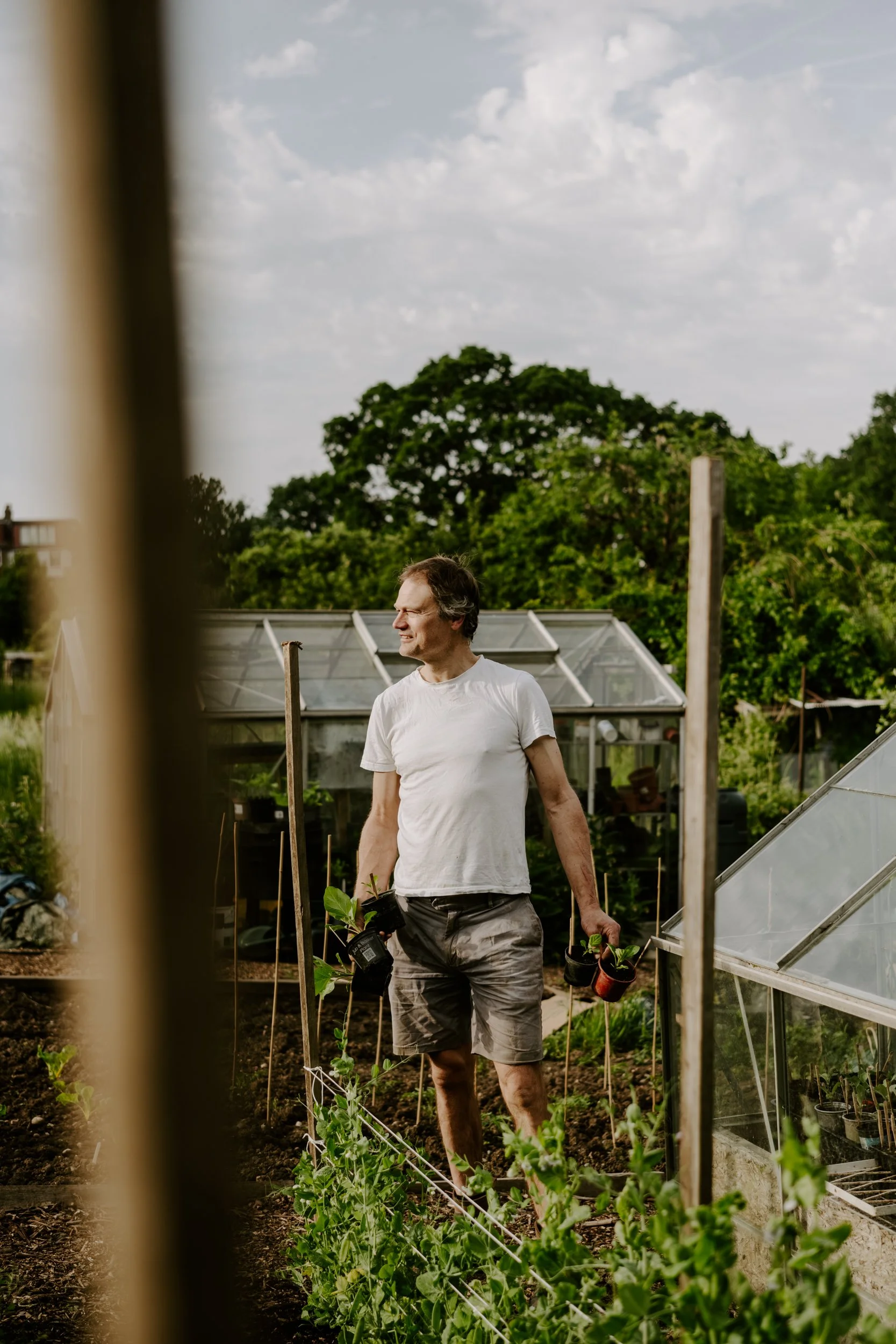
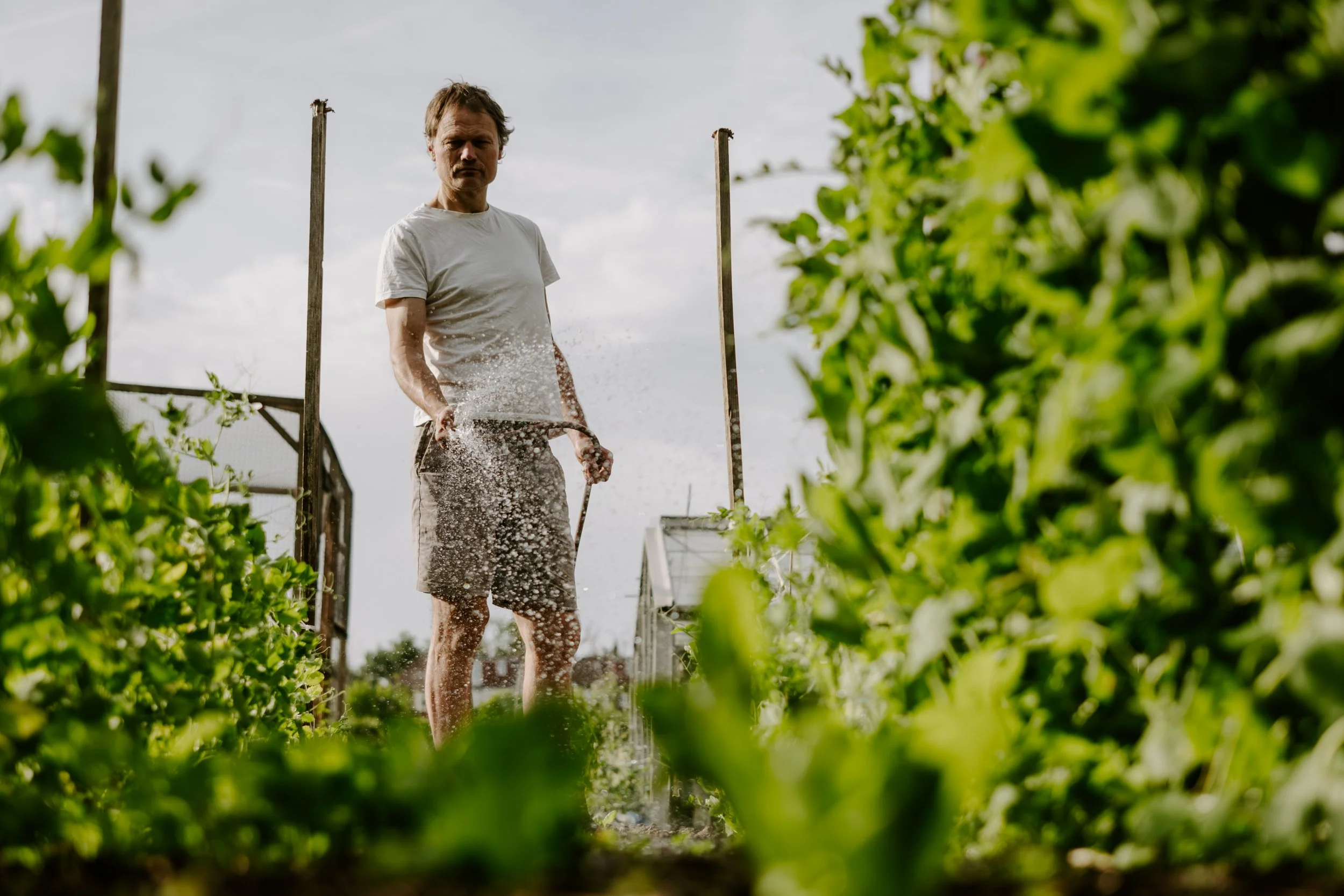
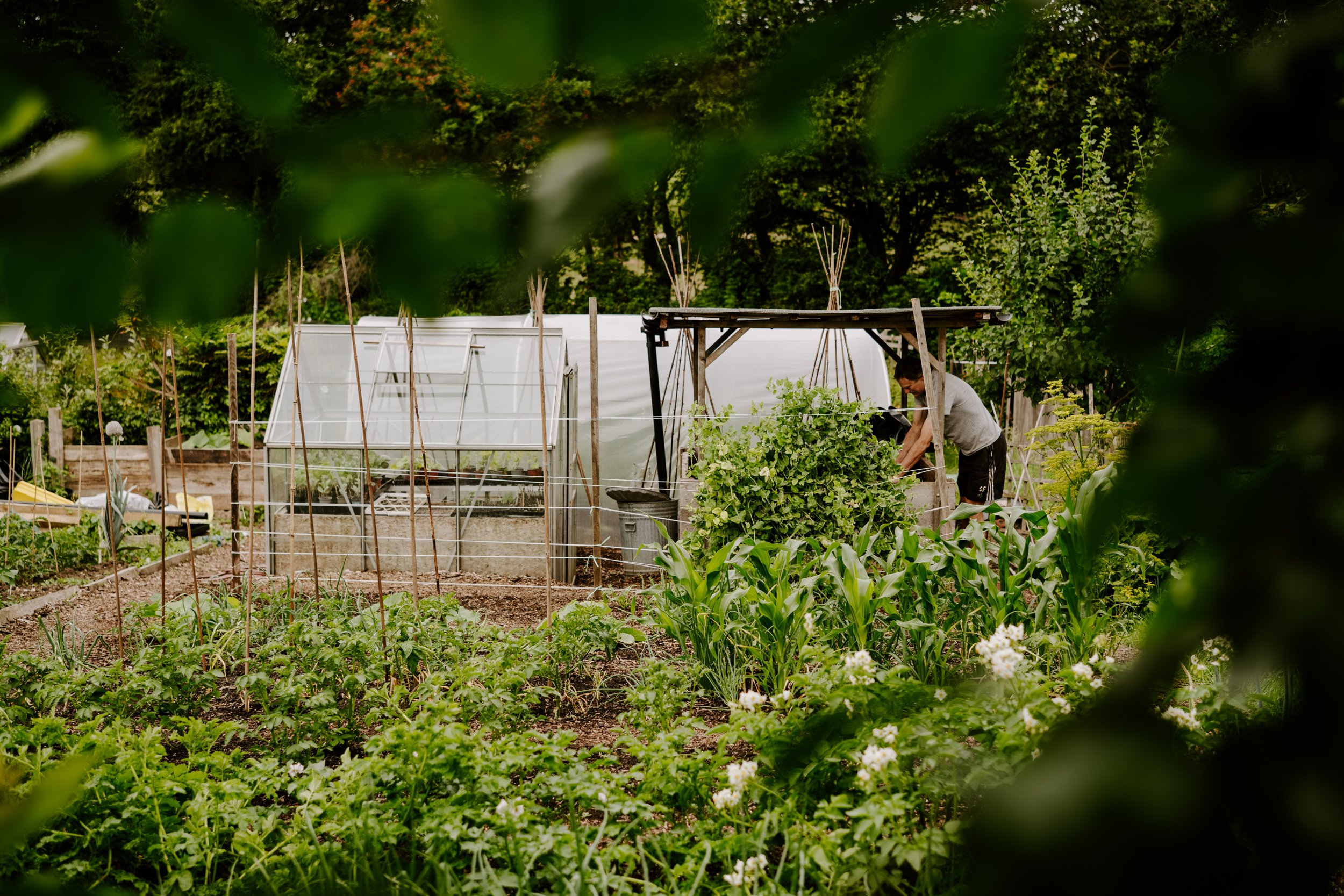
We stand at the edge of the plot, boots sinking slightly into damp ground, as the conversation naturally glides towards the why. Why an allotment. Why this space. Why now.
He grew up hearing about his grandfather. A vicar in Leicestershire. The old vicarage - Church Langton. A beautiful old house with an orchard behind it. Wide lawns. Growing space.
His mum would tell stories about it all the time. About her father, the garden, the fruit trees. “I want that,” he used to say. “I want that. Said like a little kid”
And now here we are. Years later.
Same urge. Different soil.
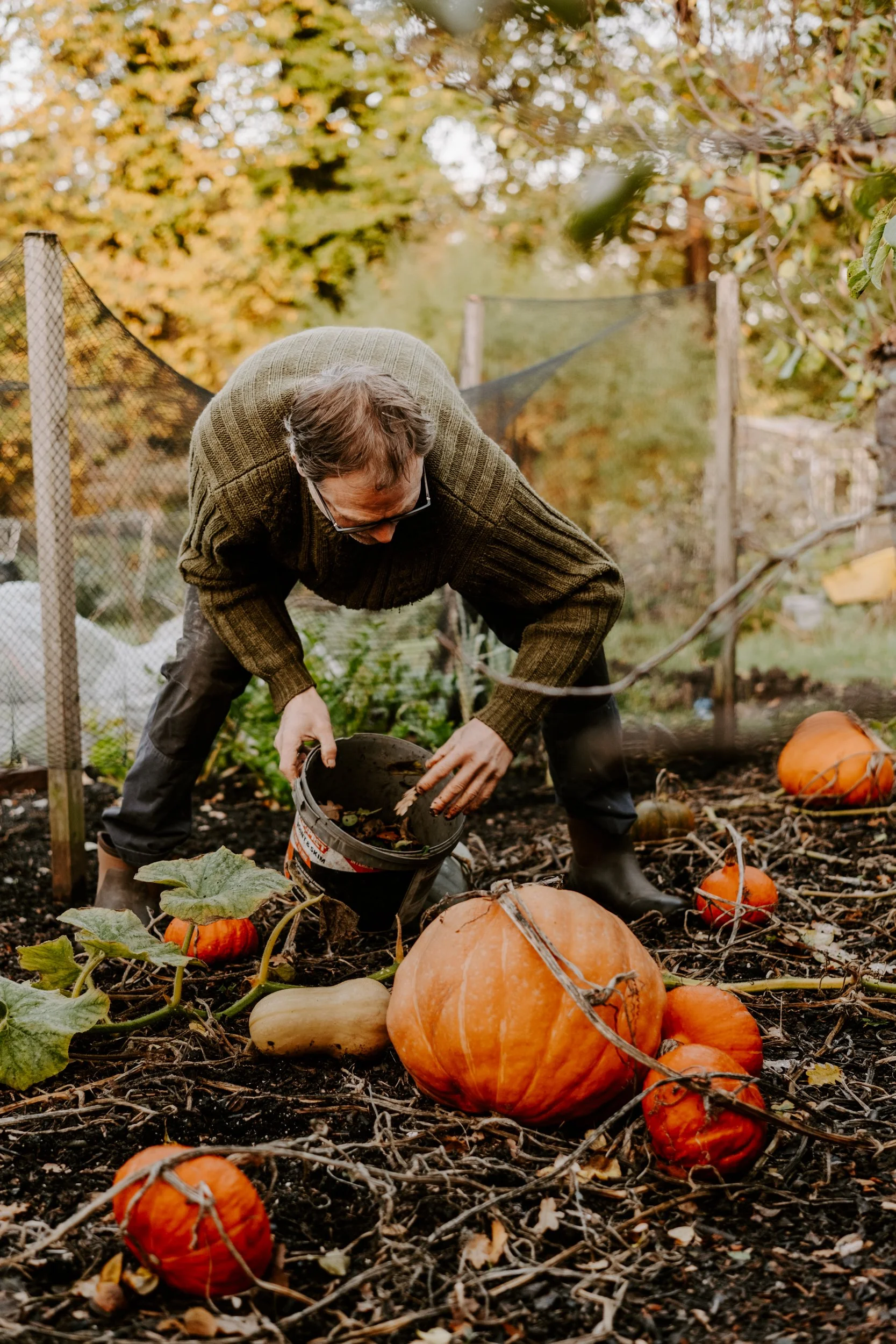


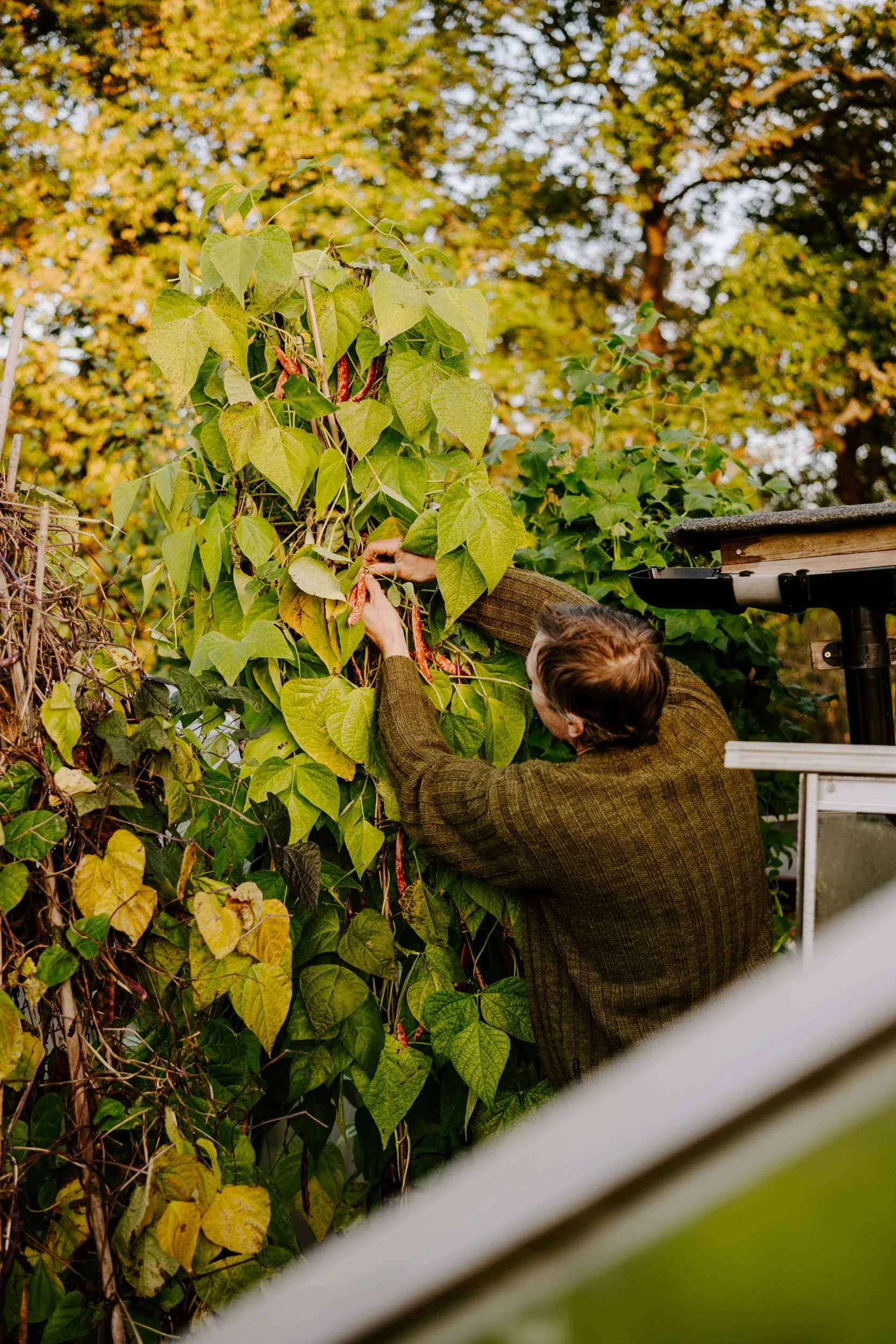


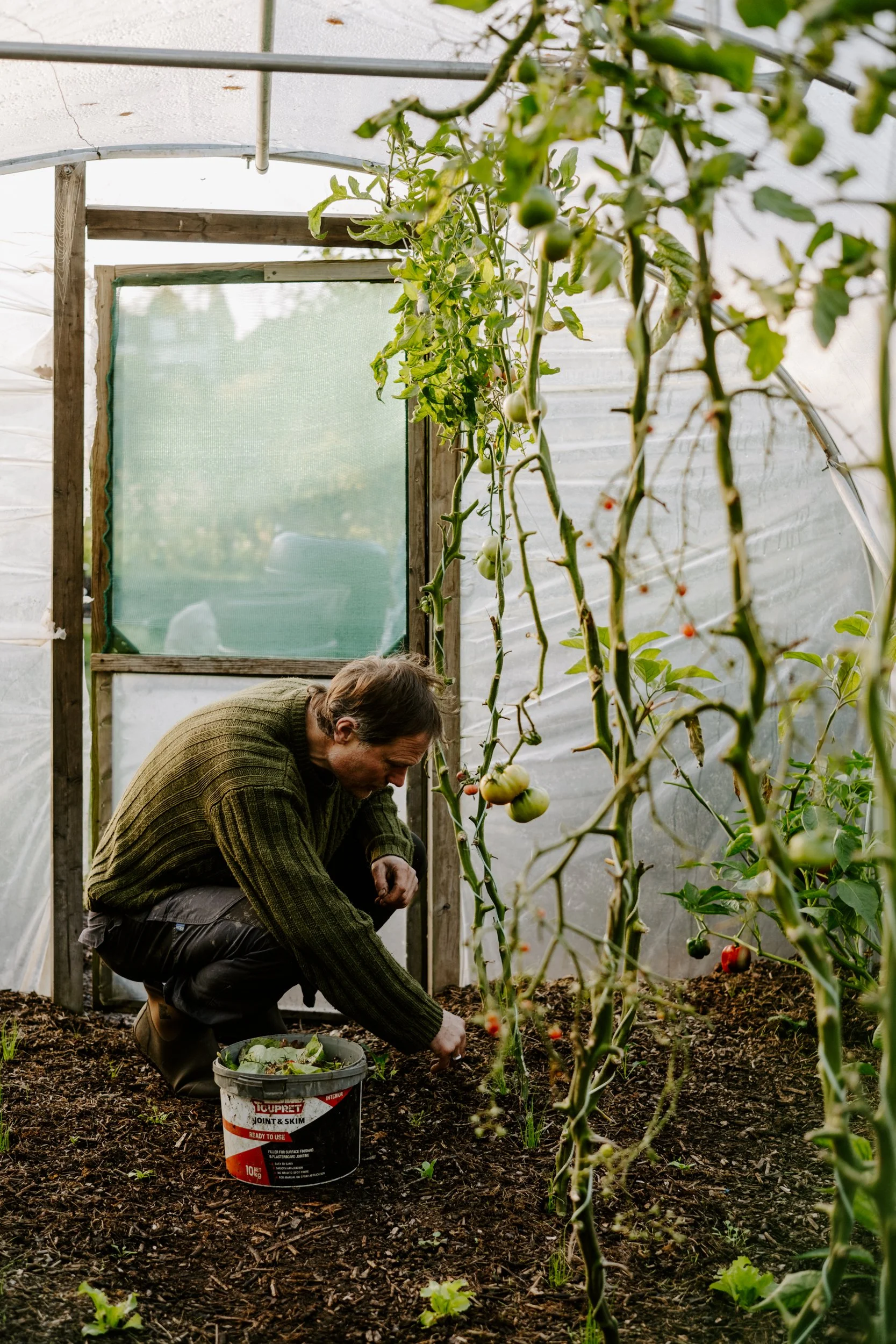
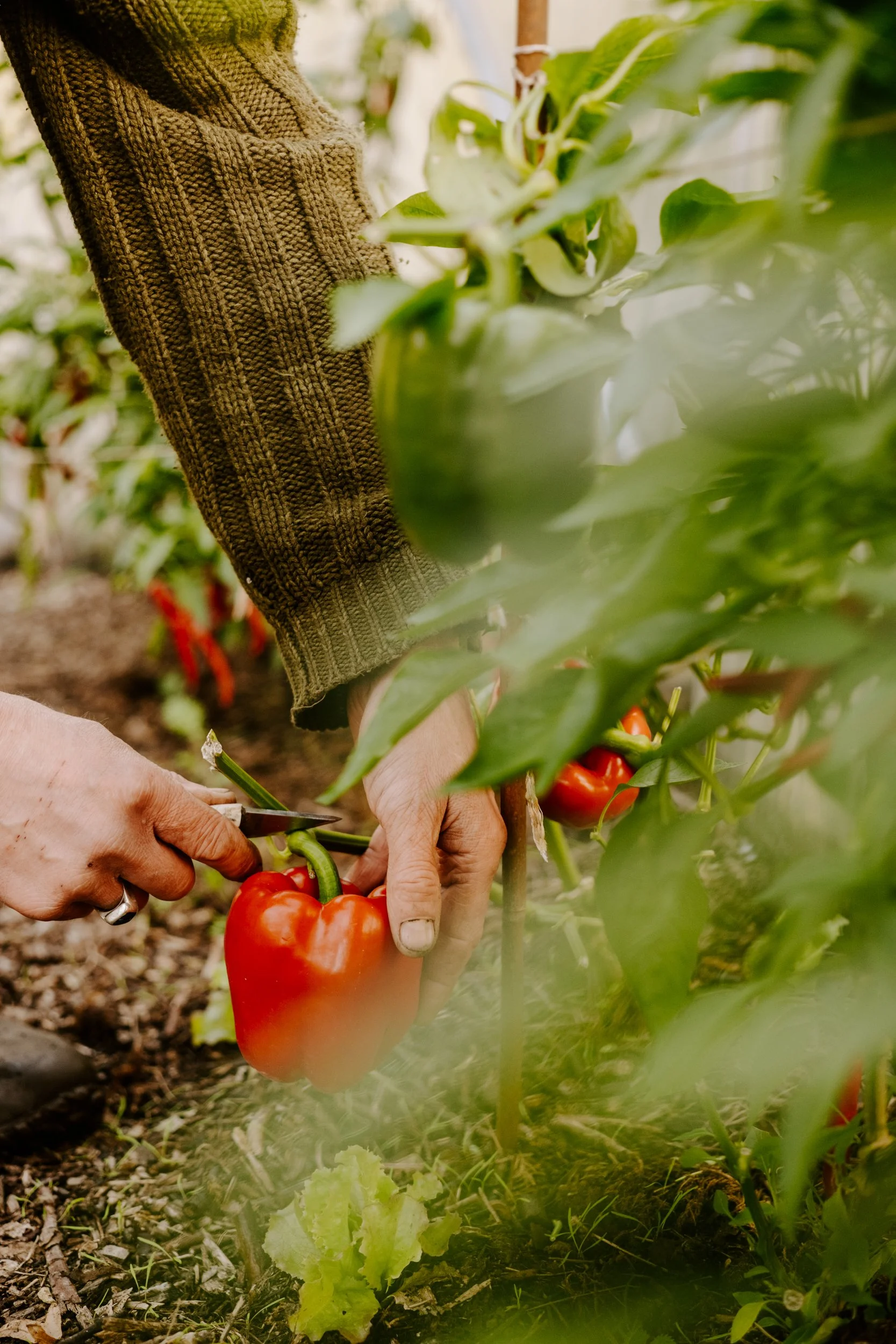
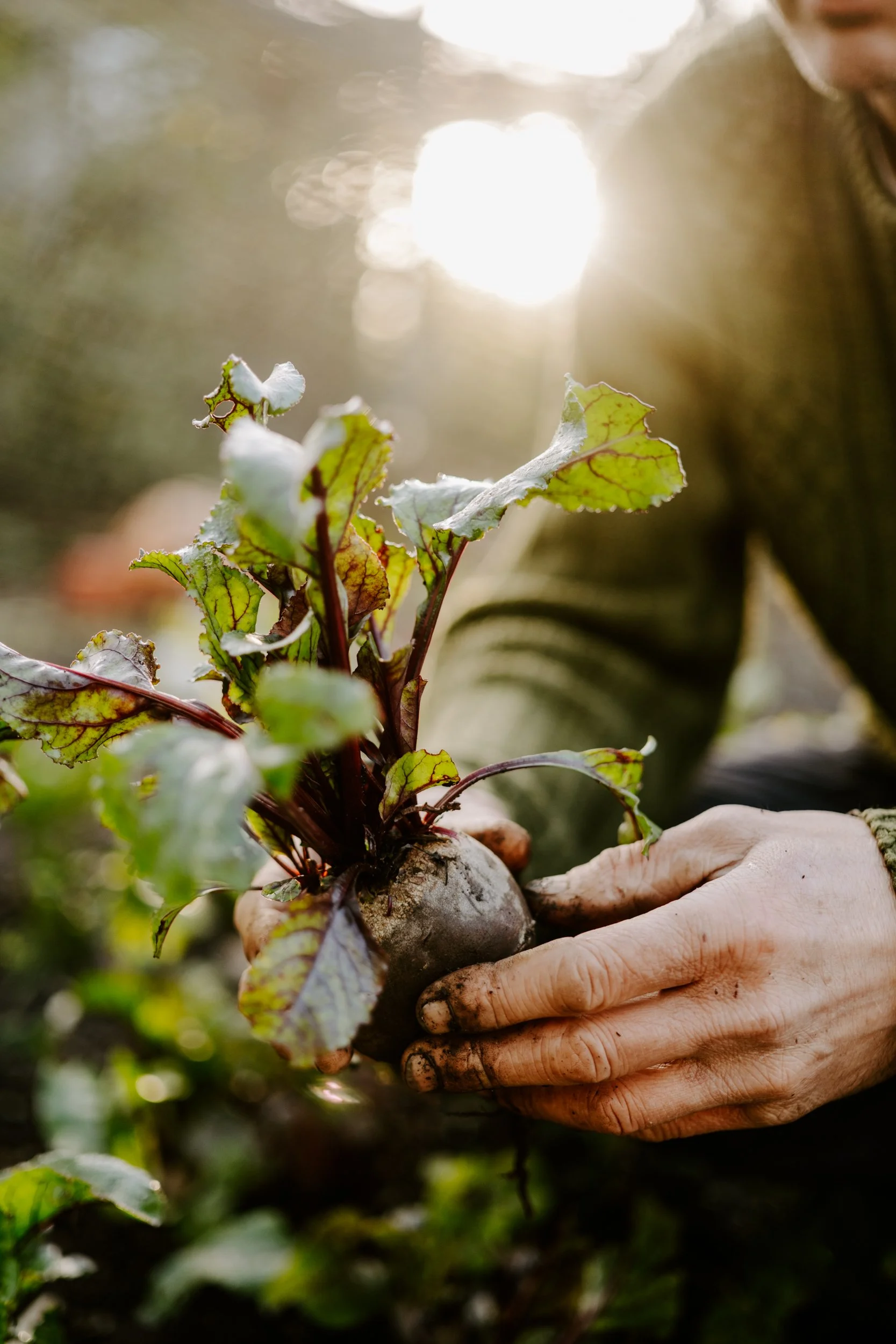
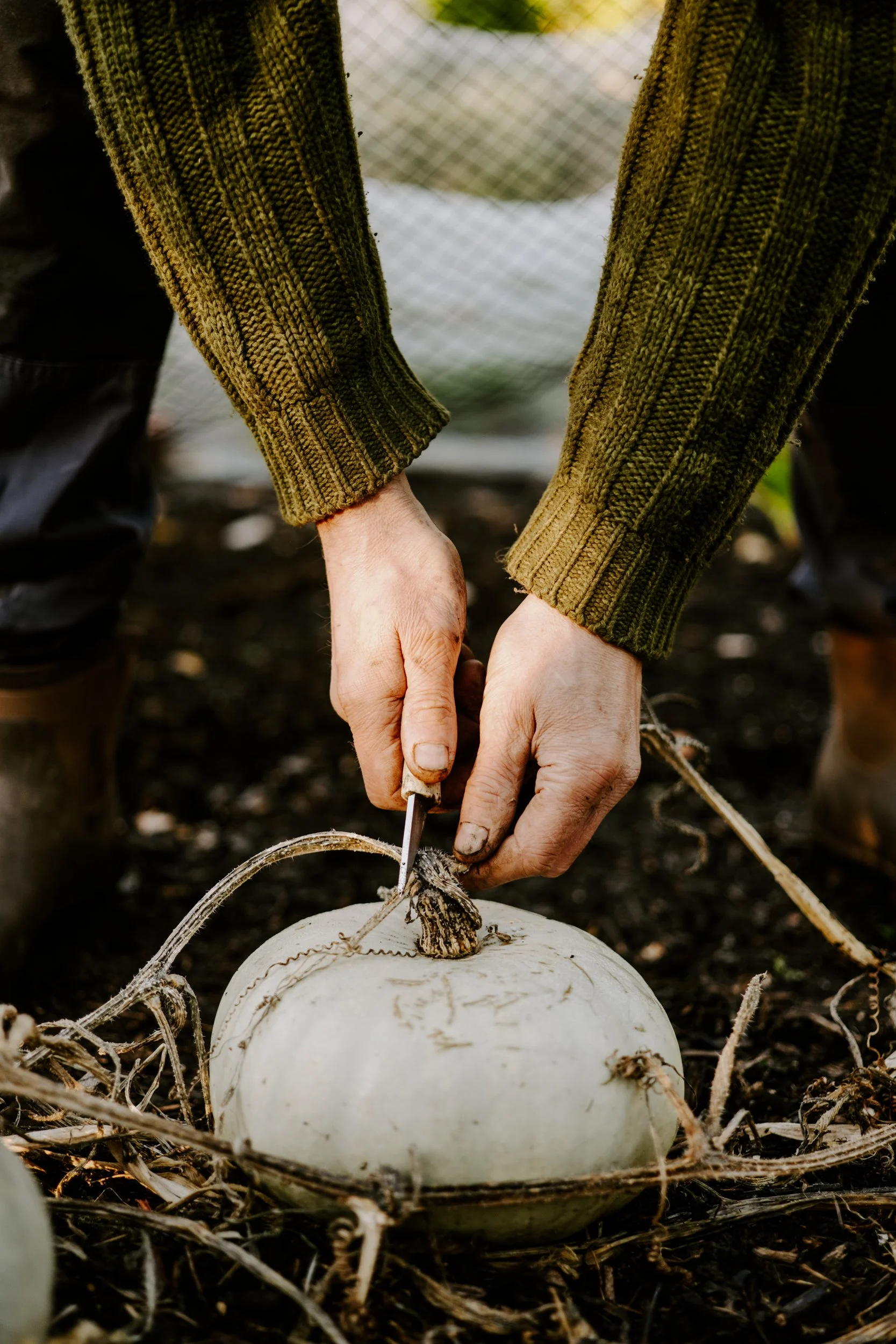
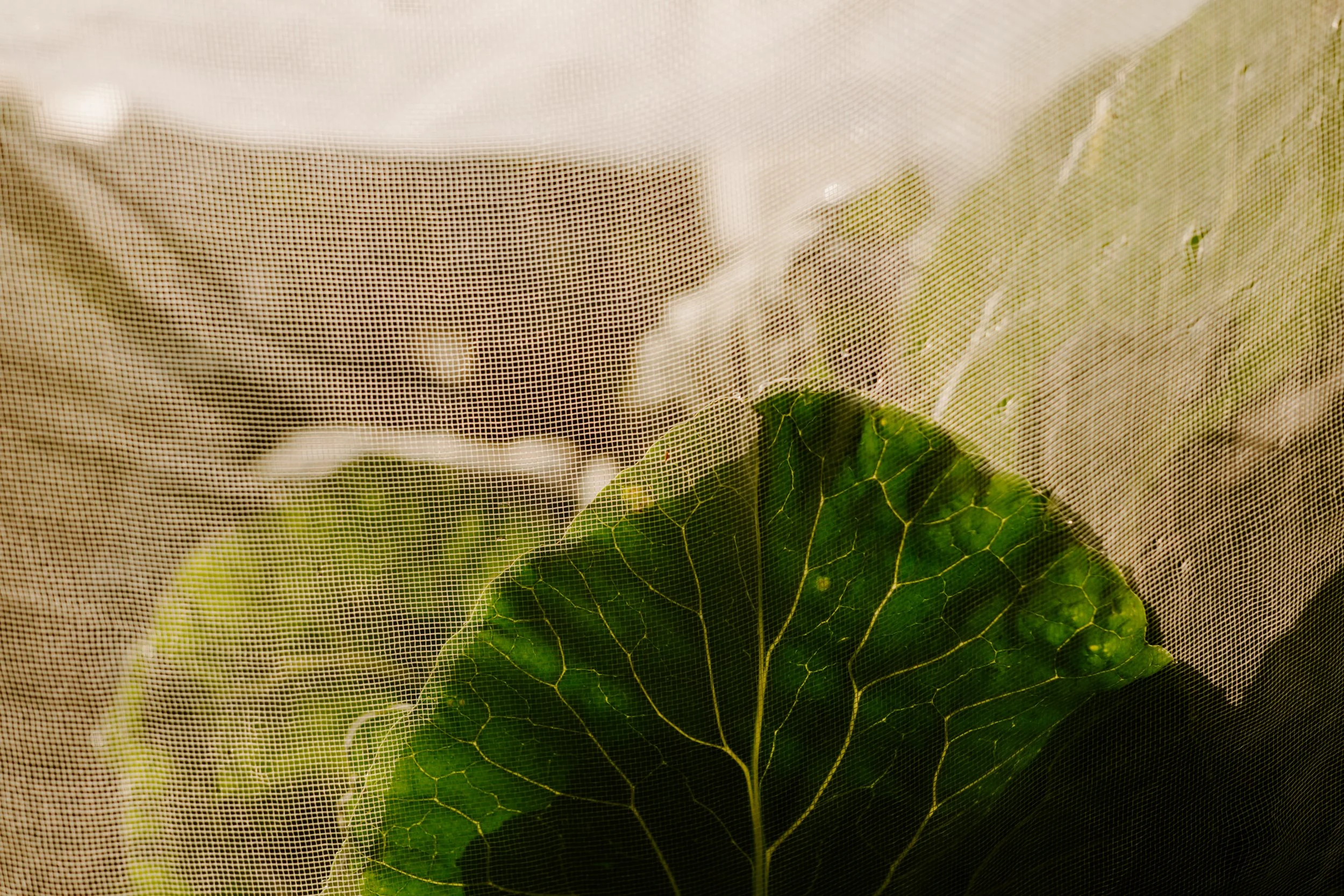
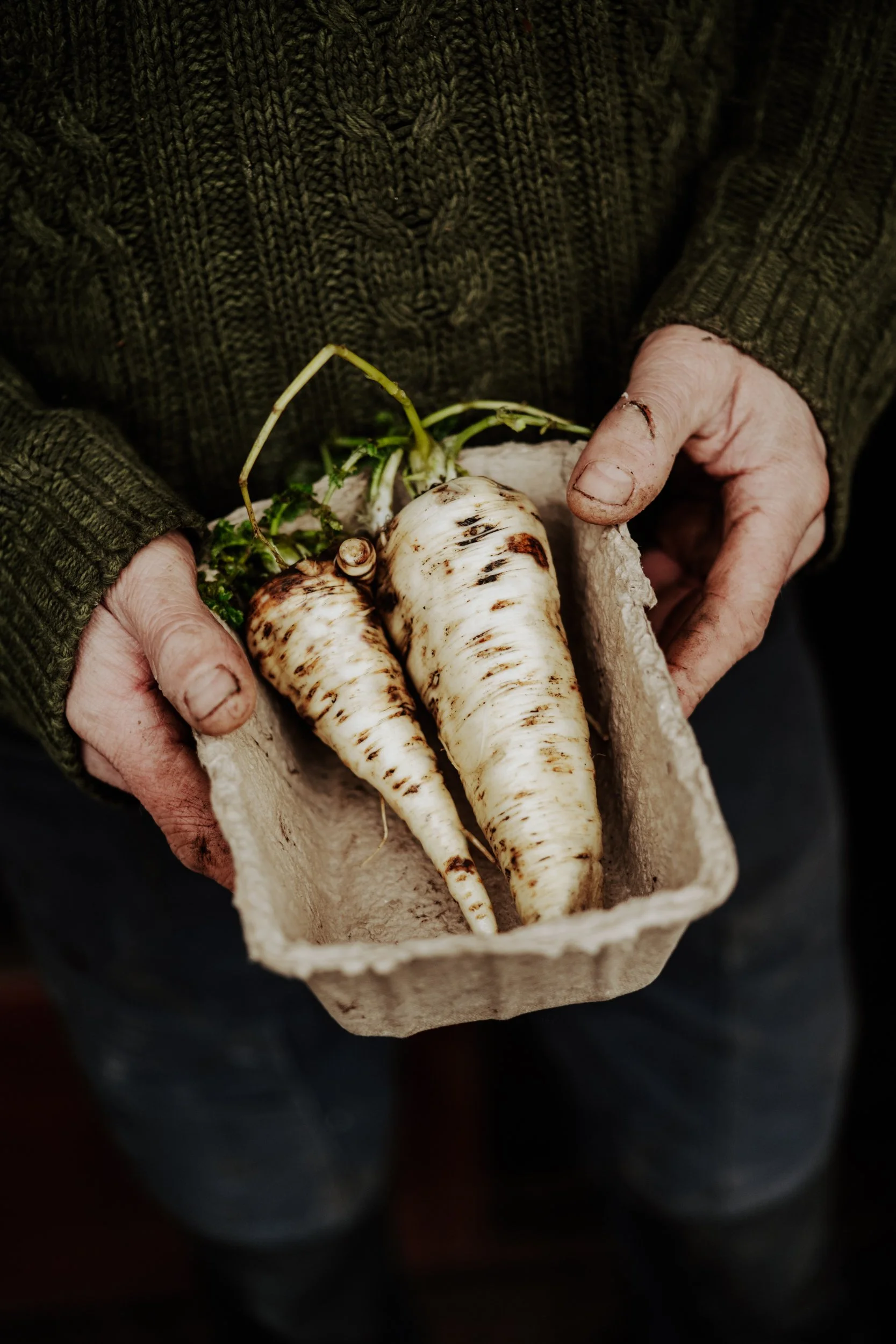
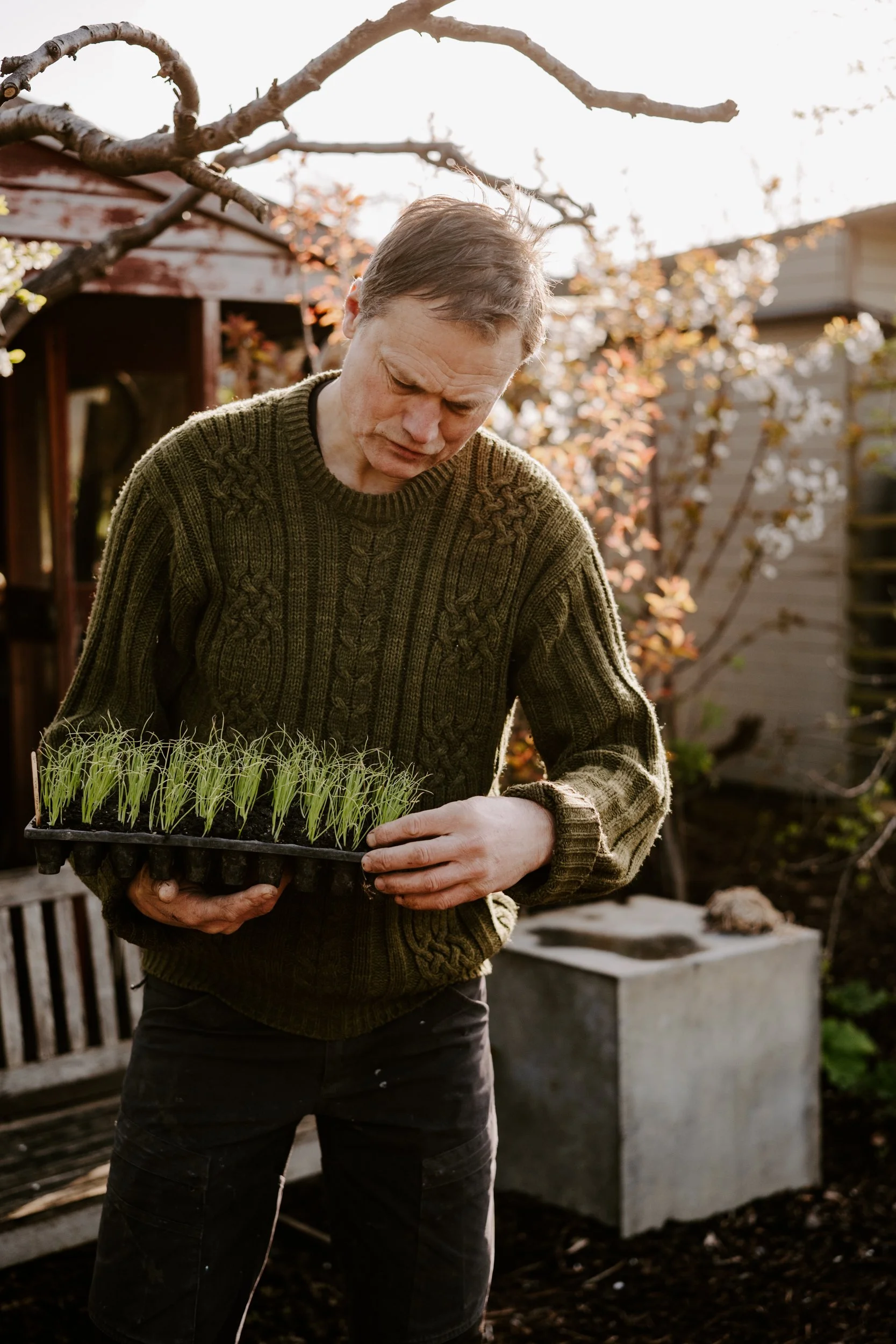
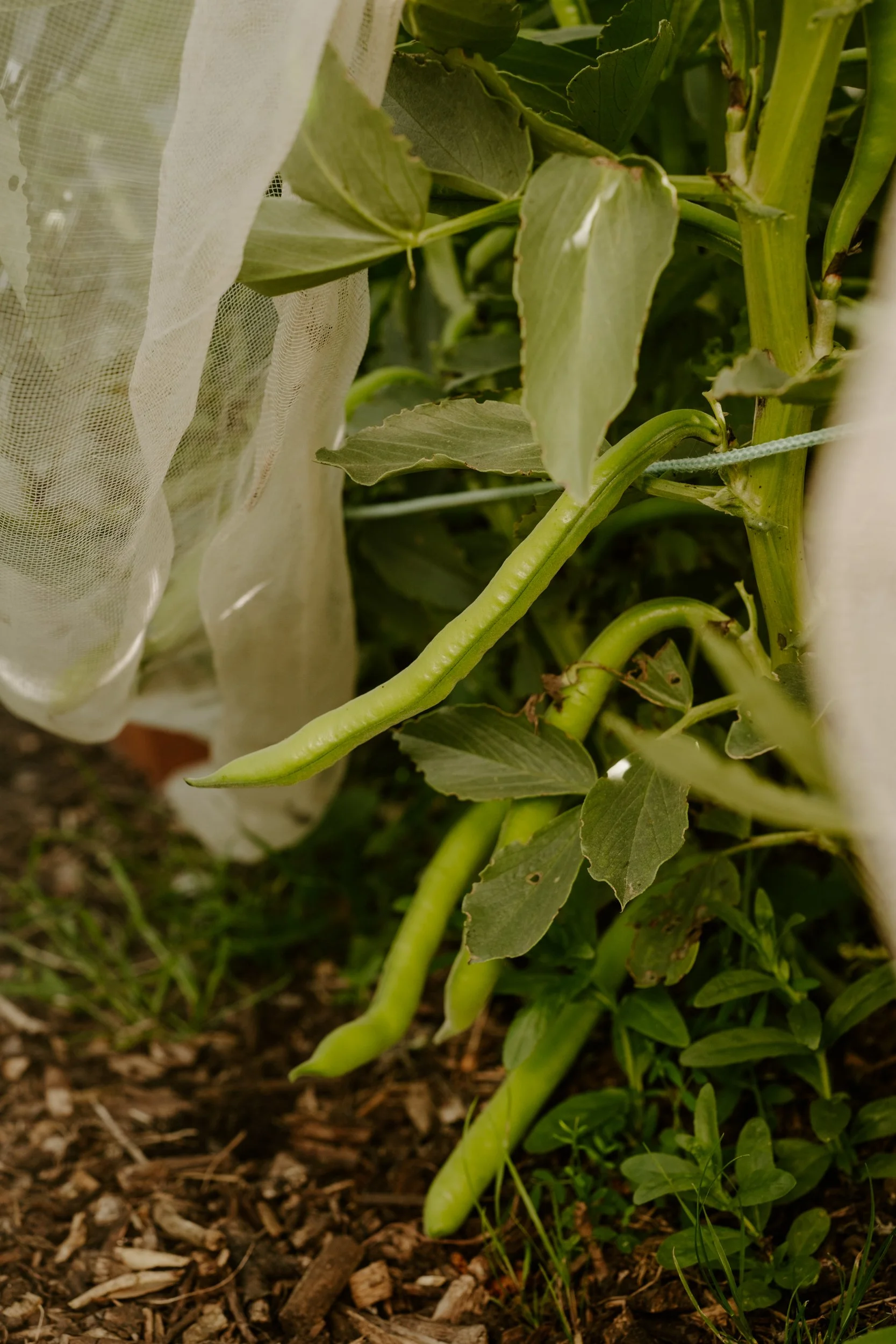
He’s always cared about food - real food, clean food. The kind you follow from seed to plate. So when they moved here, and there was space behind the house, the decision was easy. Apply for an allotment. Start.
He tells me he’d had one before, before Chloe was born. Had to give it up then. Life moved on. But now he’s back. Close to home. The timing right again.
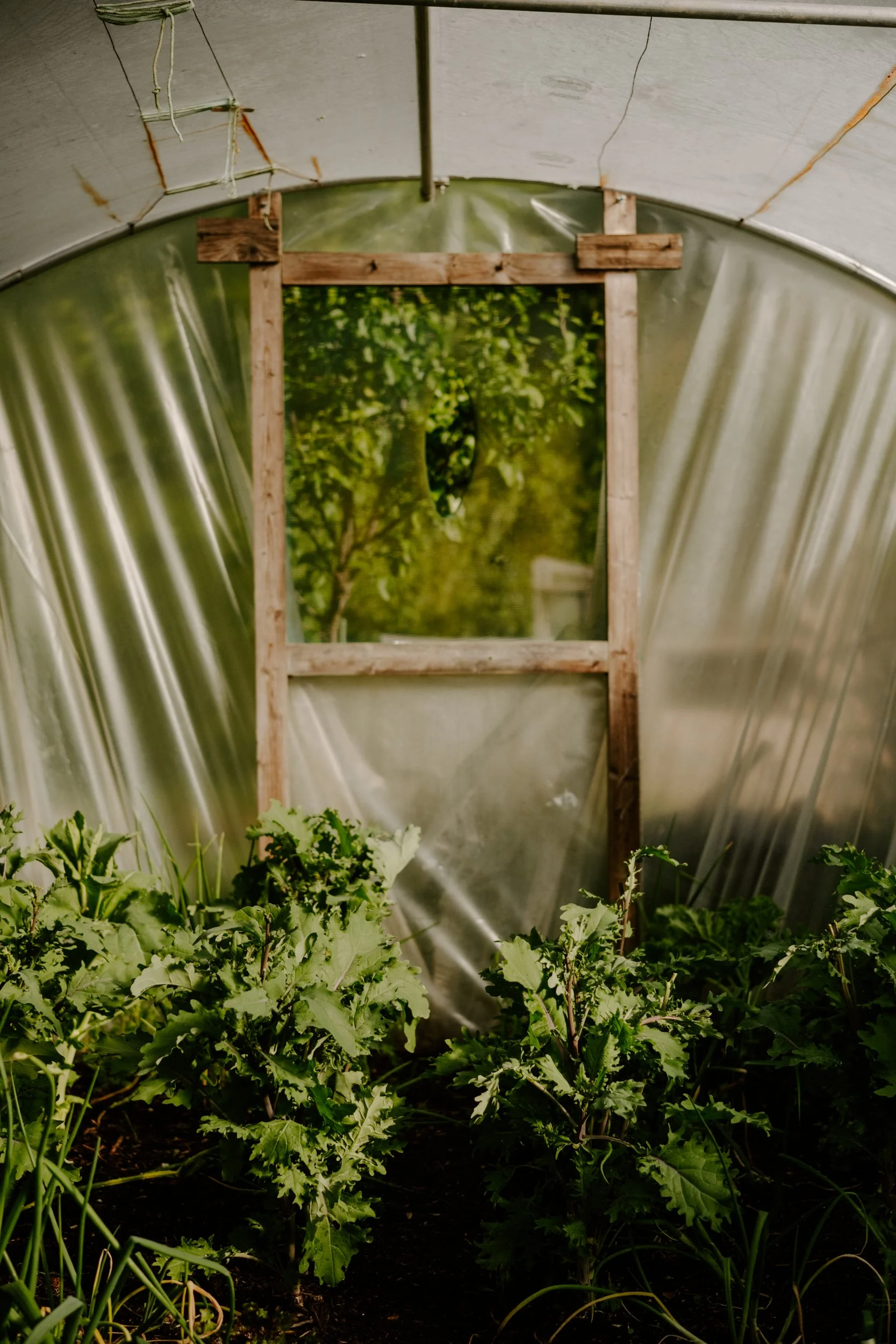
And now here, on this plot, memory and desire merge. The allotment becomes more than soil and compost. It’s a way to live deliberately. To slow down. To witness growth, decay, and renewal - all in one small, crowded, perfect space.
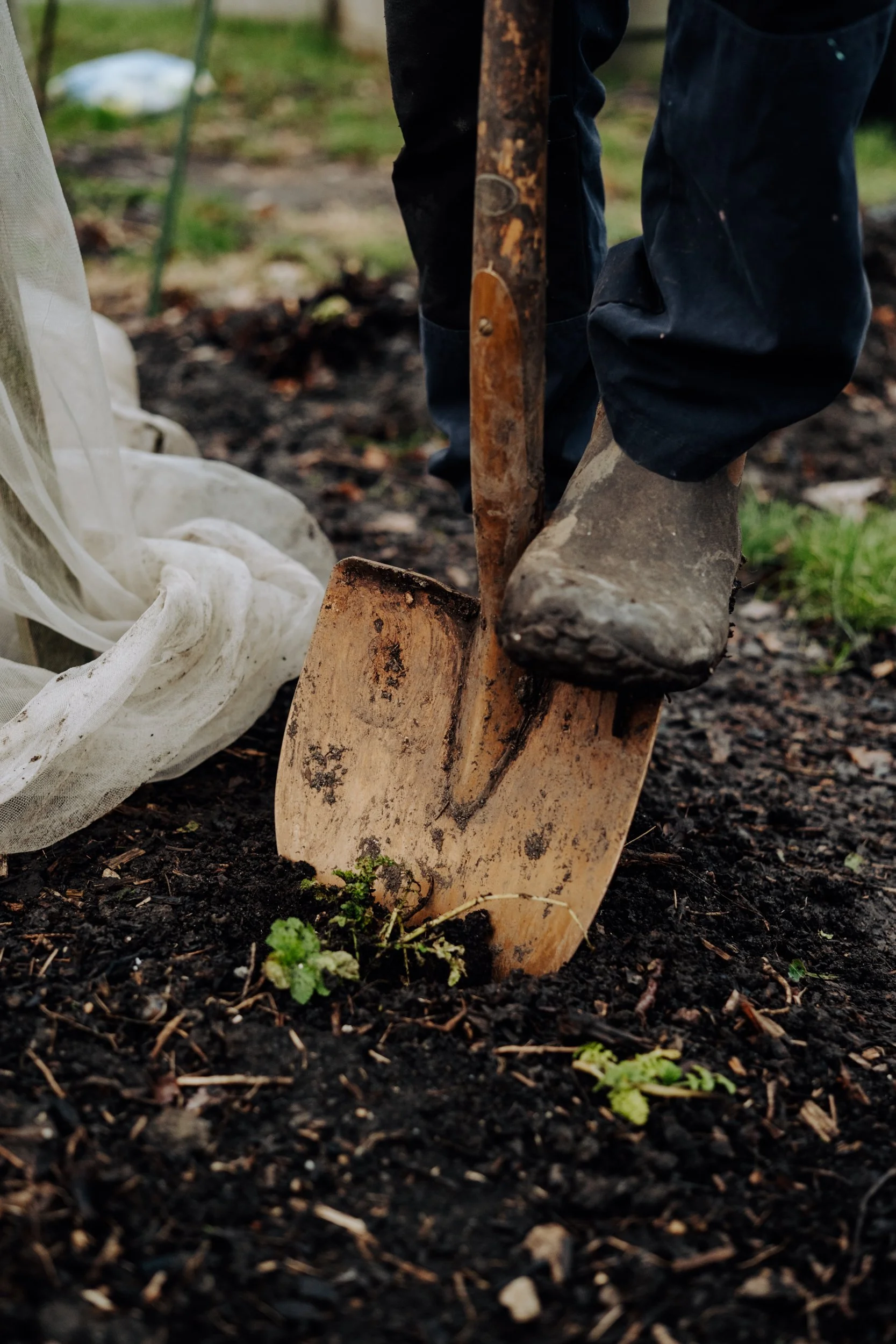
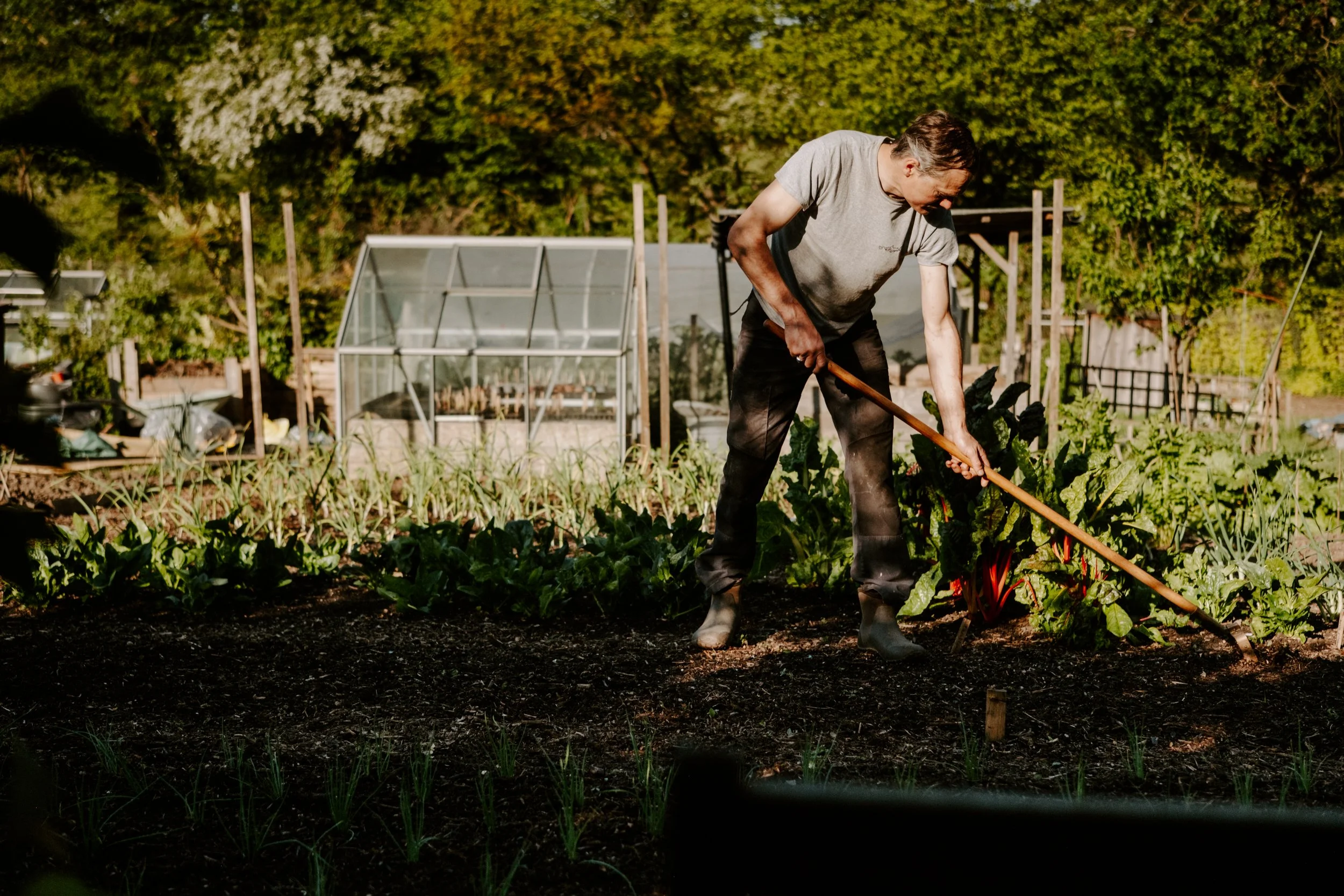
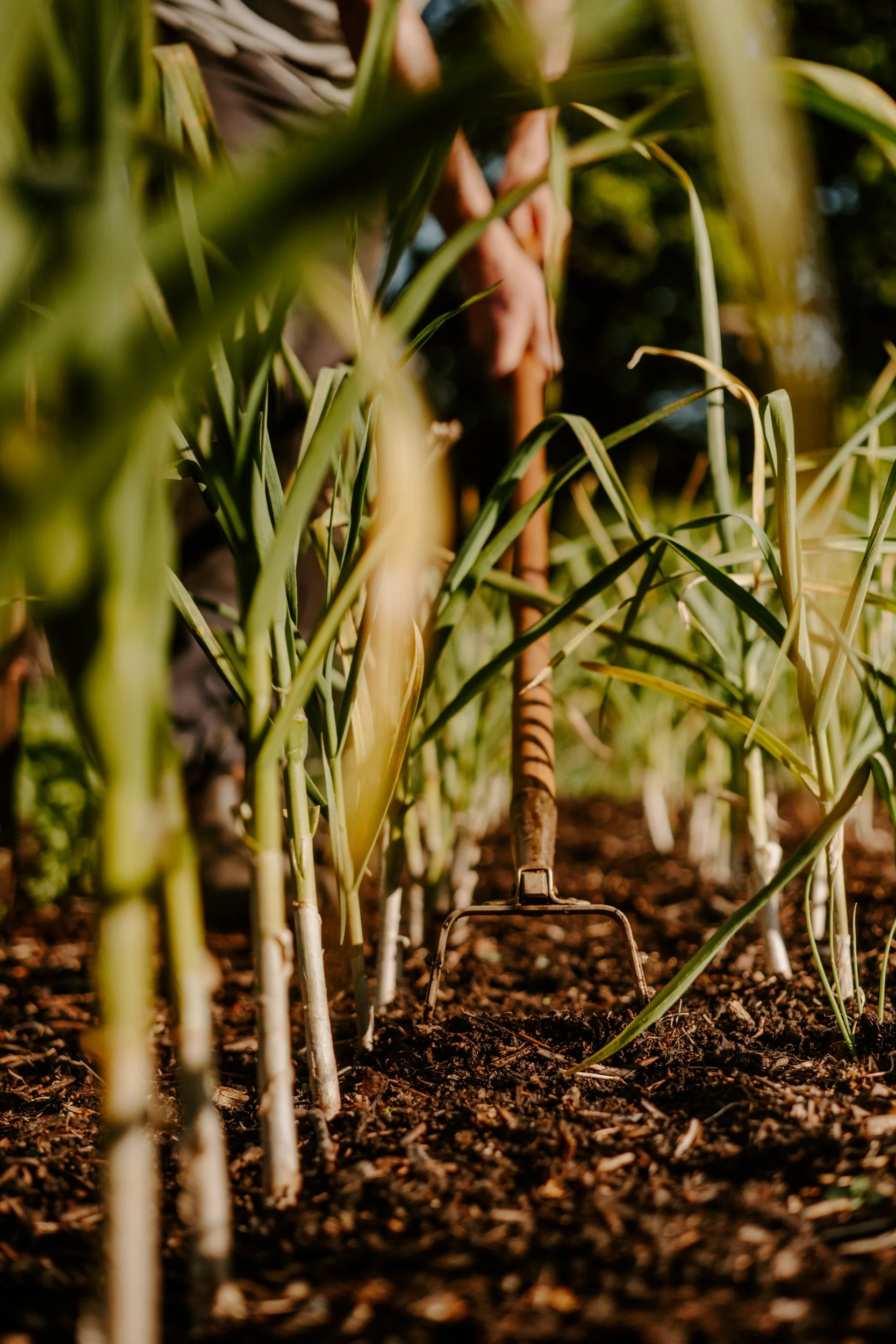
He follows the no-dig method - Charles Dowding’s way. Has taken his courses, watched his videos, even worked with him. He’s immersed himself in the techniques, learned to understand the process.
Most of what Dowding teaches isn’t just clever - it actually makes things easier, quicker, more effective.
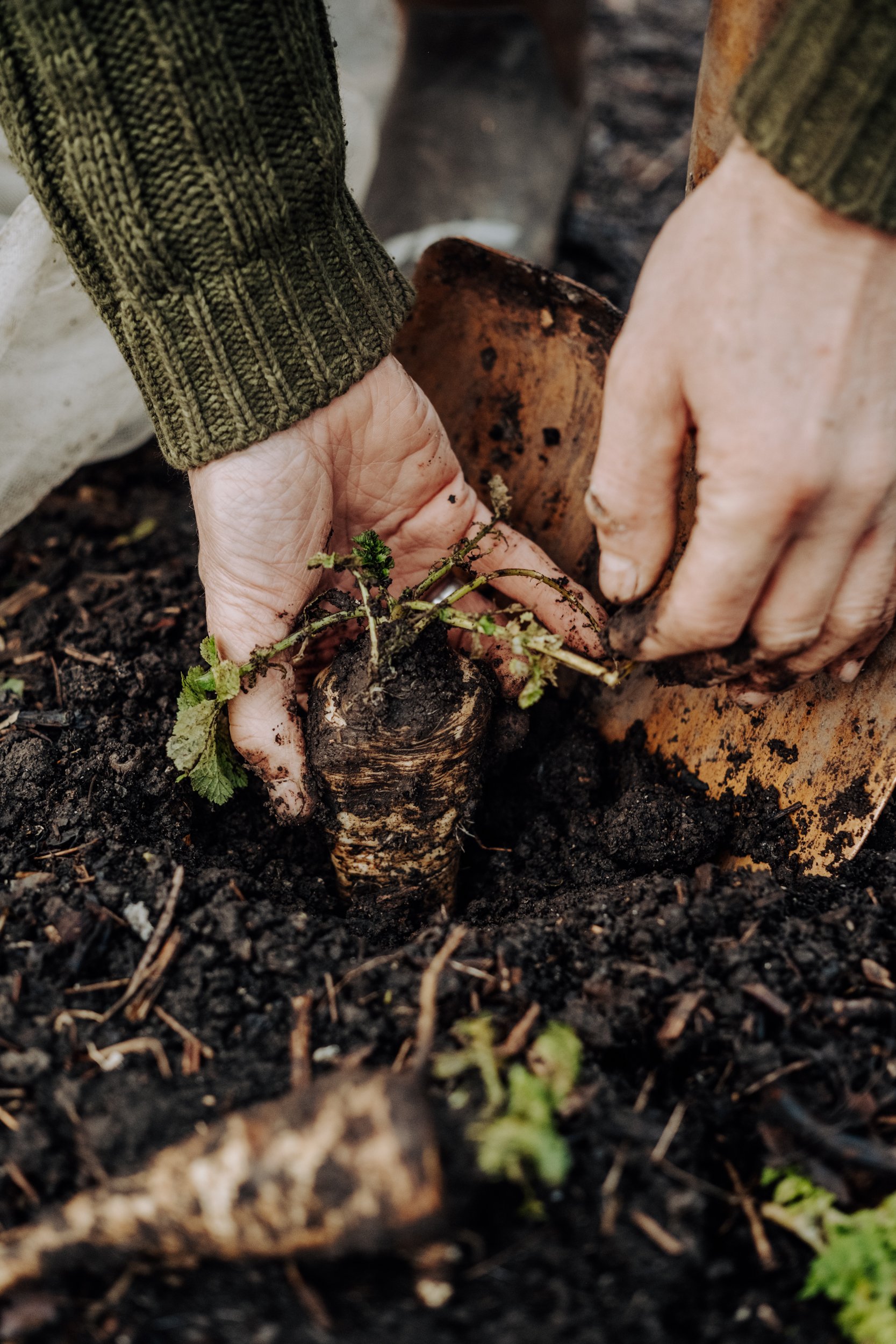
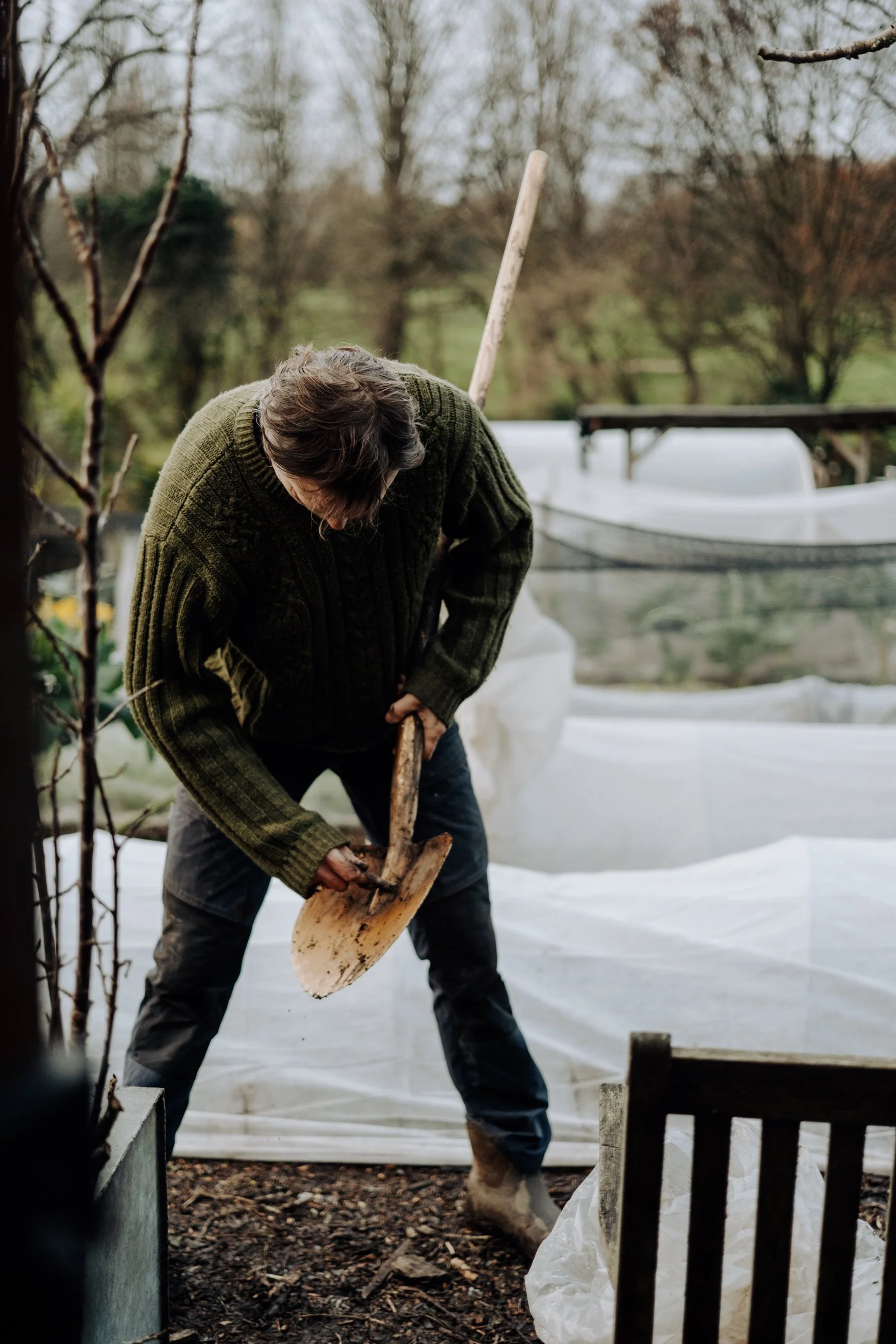
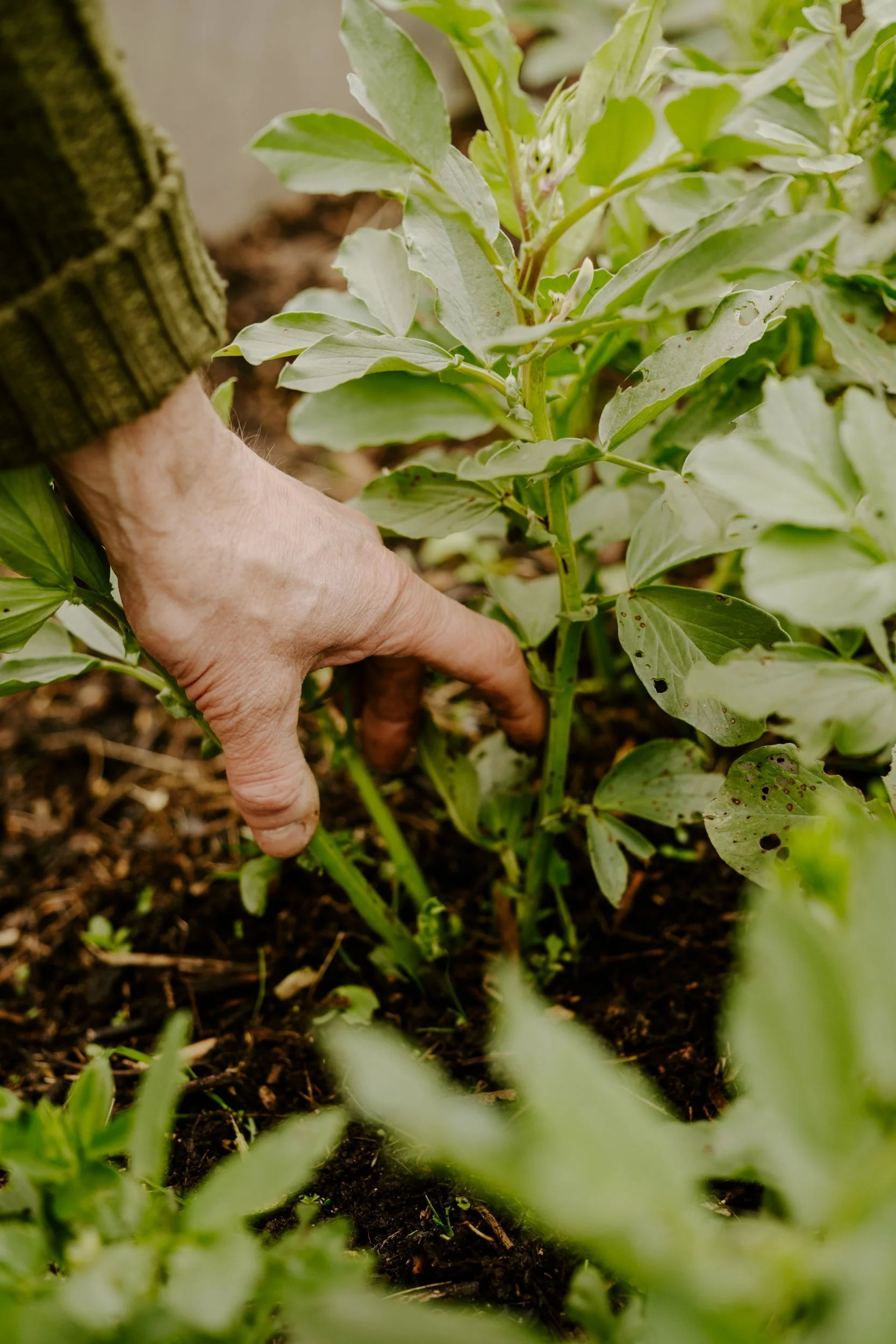
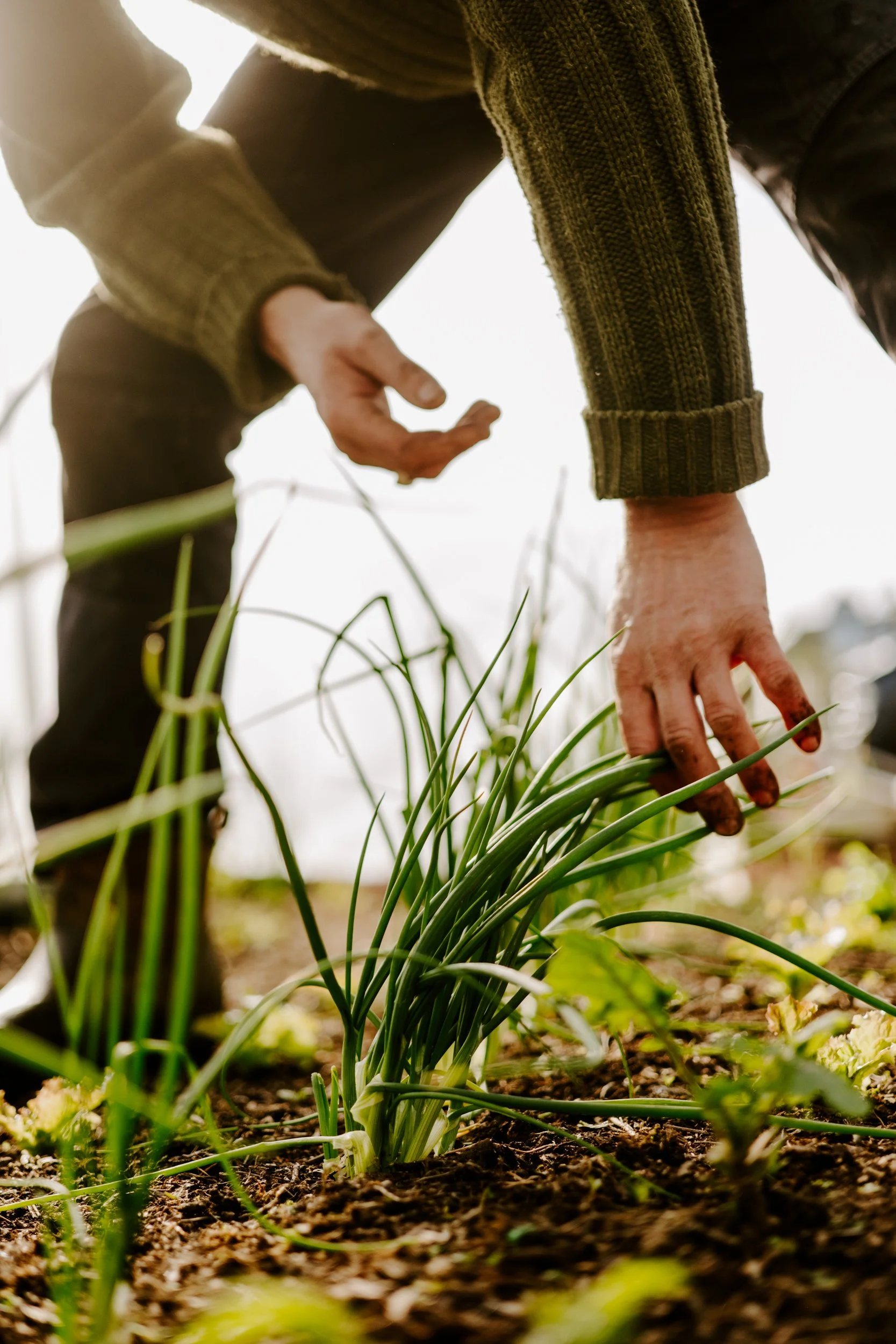
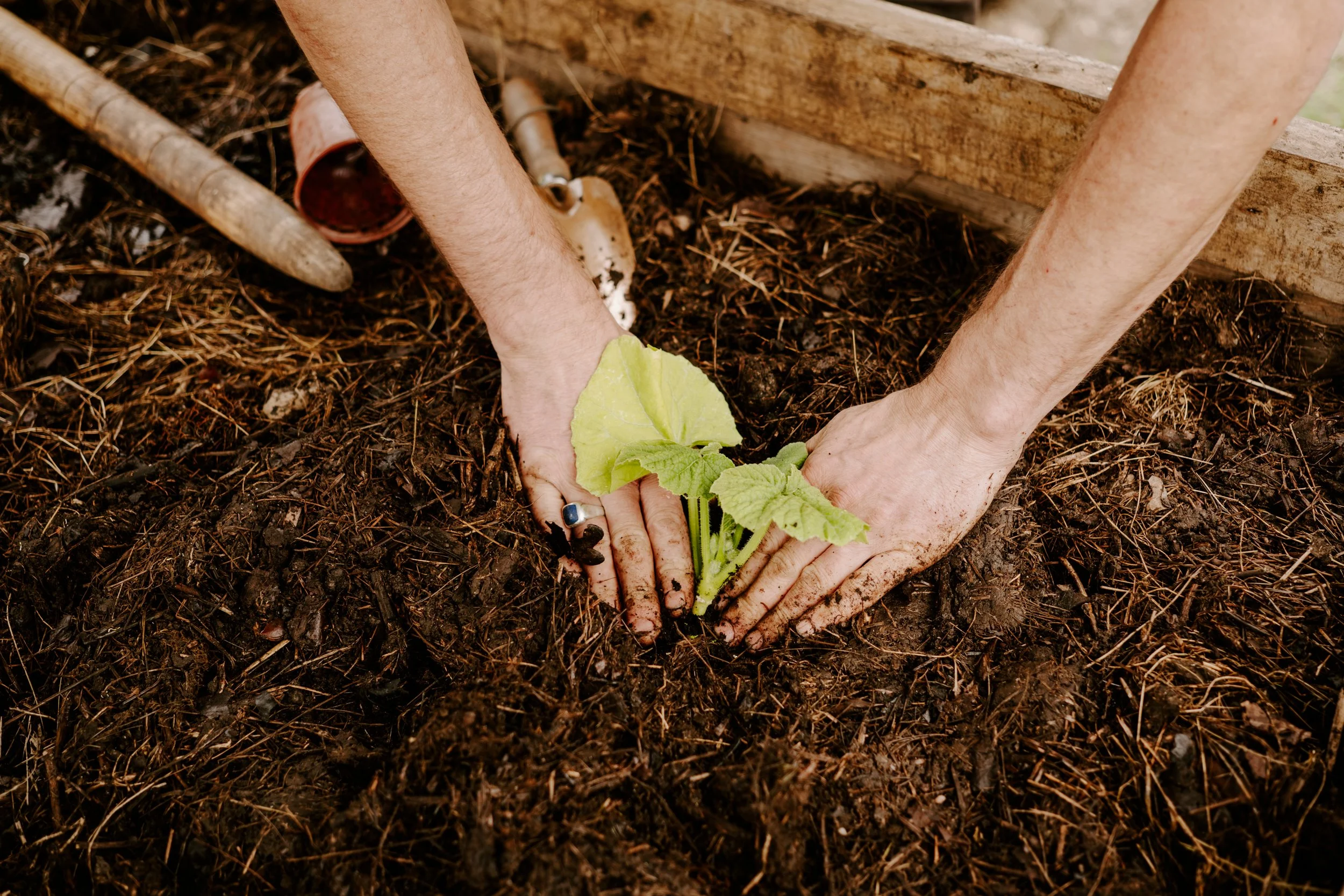
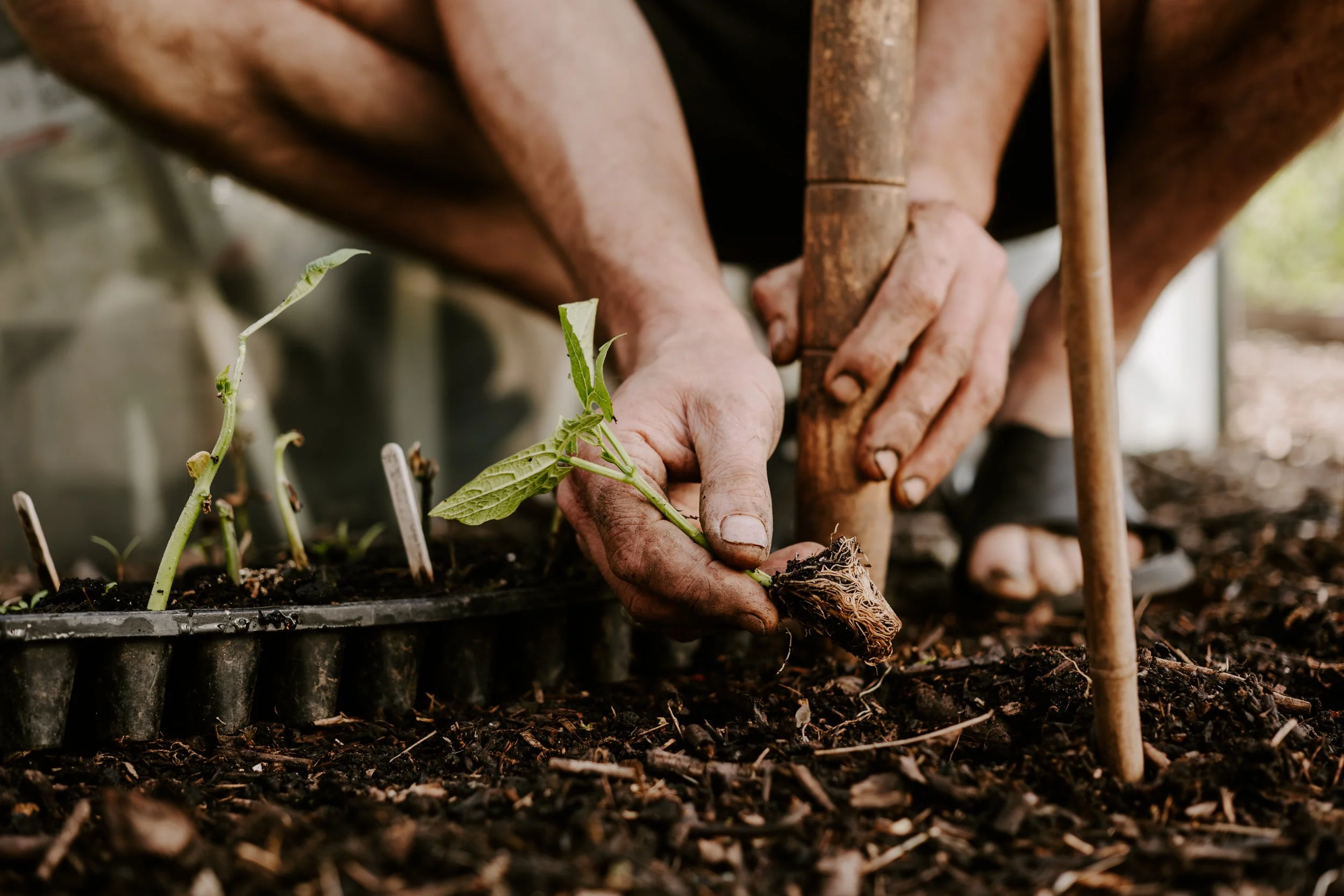
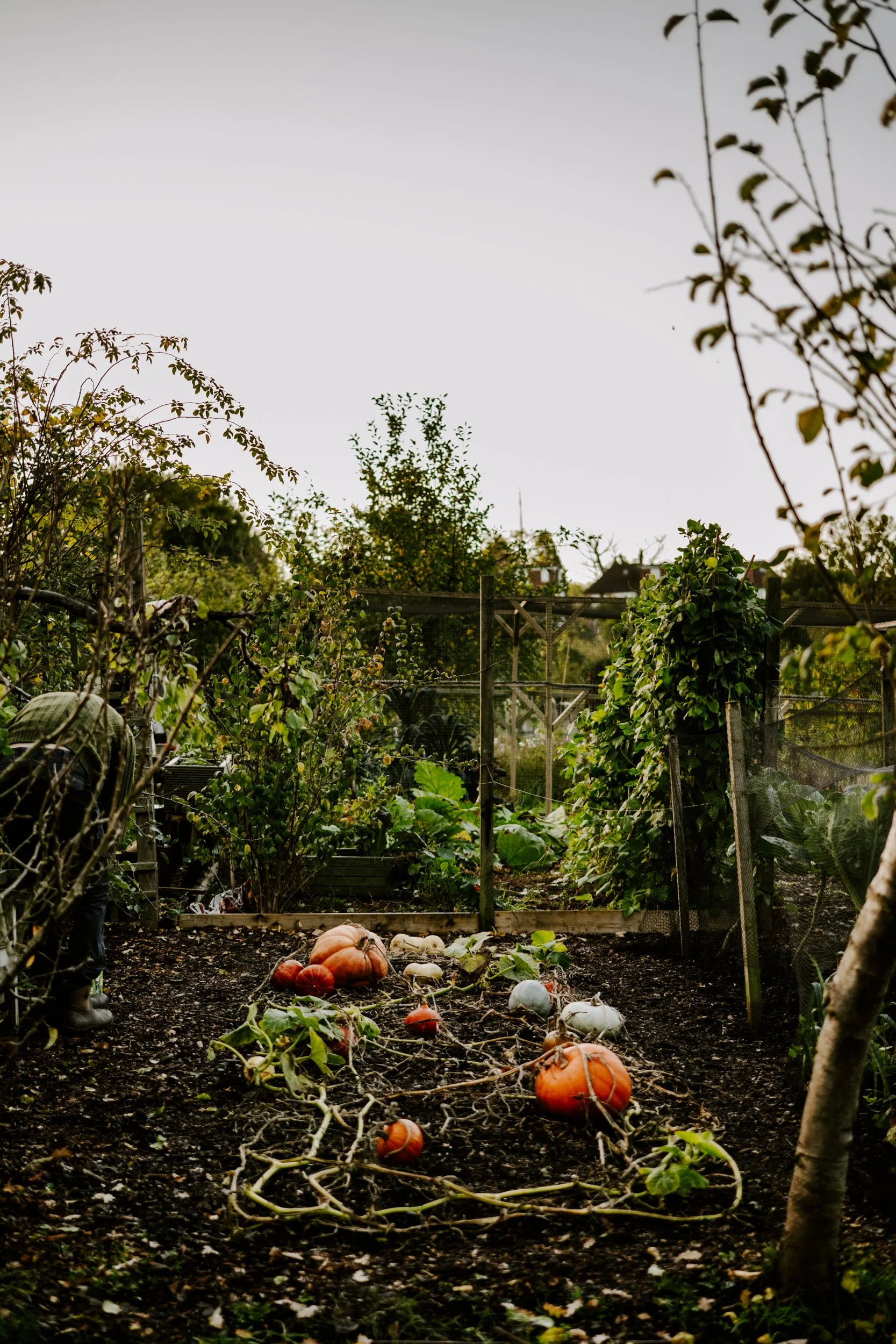
He points at the patch where the pumpkins once sprawled. “Most people pull the roots out,” he says. “I just cut them at the base. Let them rot back in. Feed the soil.”
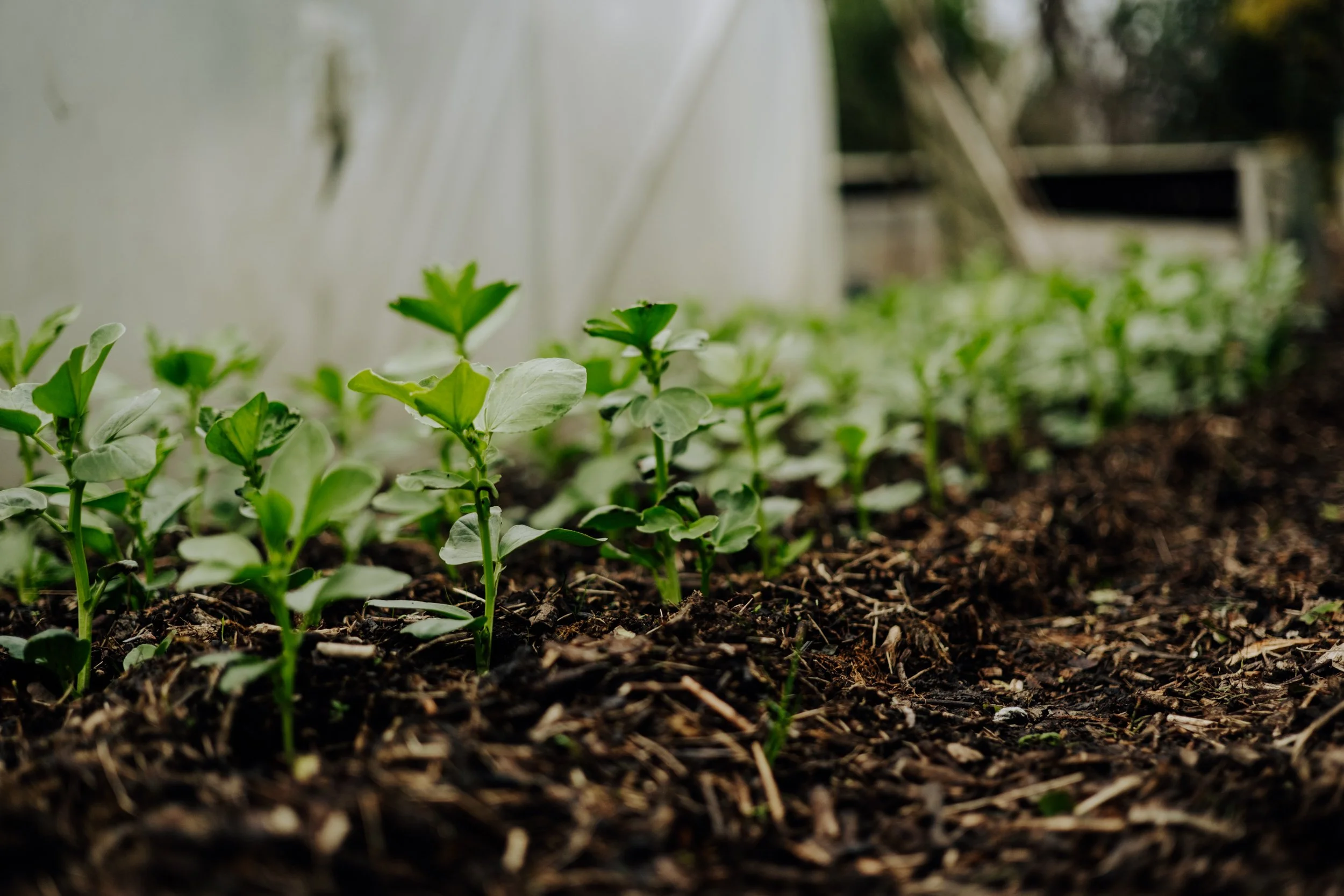
The key, he says, is to disturb it as little as possible. Soil is alive - layers of bacteria, each type in its own place, doing its work. When you dig, you disrupt all of that, break the balance the soil has built for itself.
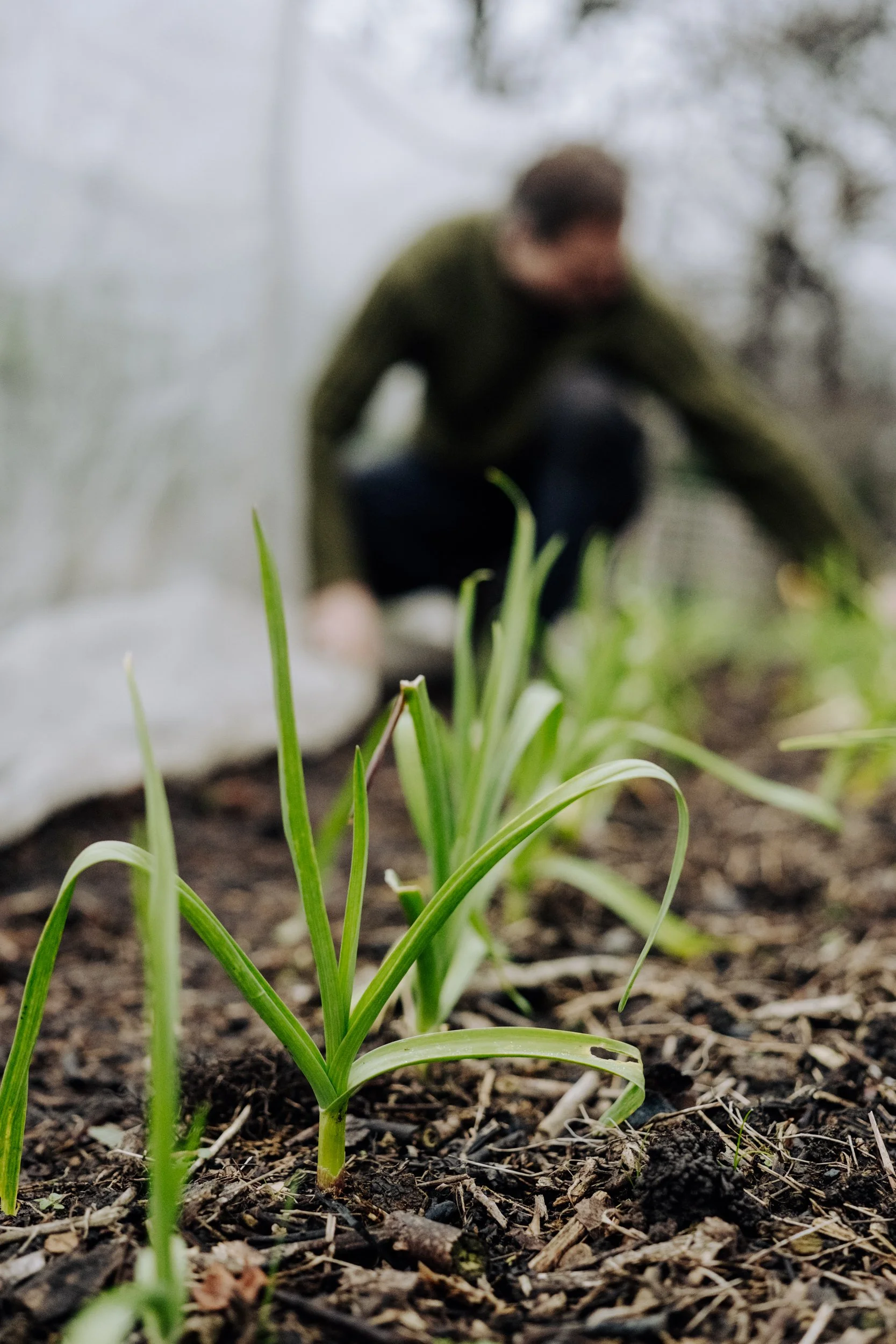
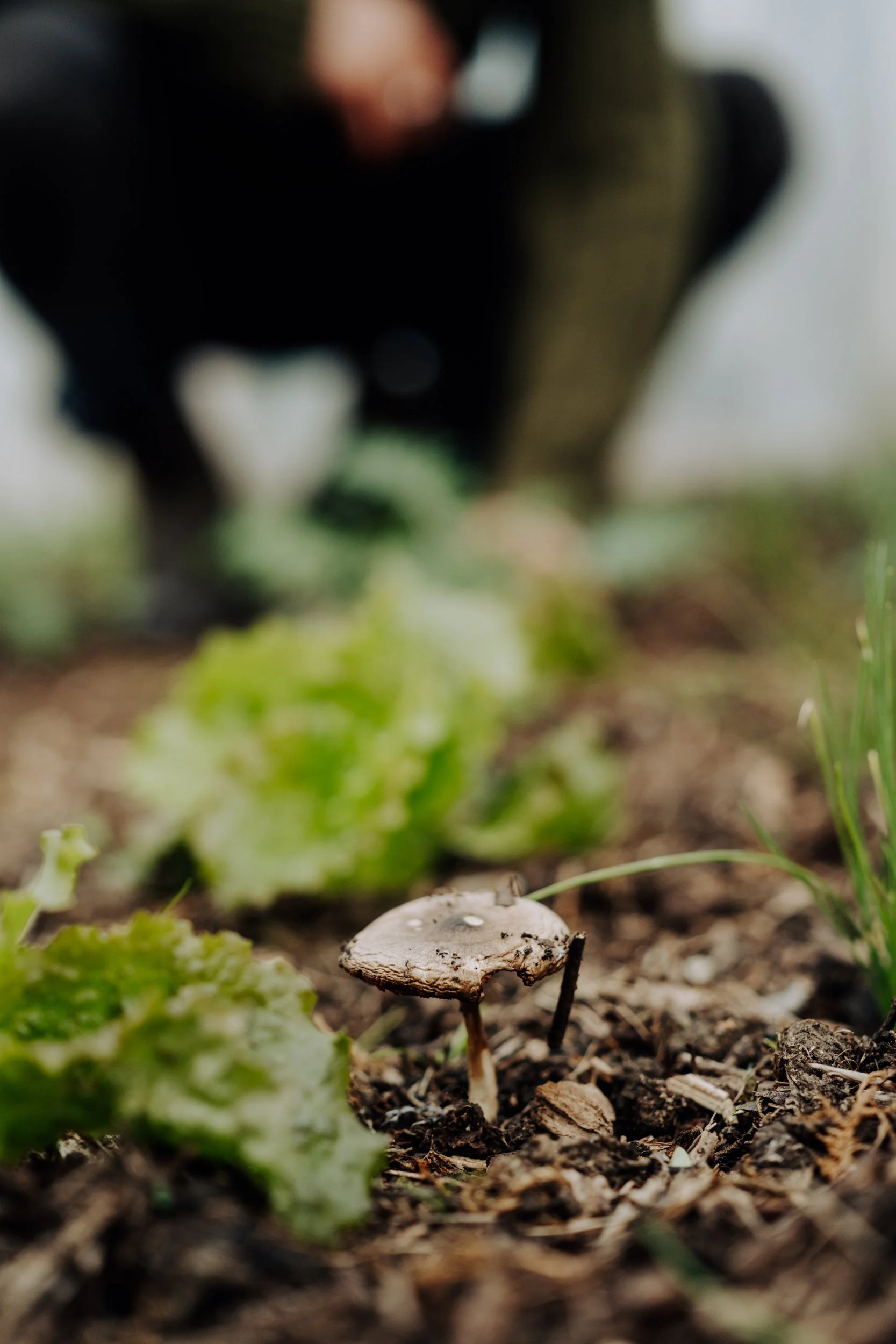
“There are these fungal networks,” he adds, crouching to touch the surface. “Tiny threads running through the soil. They help the plants grow - share nutrients, keep everything connected.”

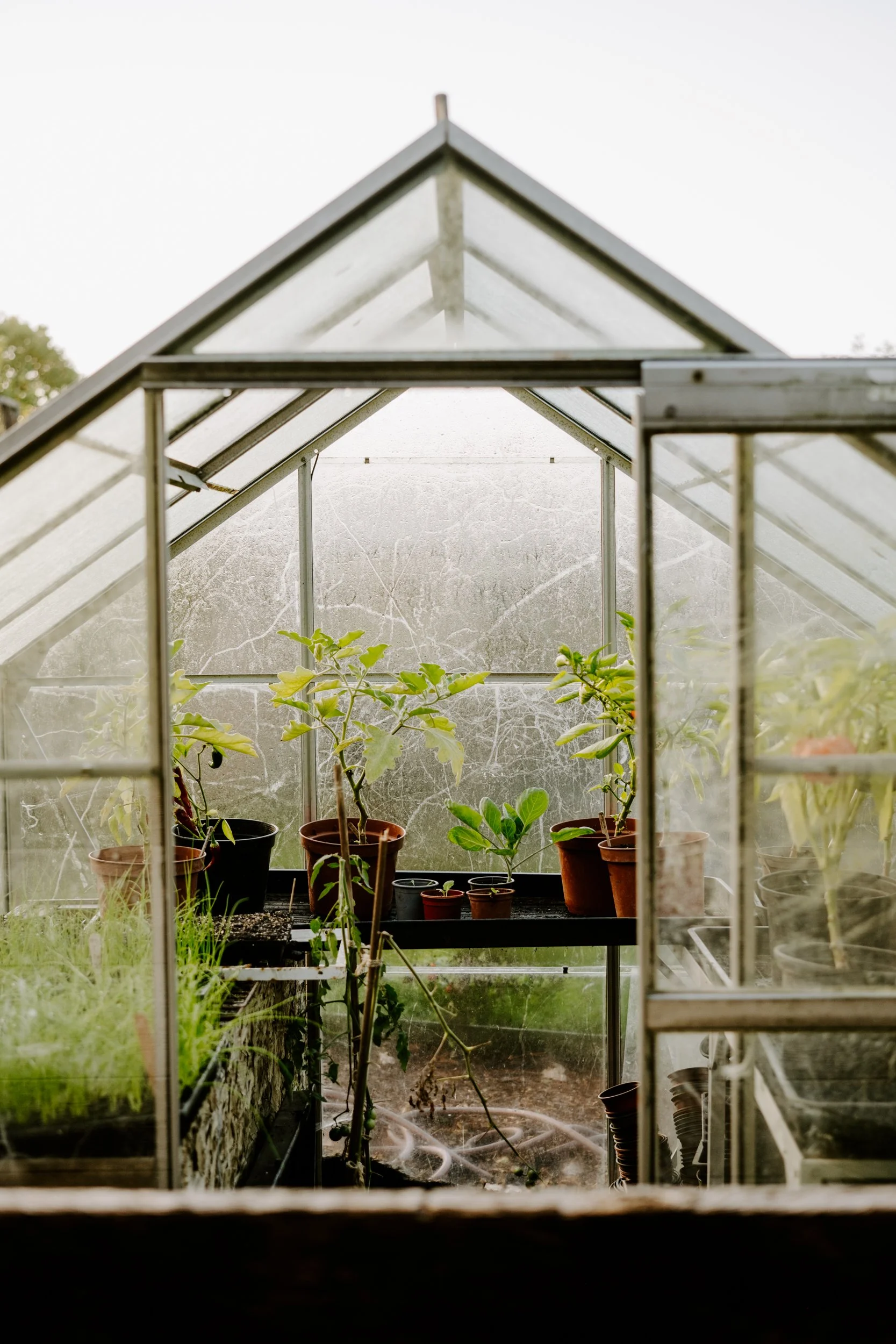

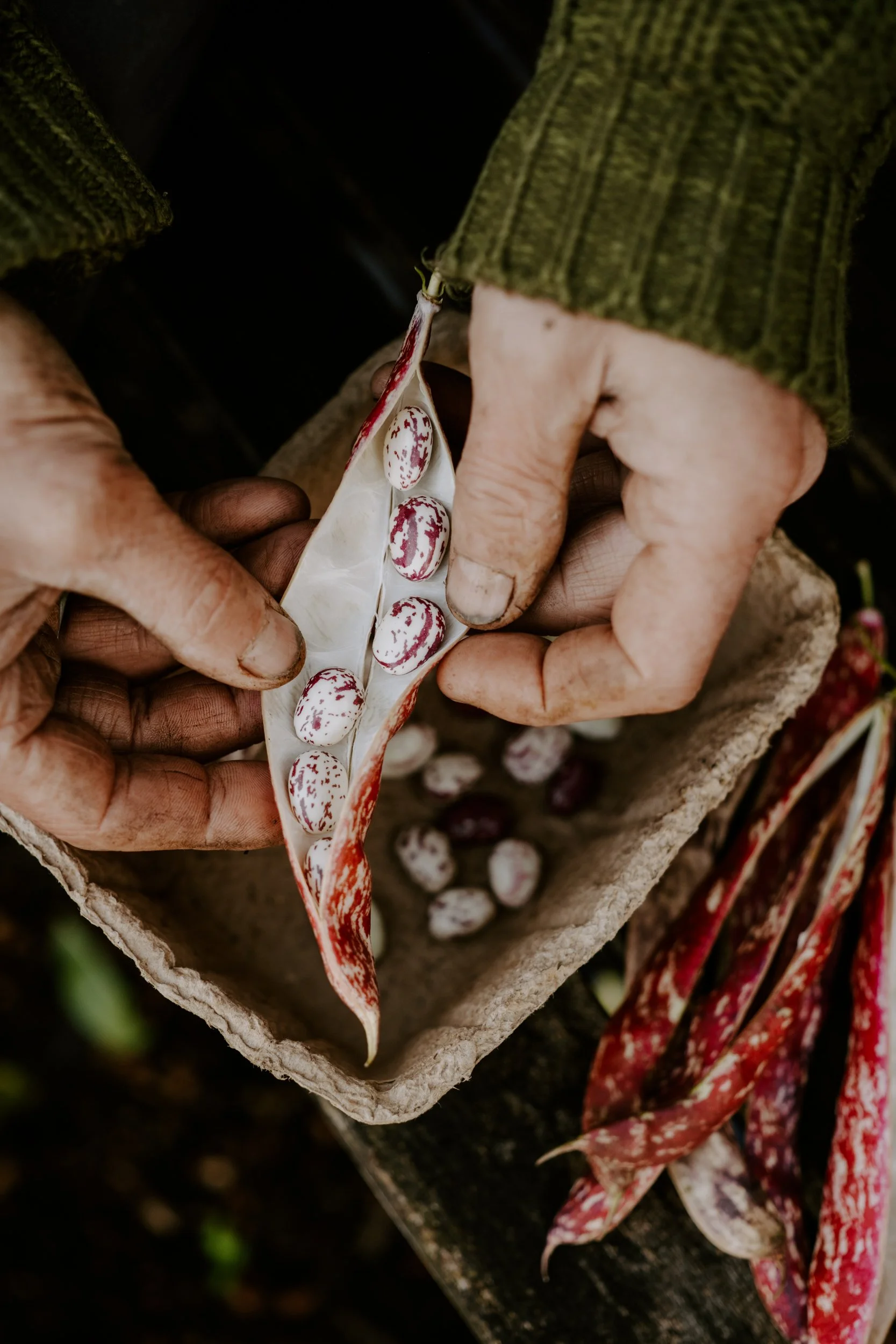


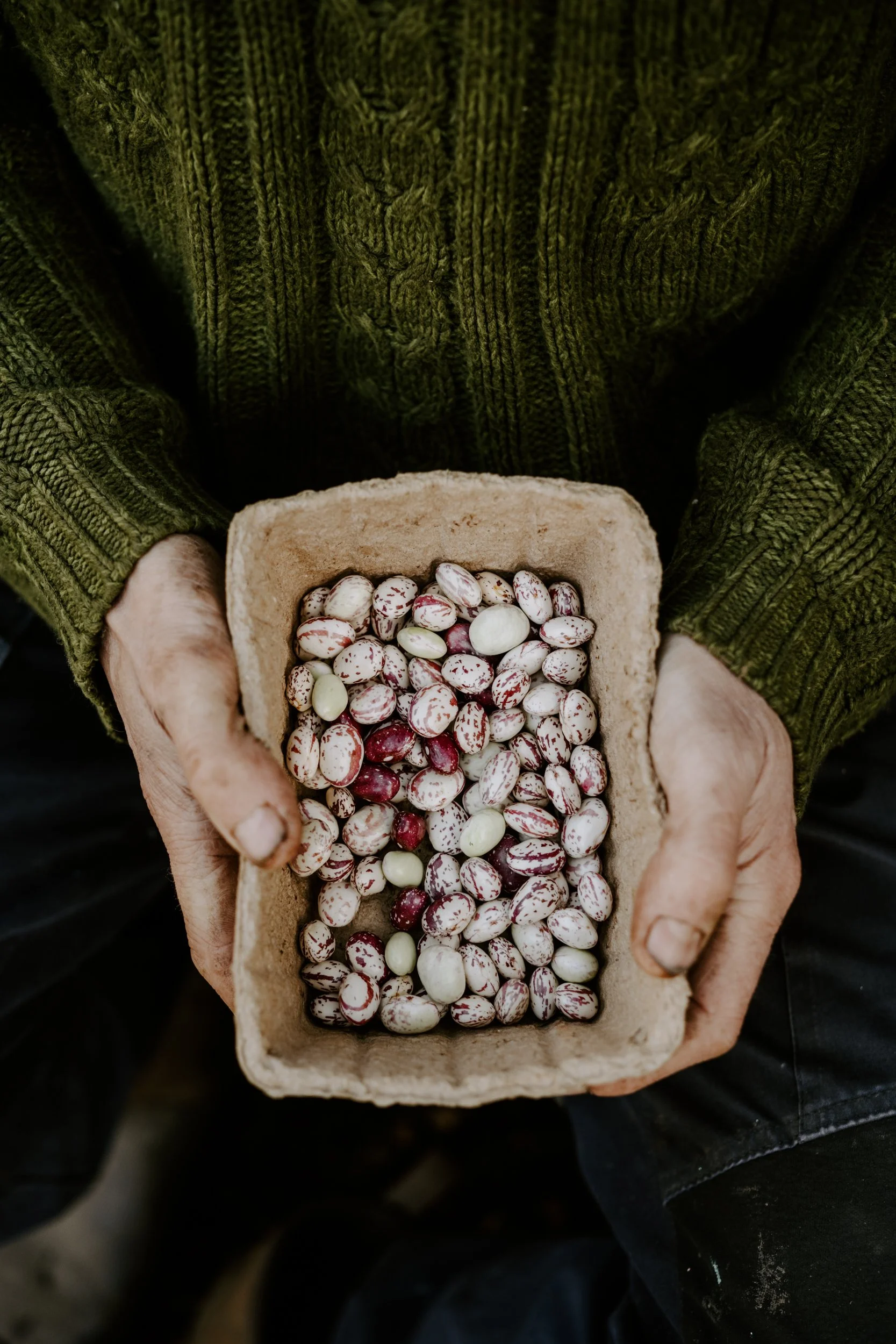


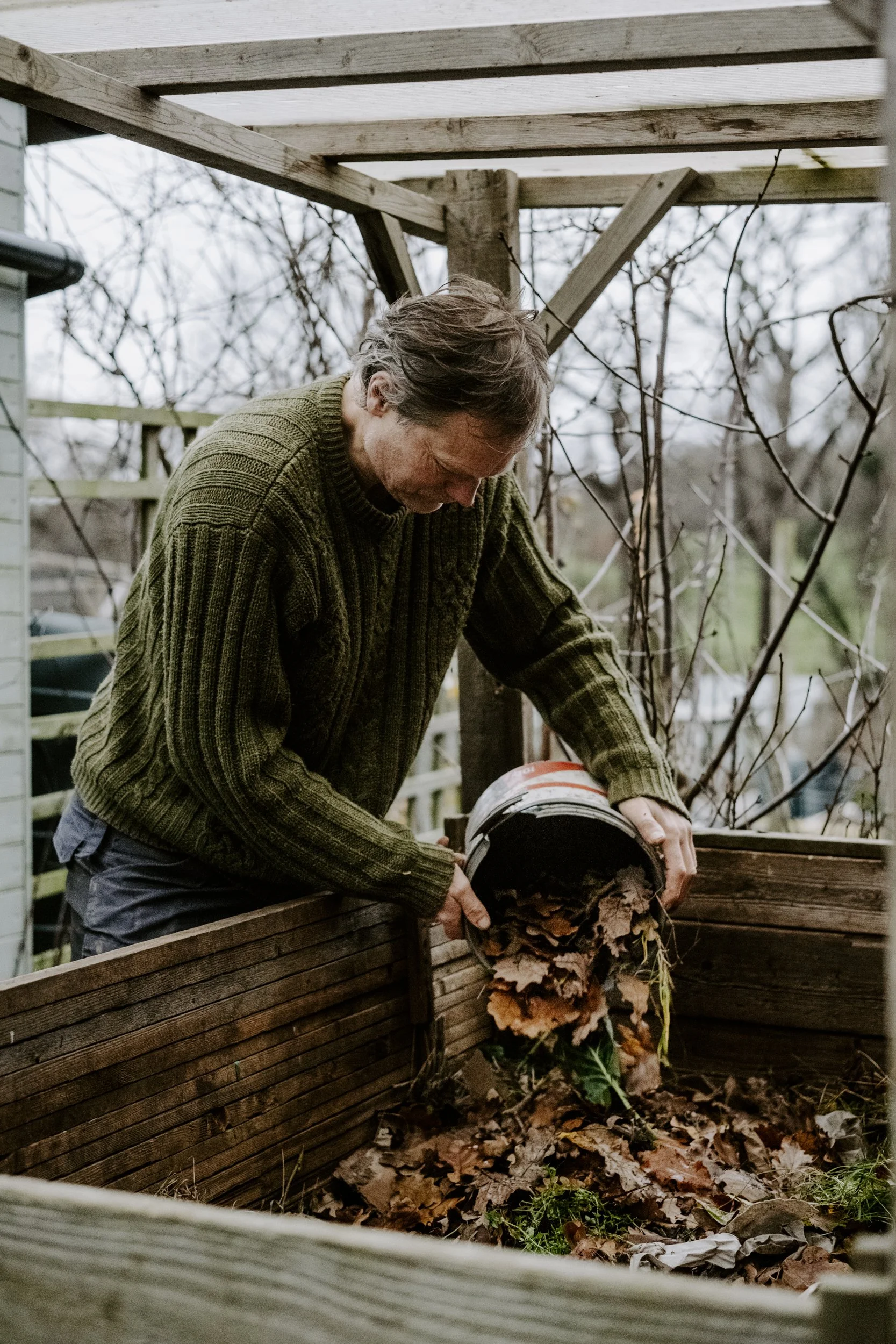
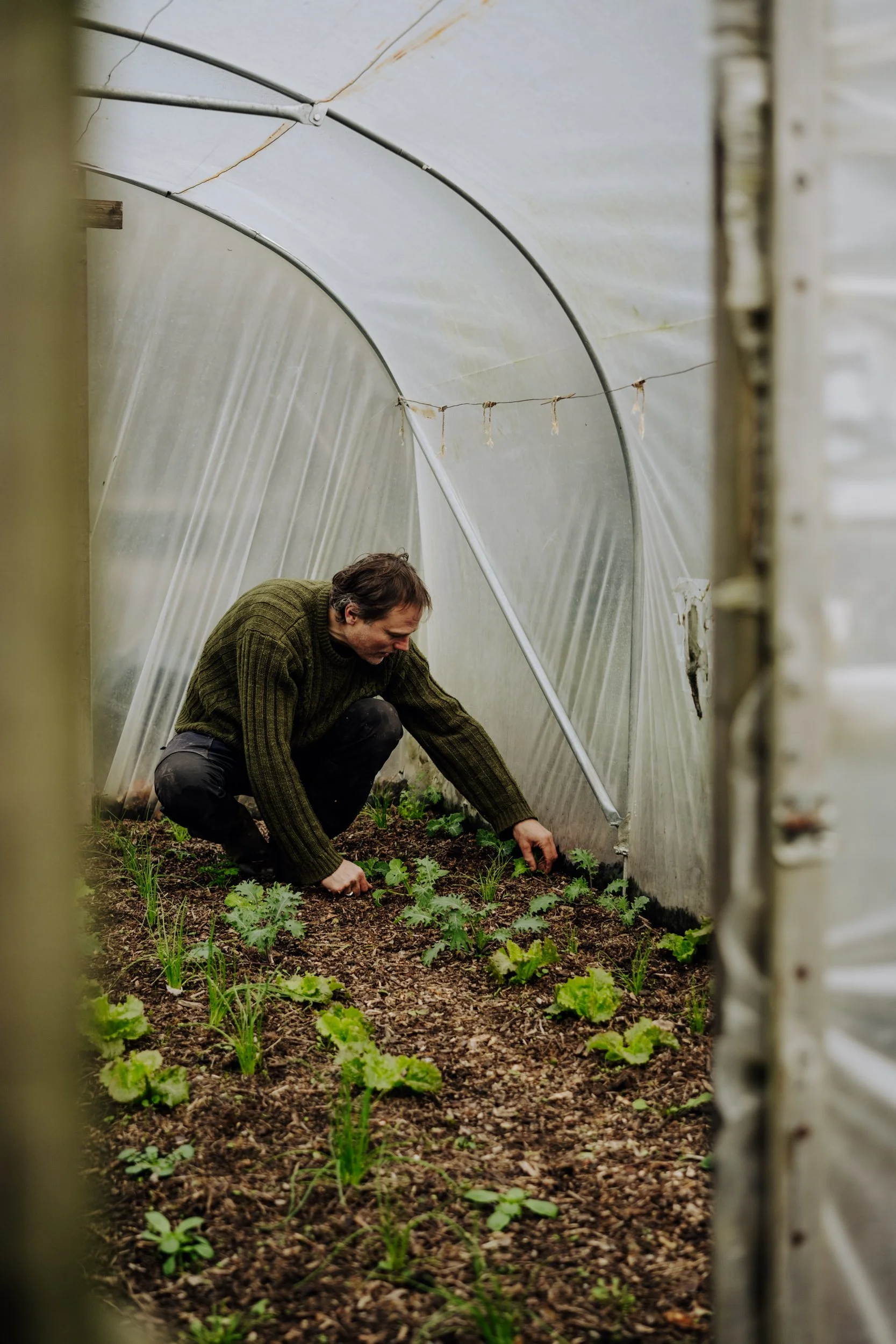
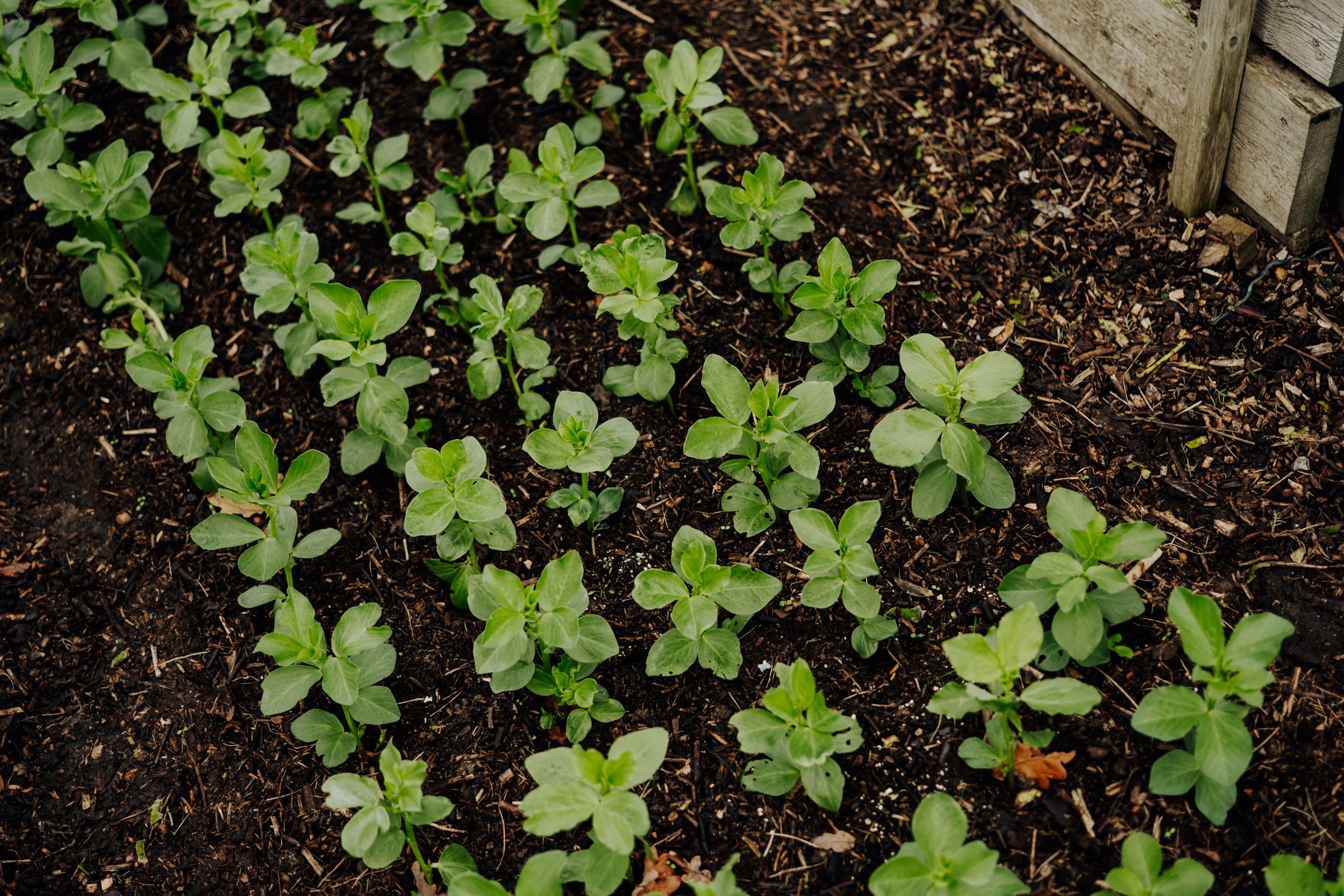
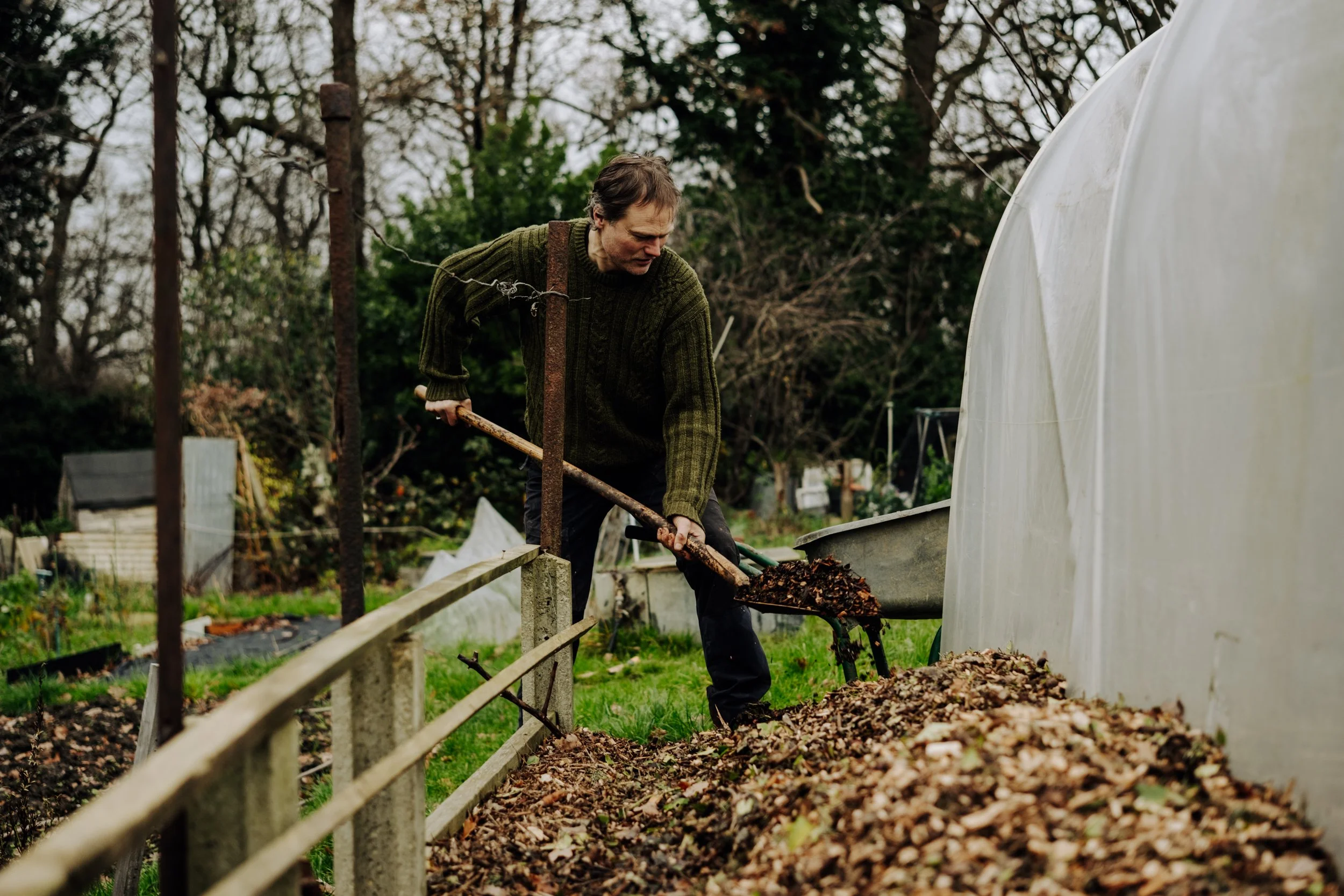
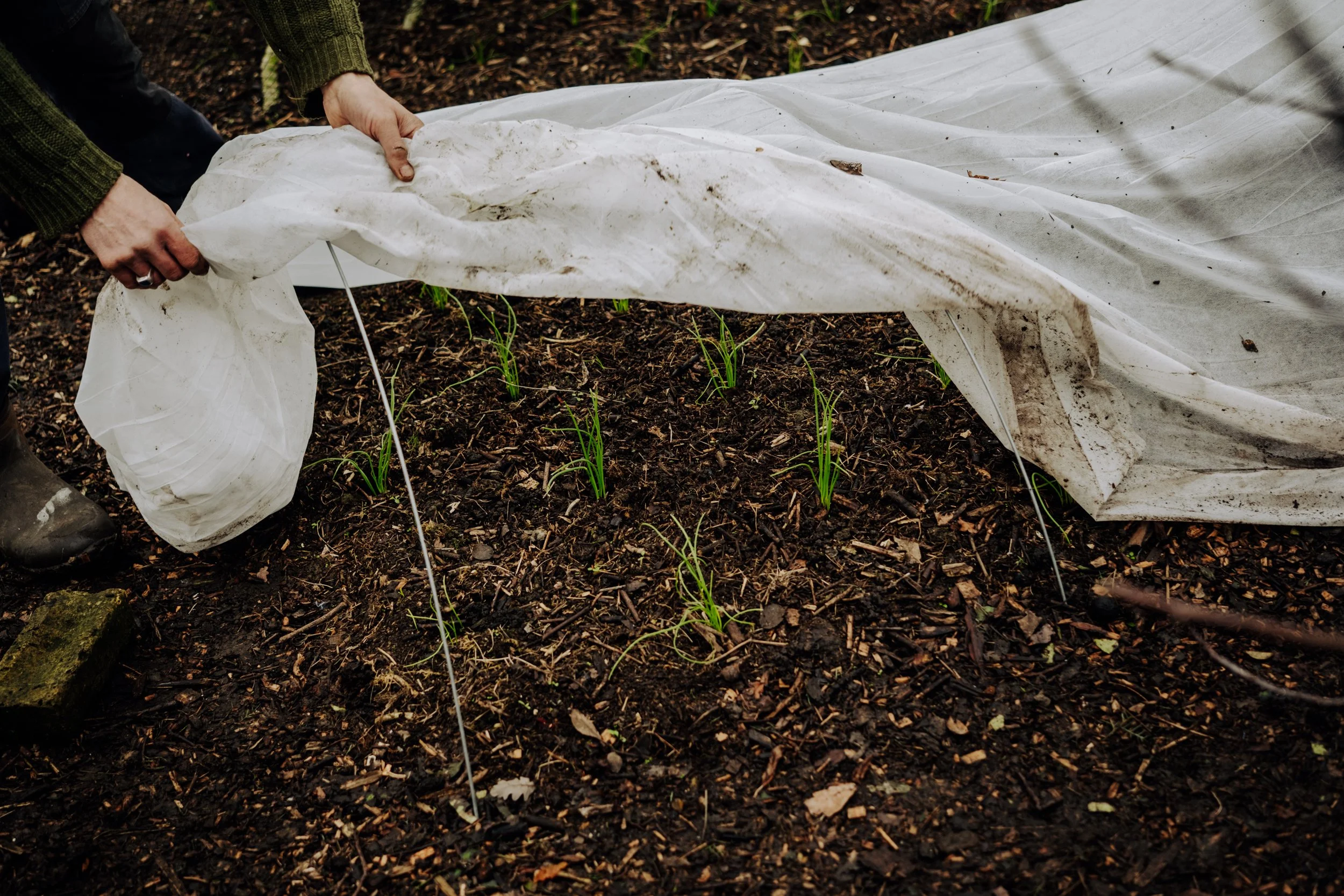
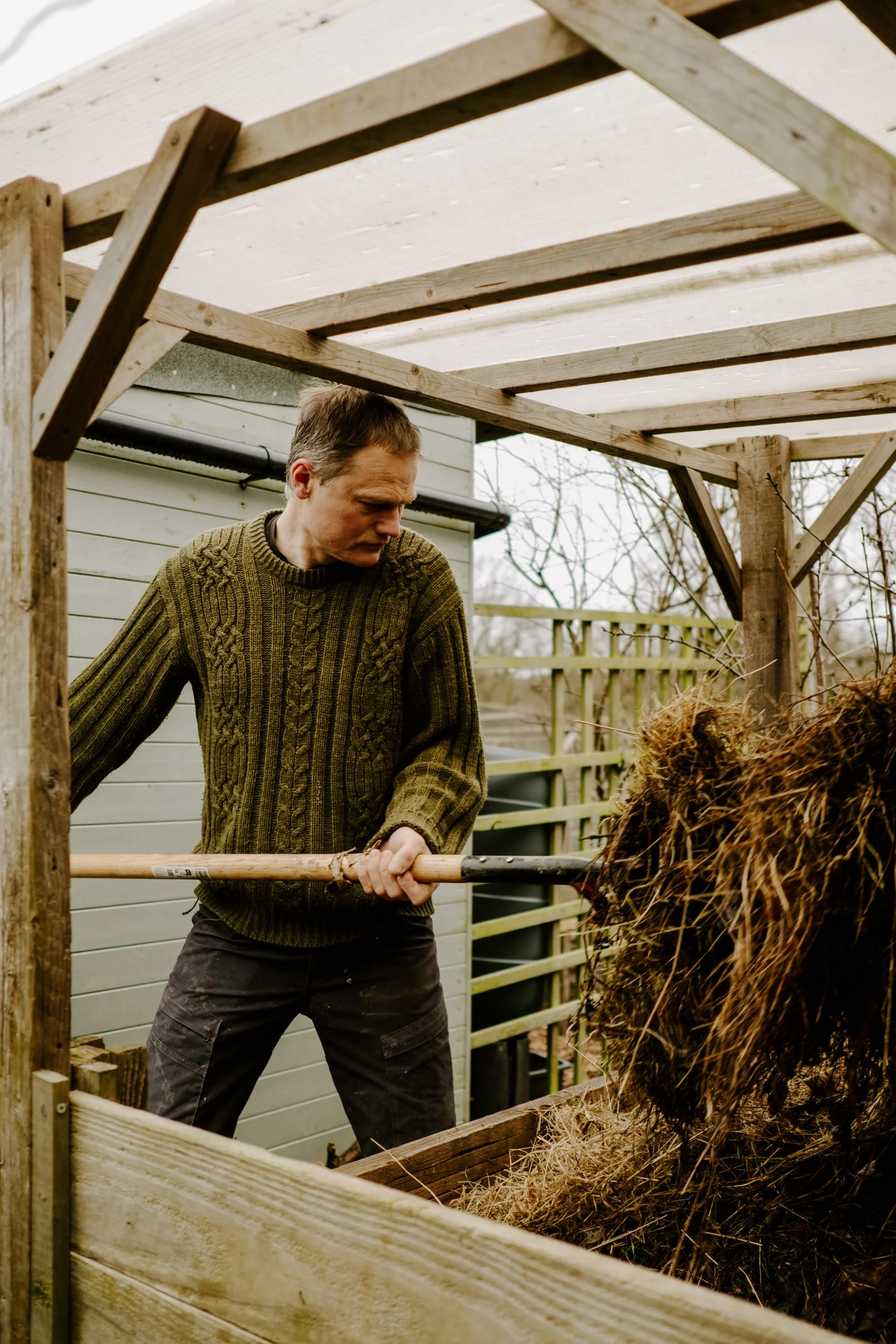
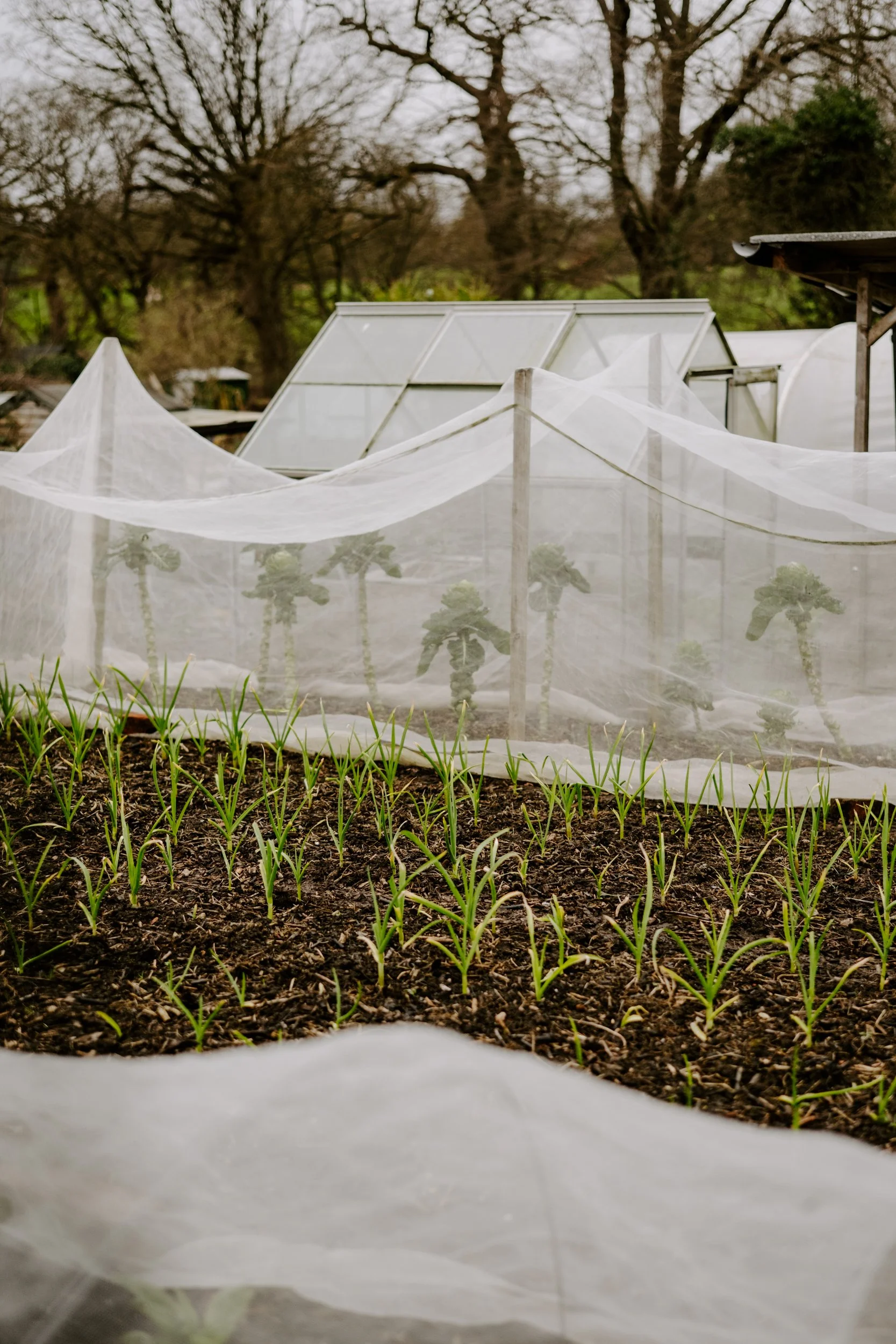
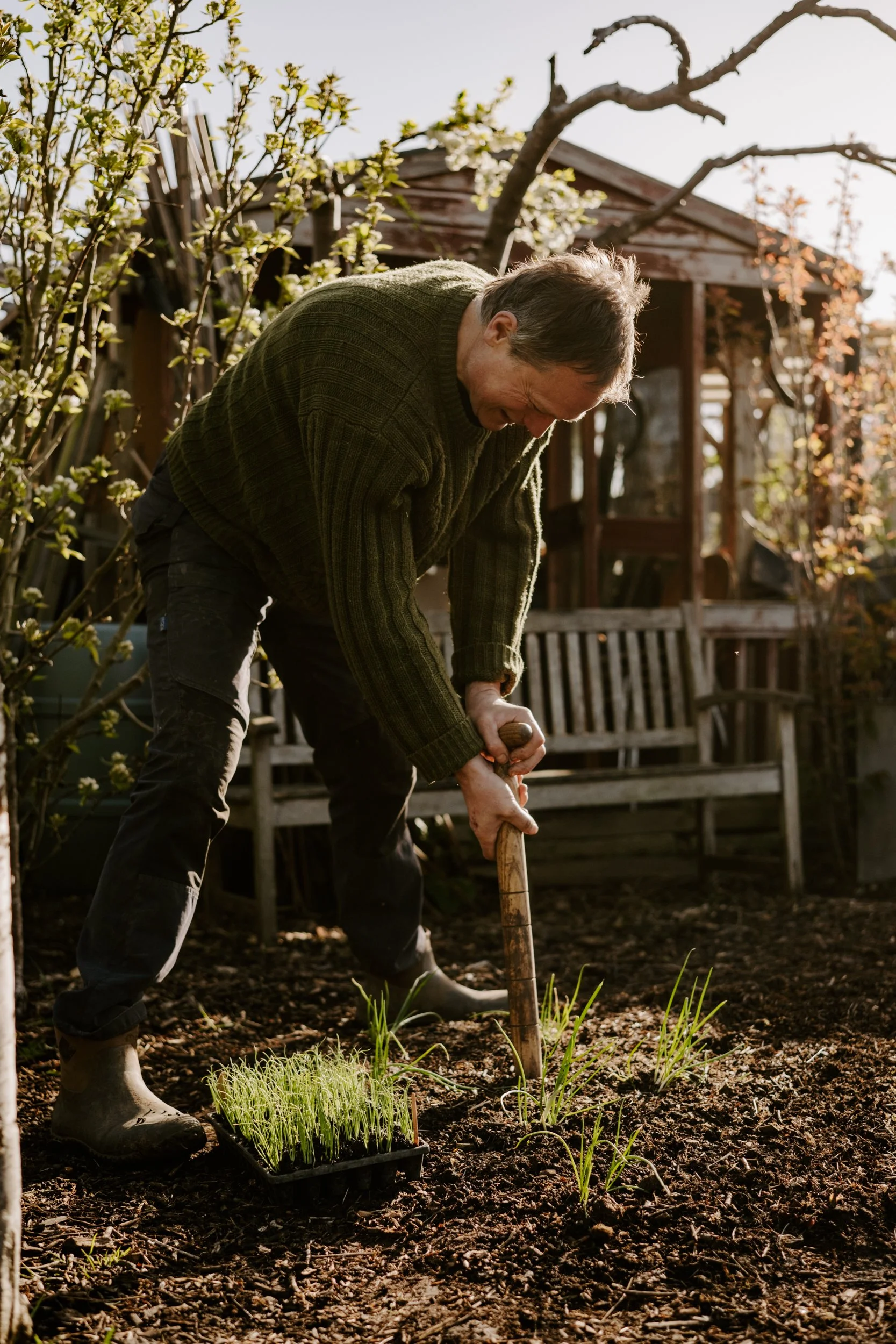
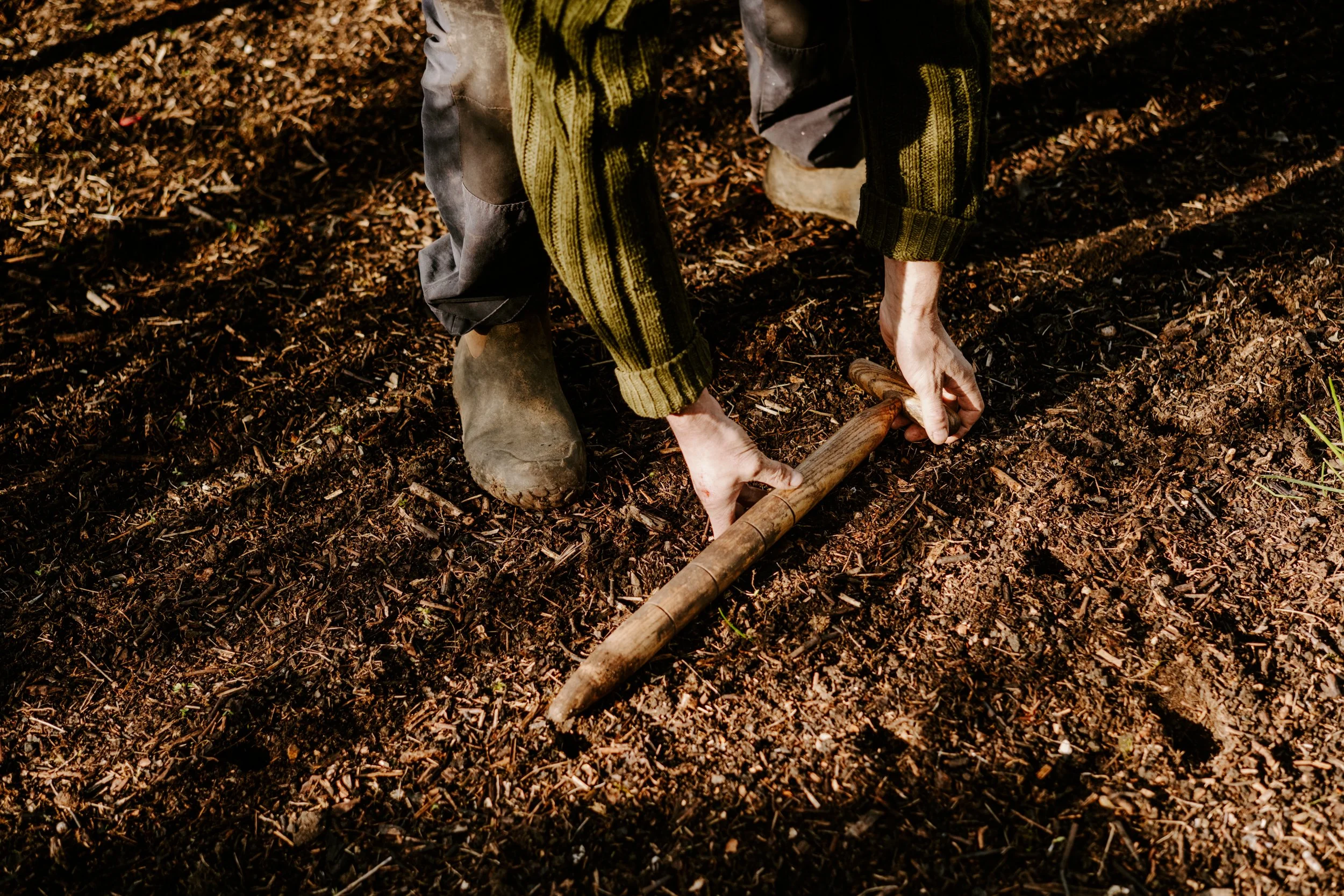
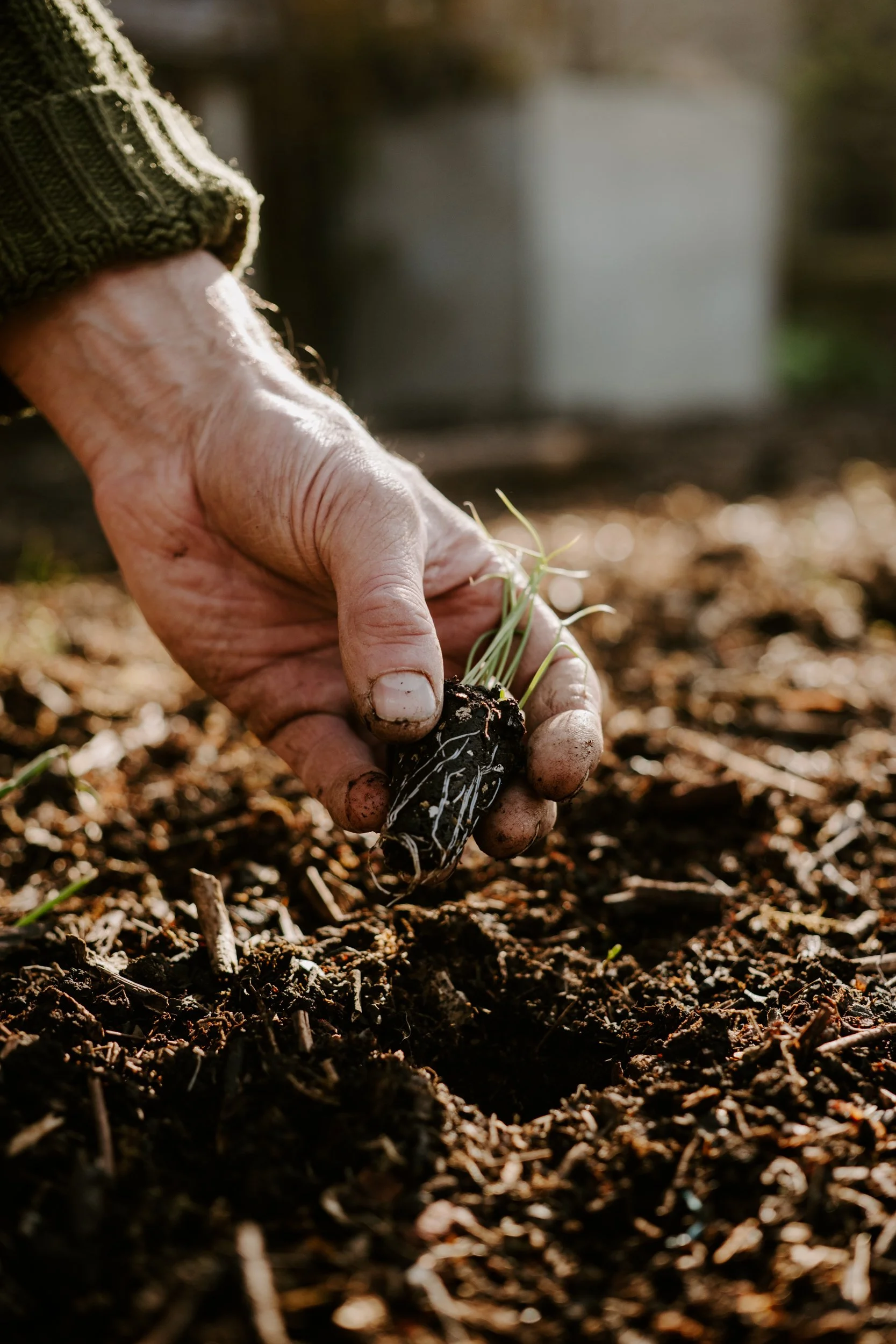
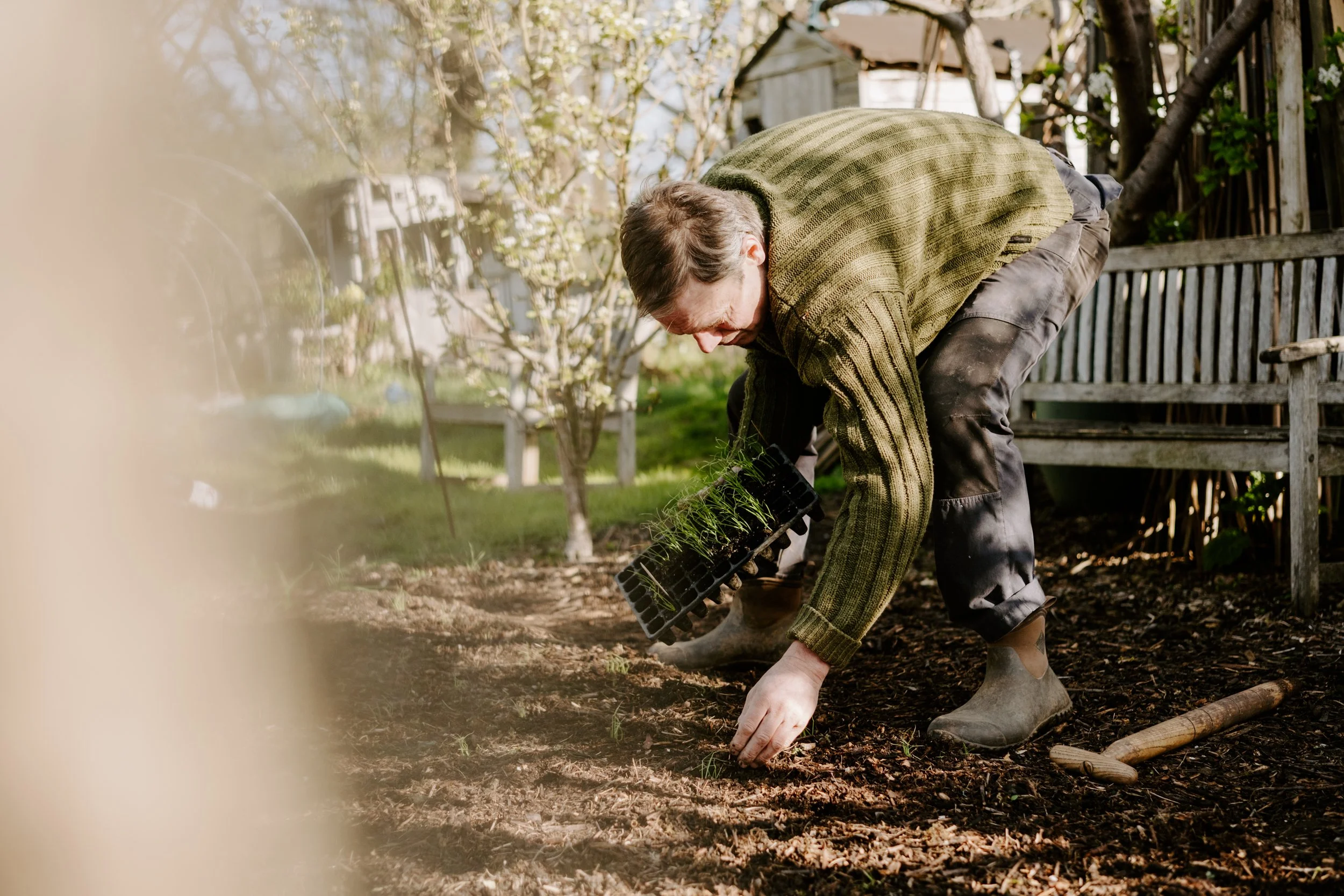
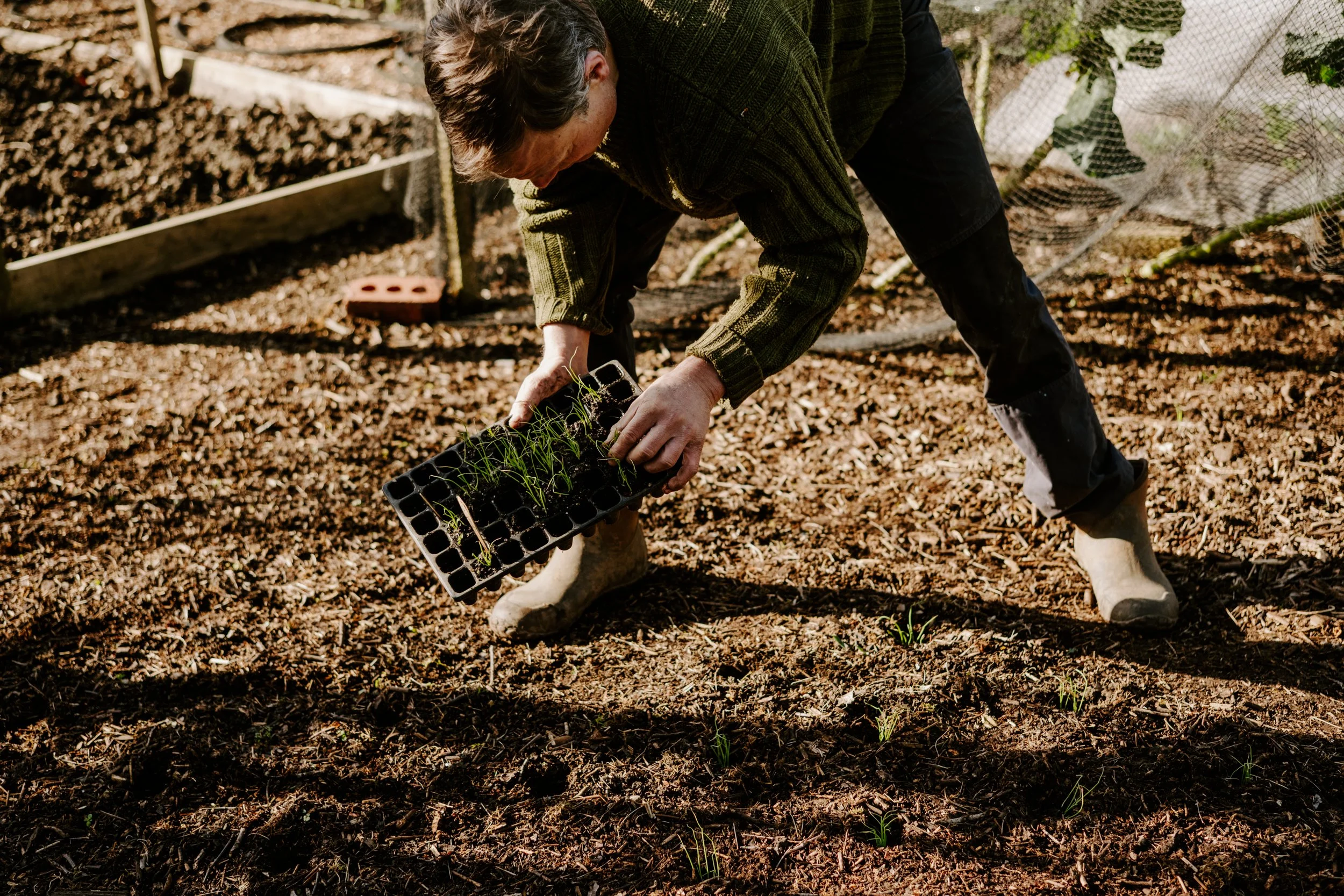
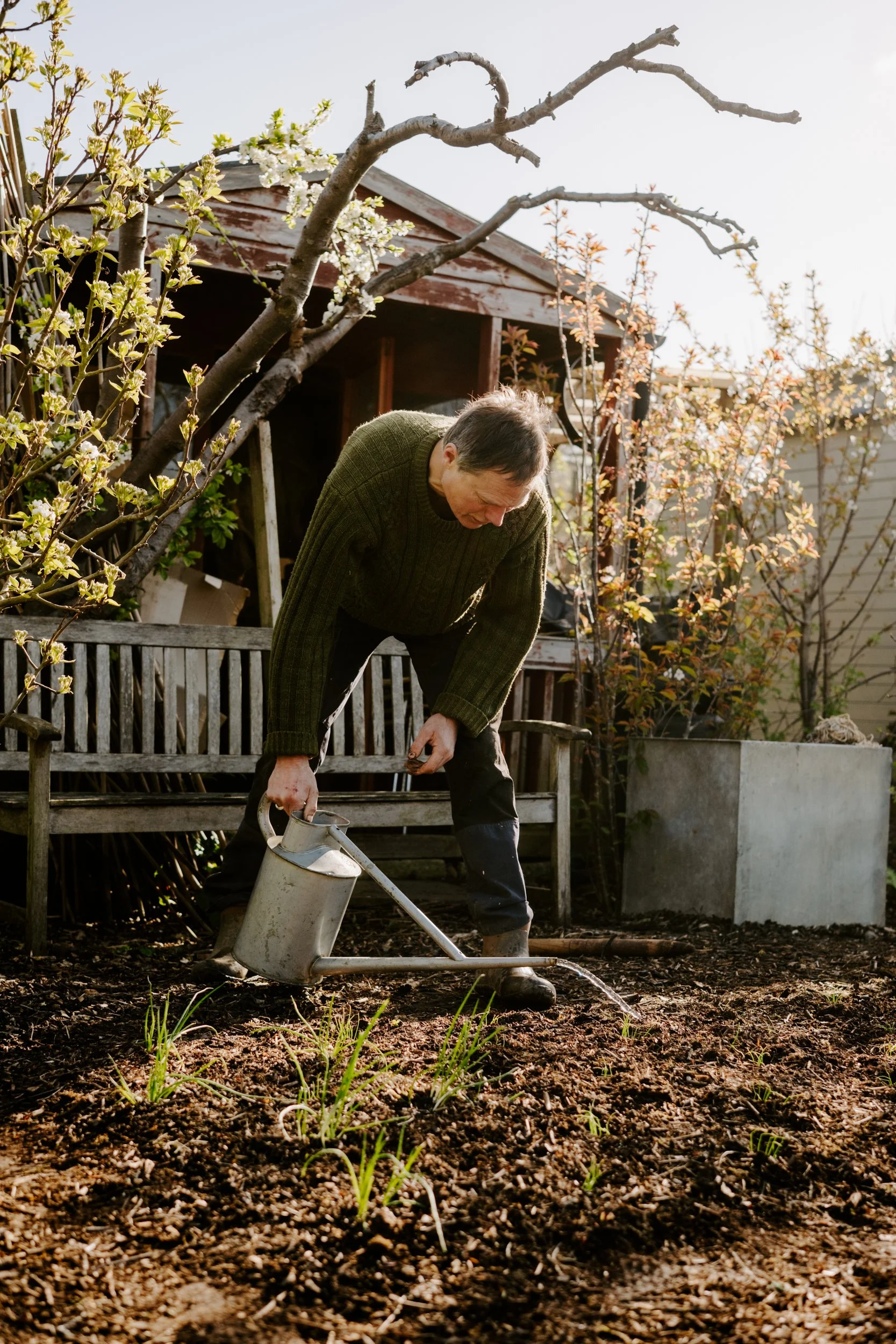
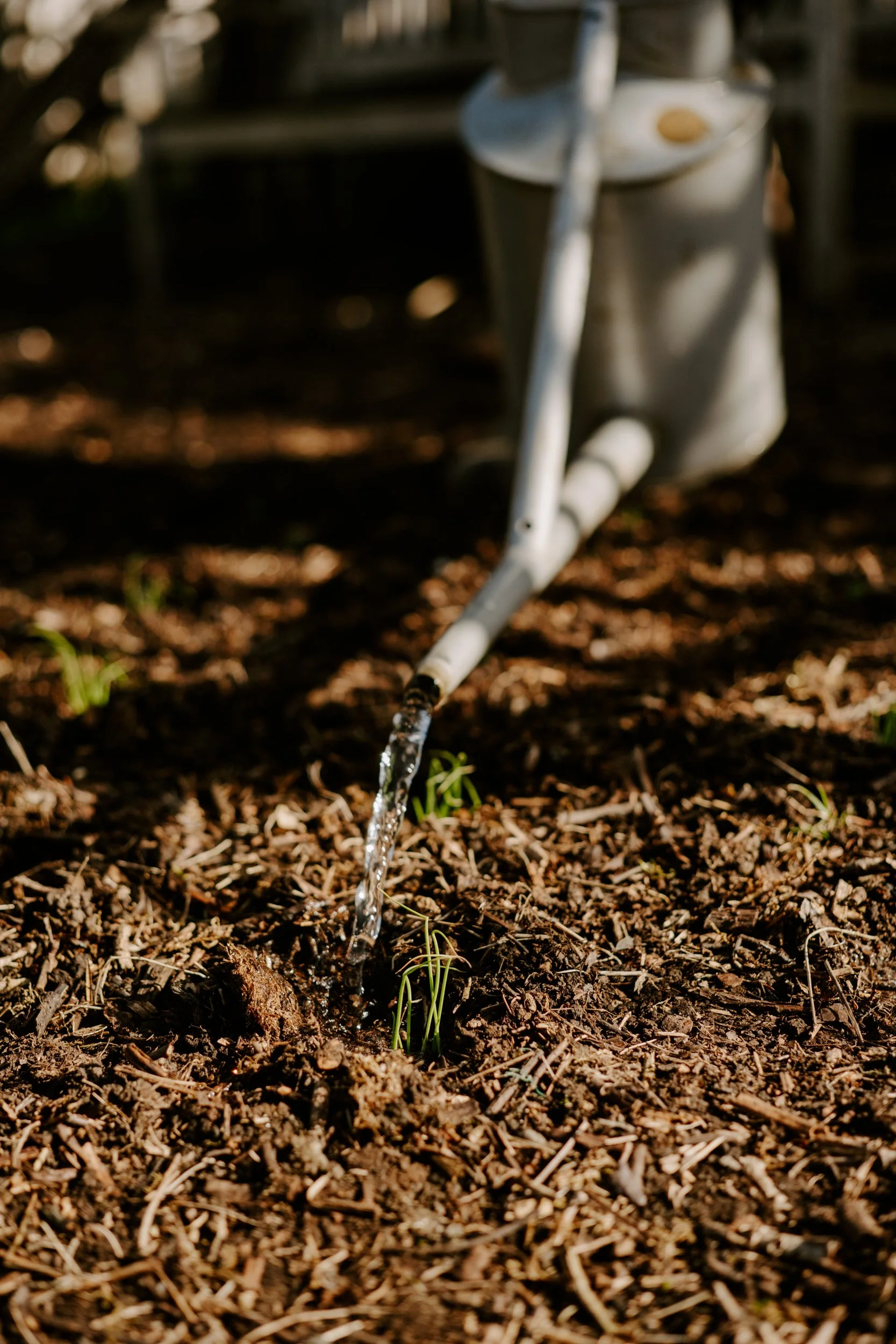
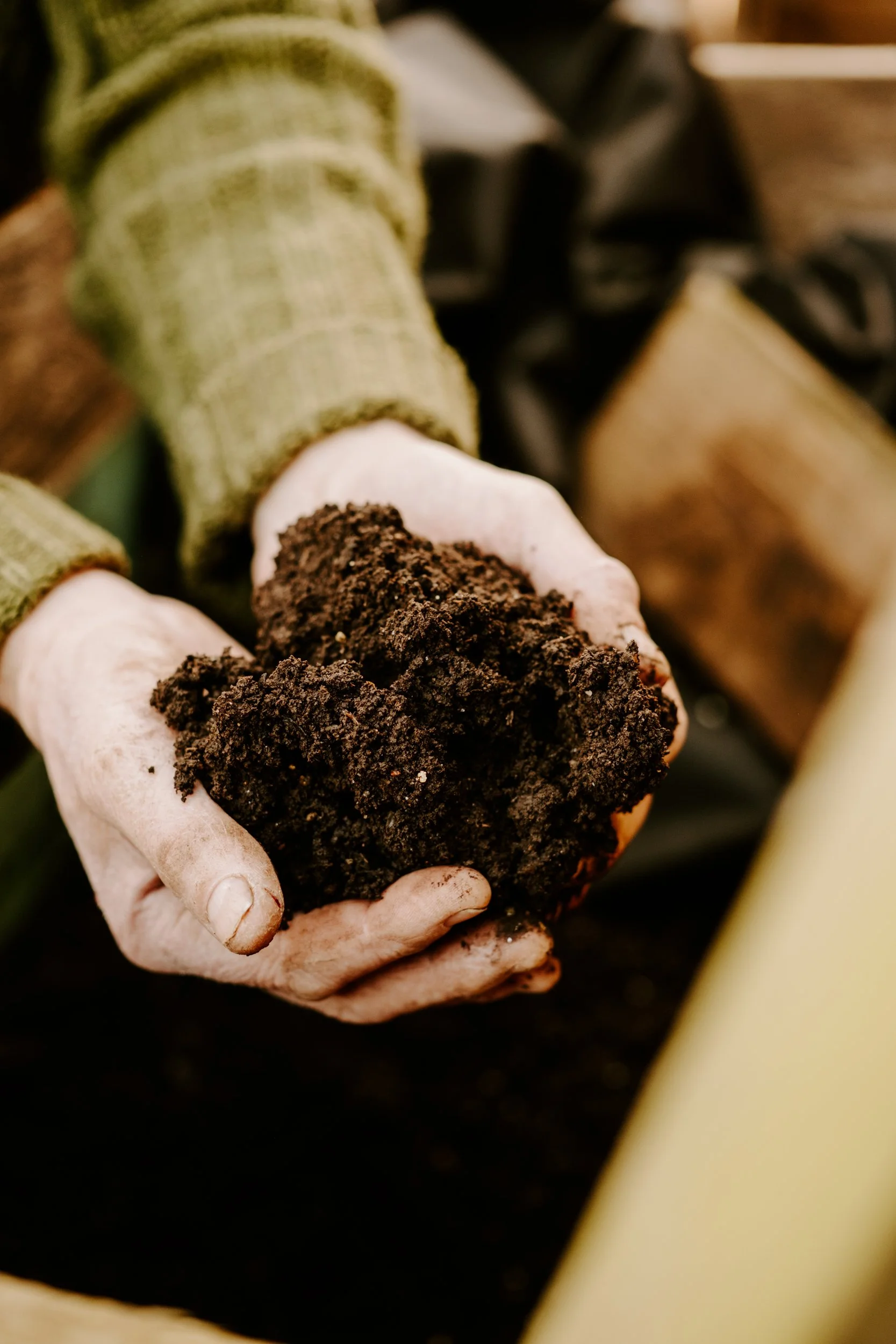
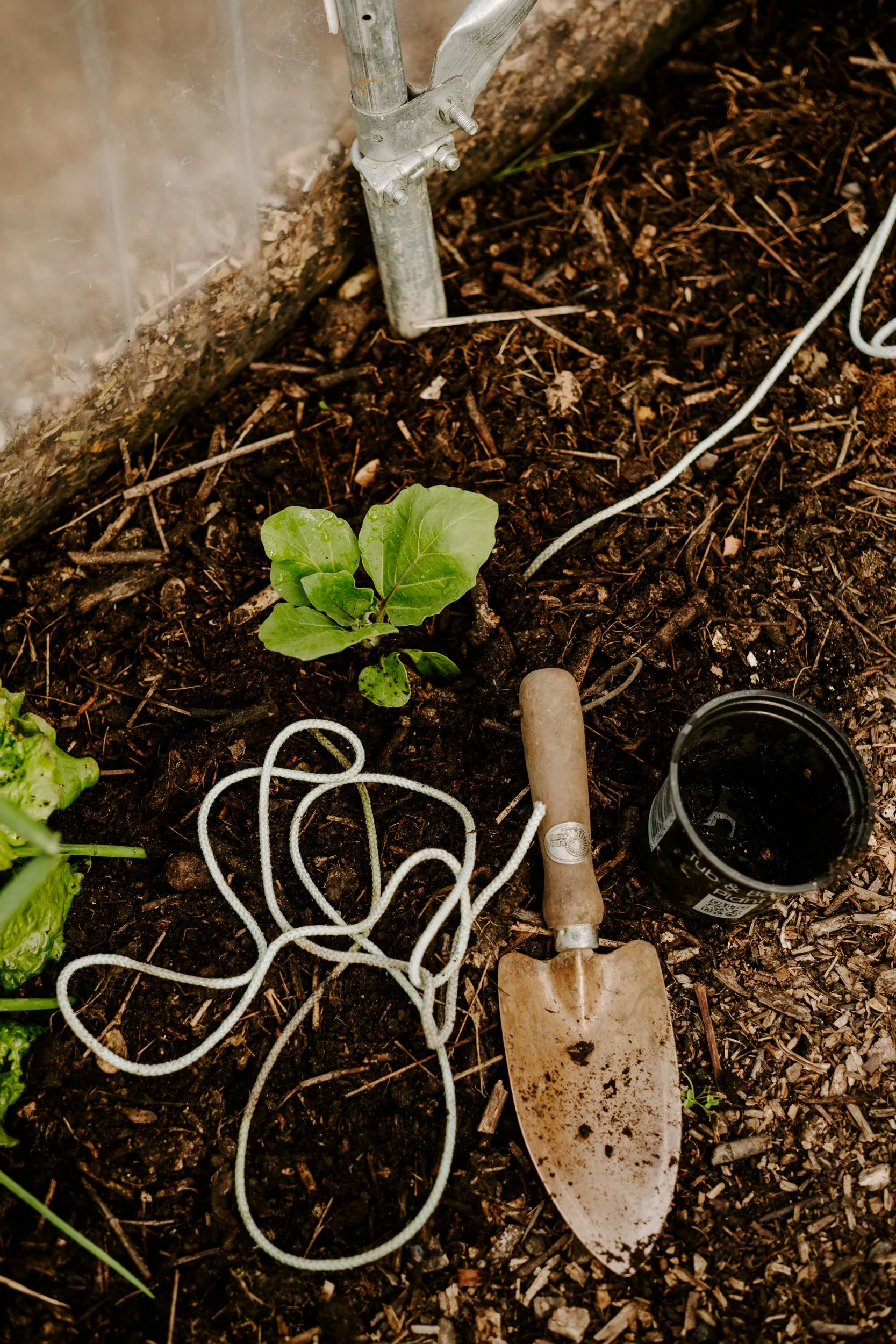
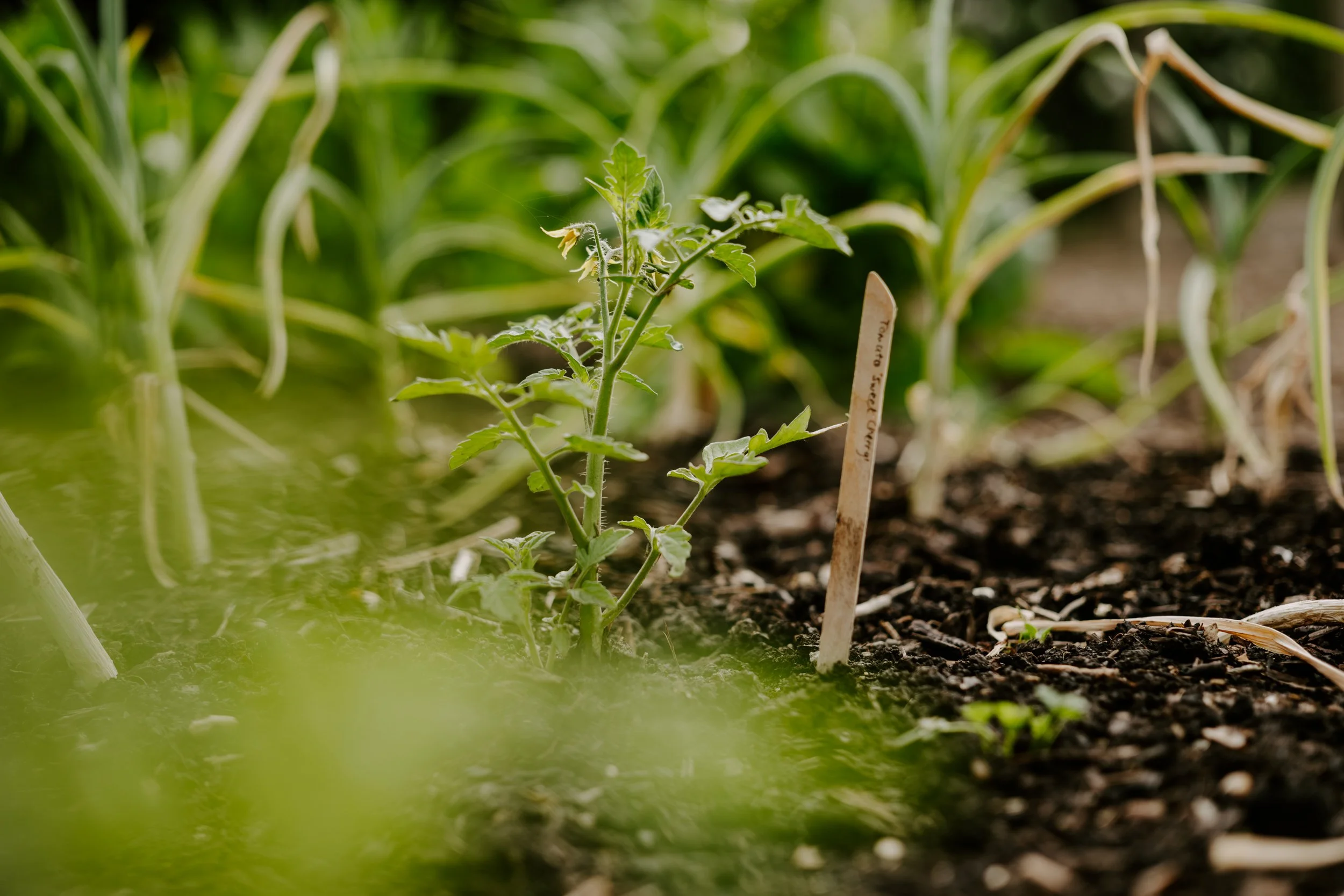
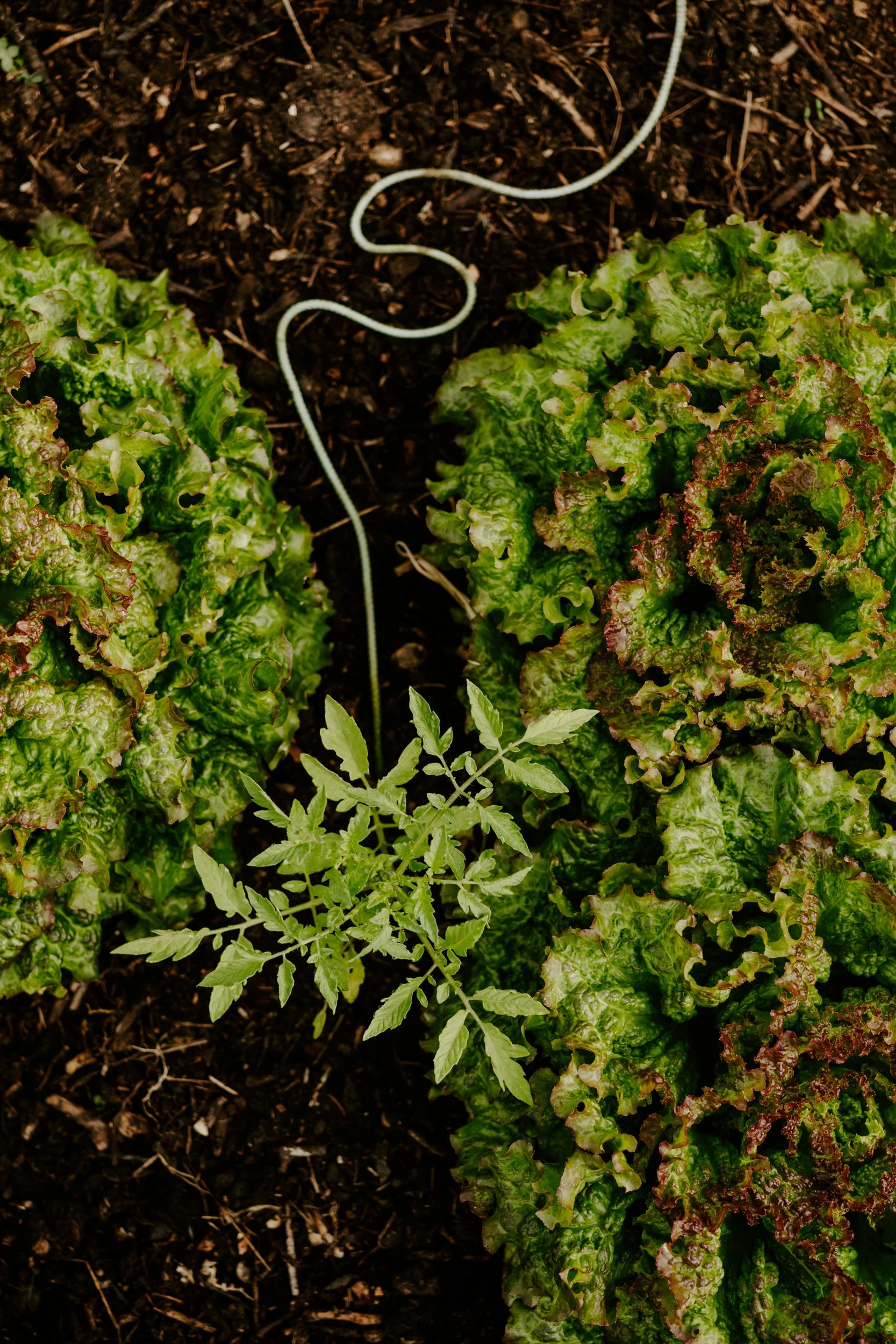
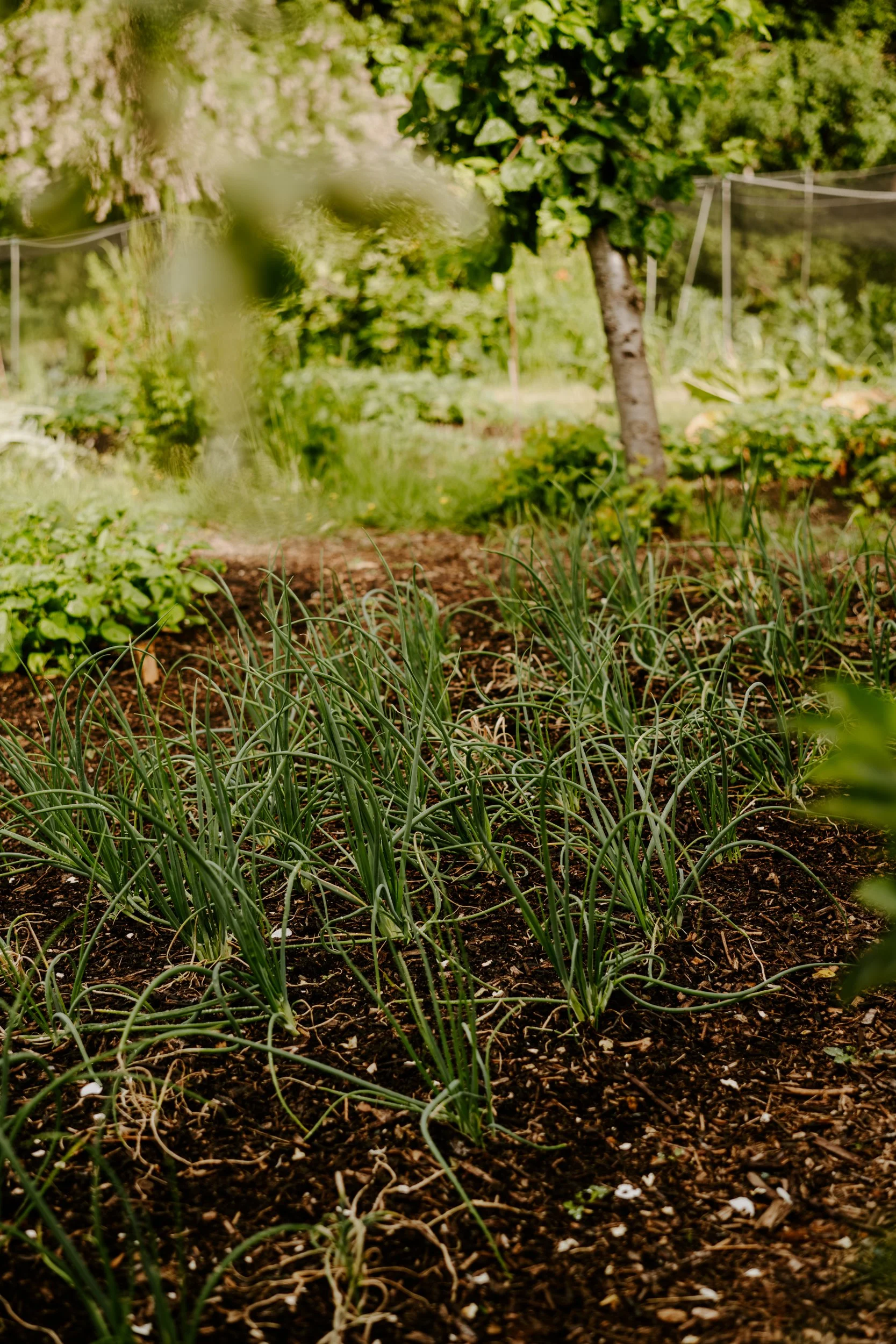
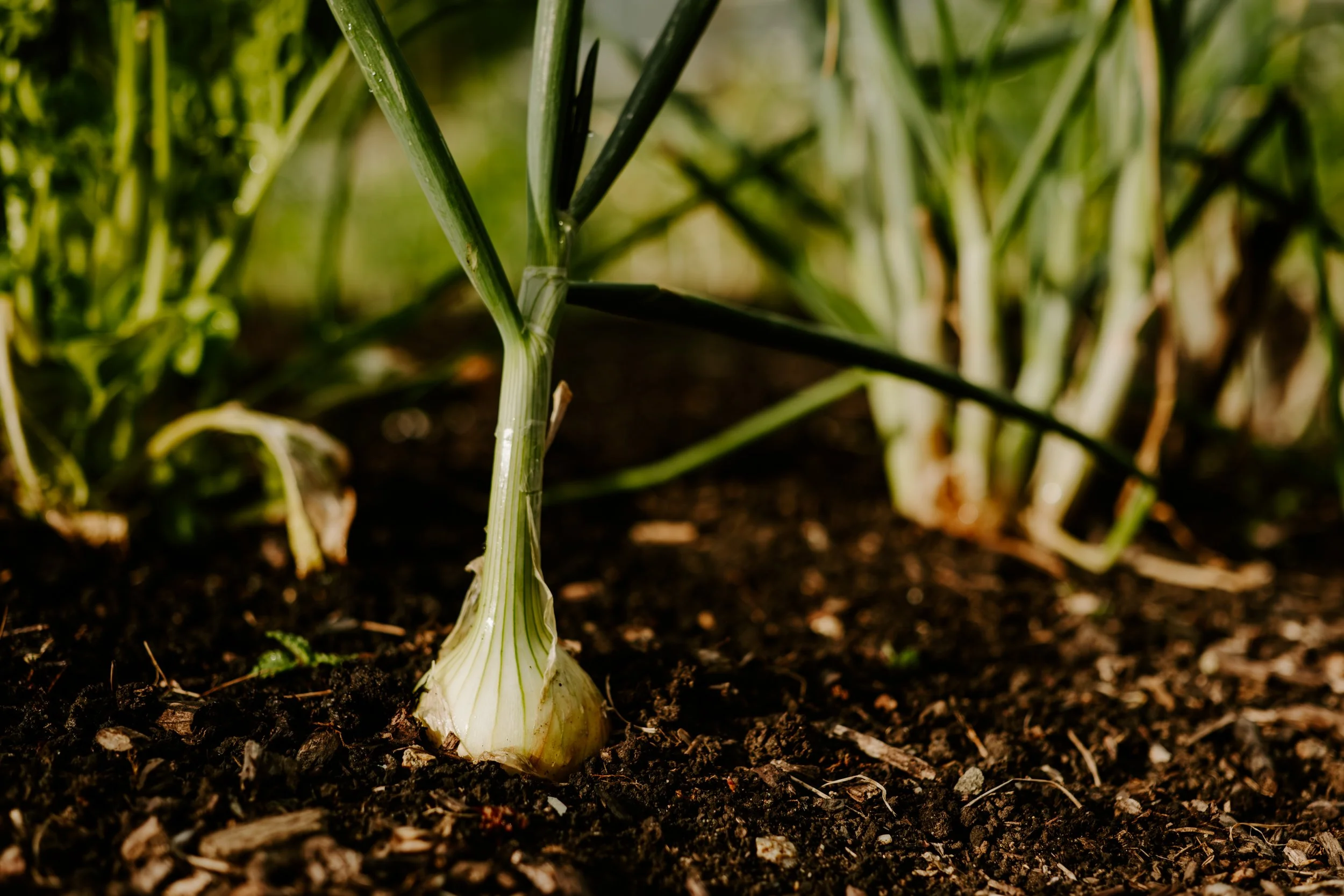
There’s compost everywhere - dark, rich, made from leaves and cardboard and grass clippings. He shows me a layer he’s just spread - three inches deep, soft and alive. “Just leave it on top. Let the worms do the work.”
It’s all about balance.
Green and brown.
Nitrogen and carbon.
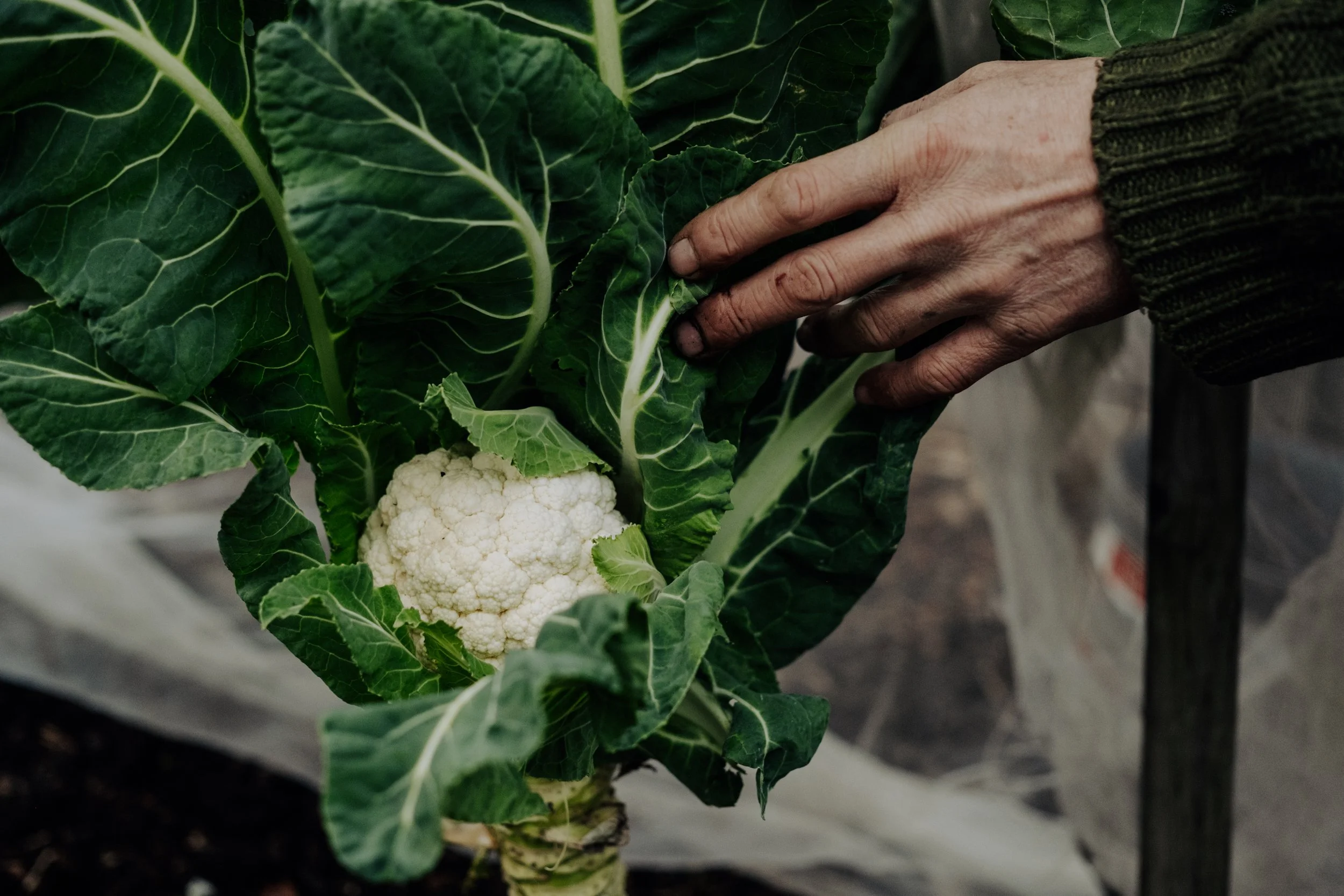
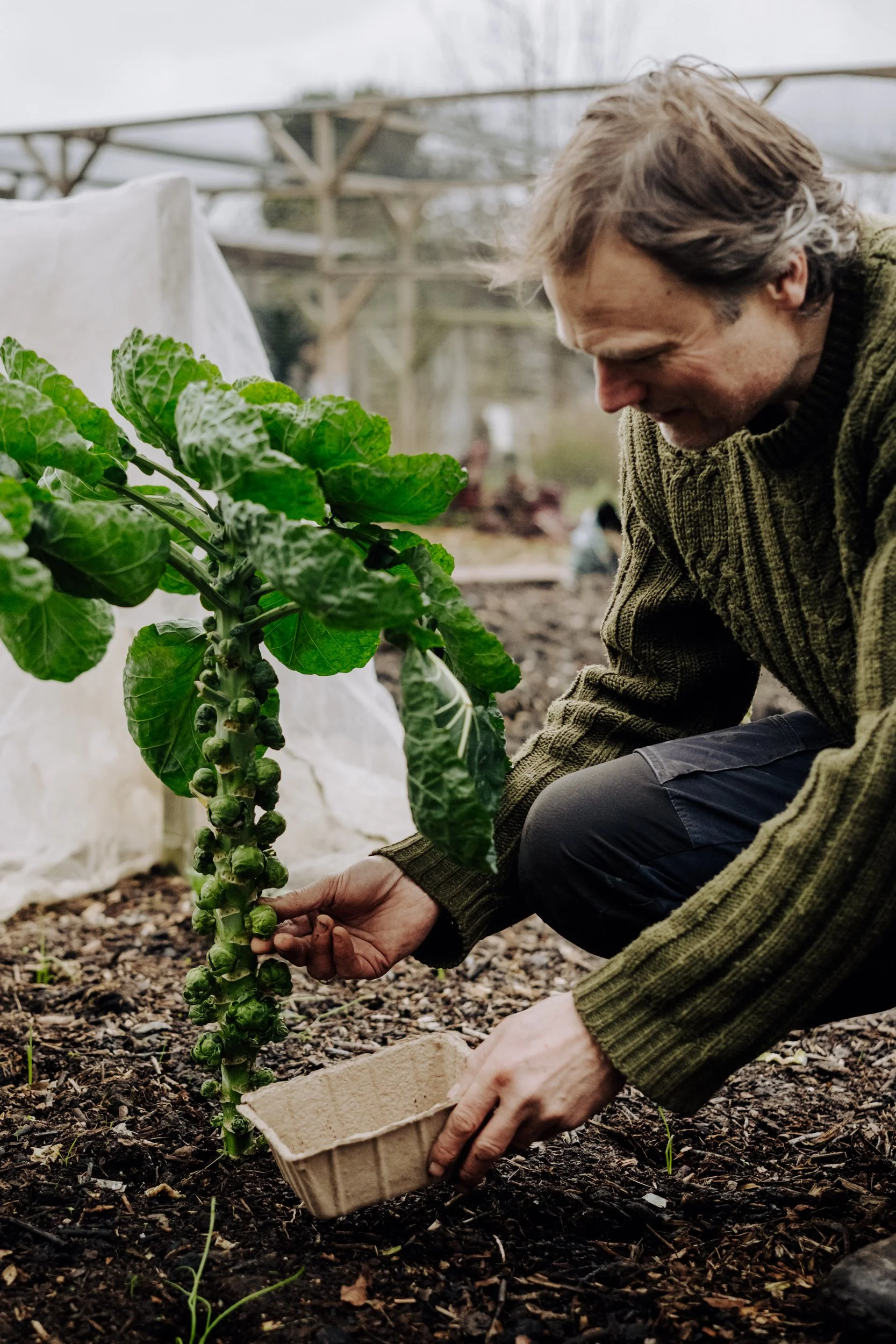
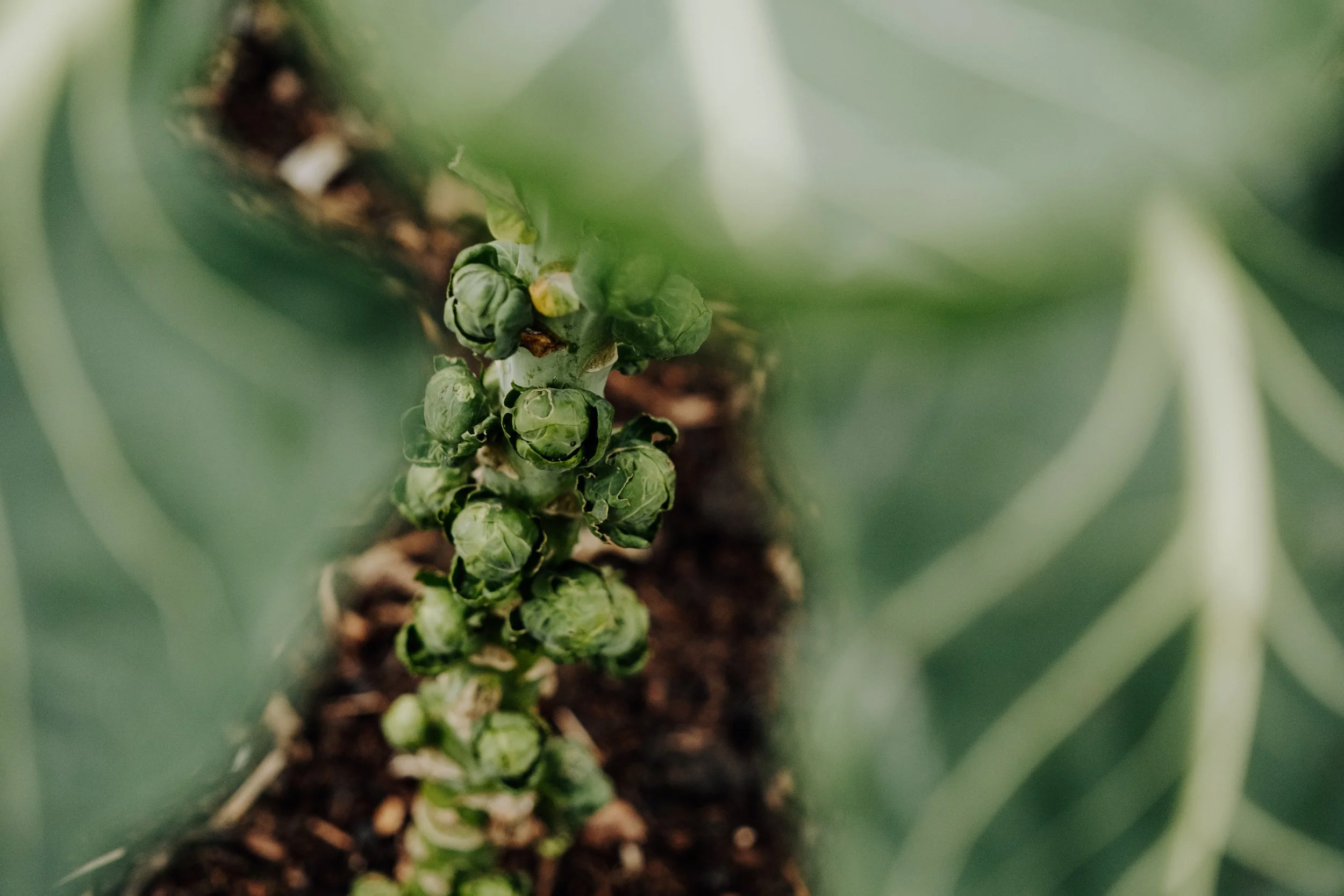
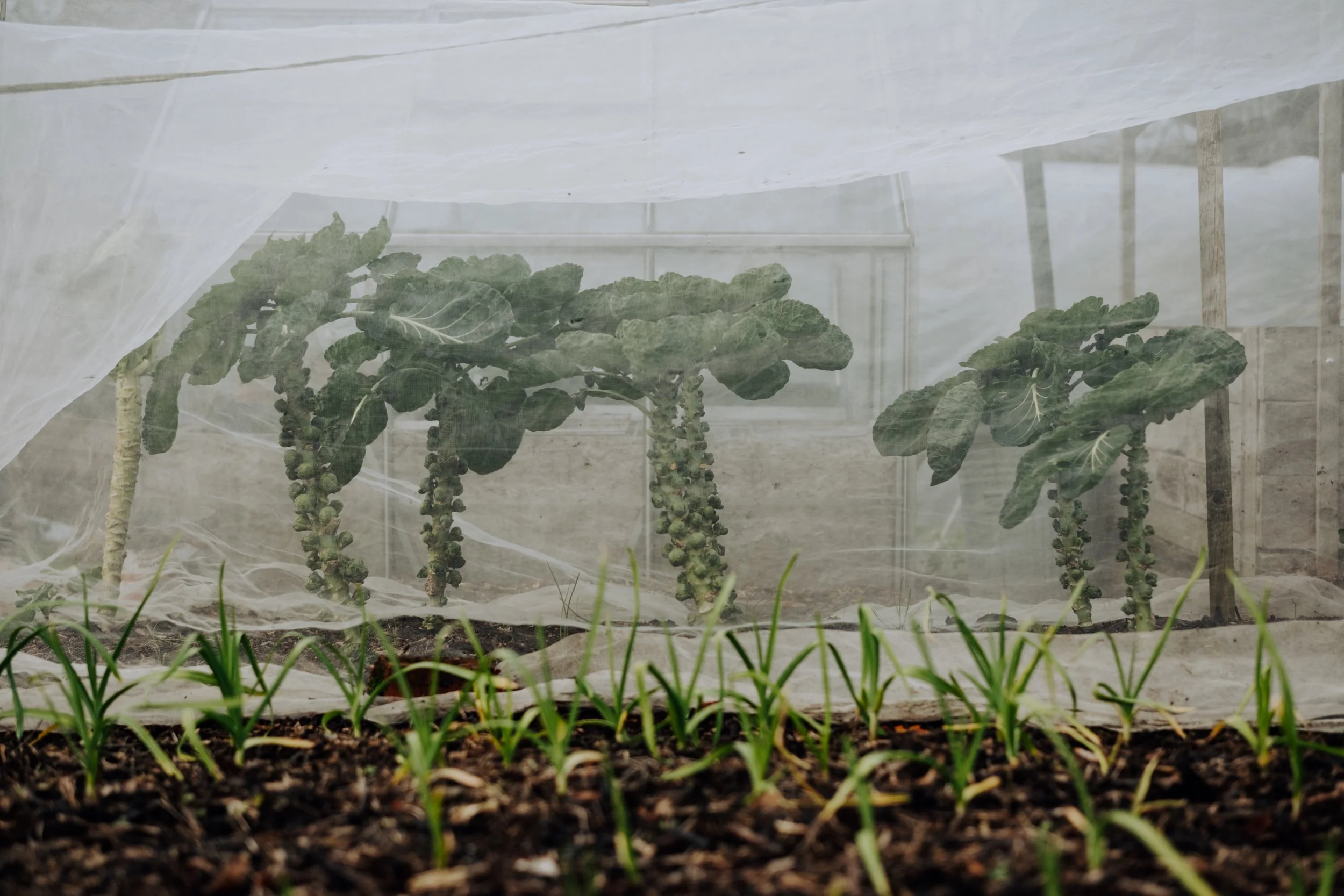
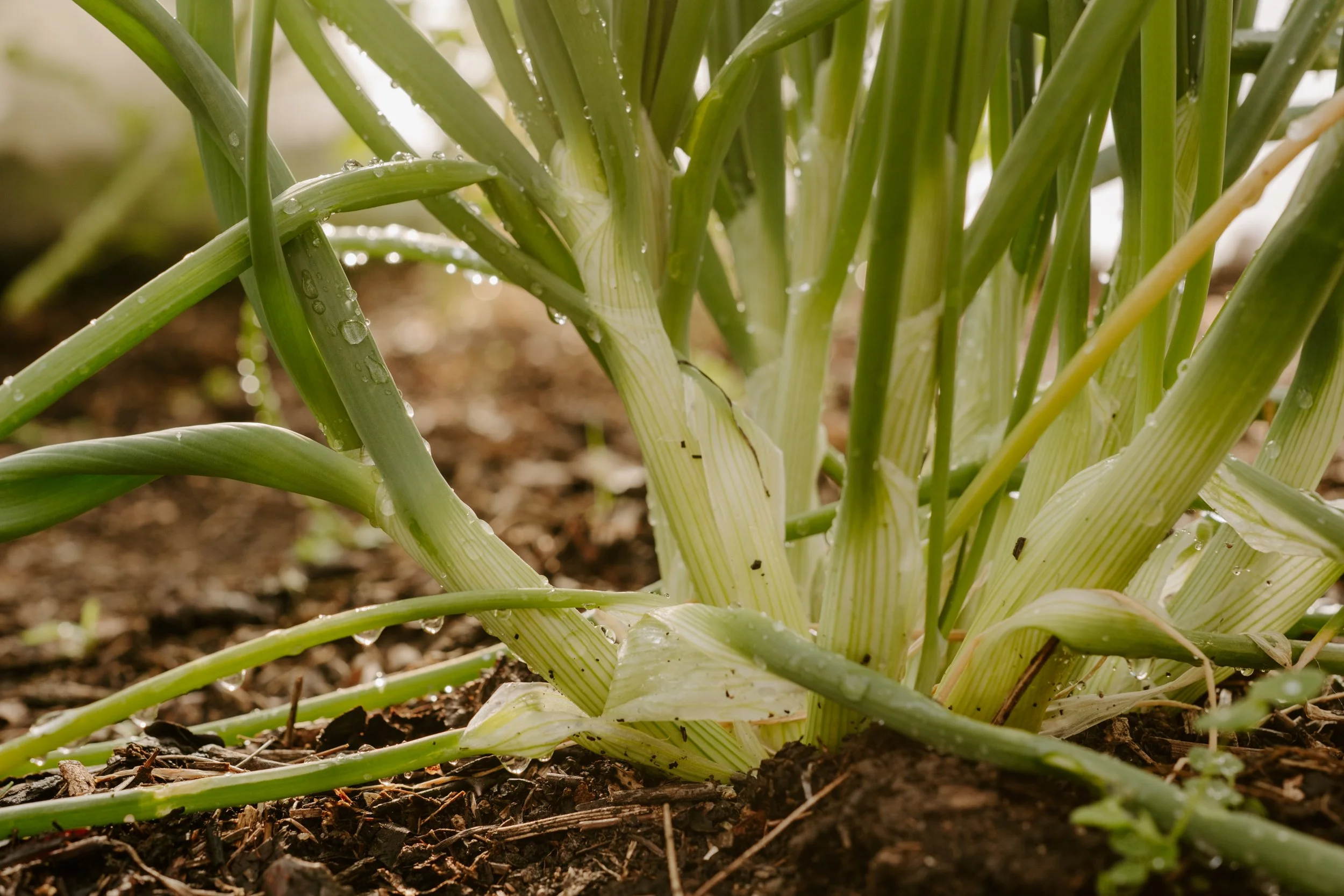
“Brassicas especially, makes the most amazing compost. I strip the lower leaves. Stops the slugs hiding.” Double benefit.
Years of learning, of practice. It shows.
It’s all rhythm, really. Growth and rest.
Before I leave, he spreads another layer of compost - slow and deliberate. The final act before winter sets in.
“Feed the ground,” he says quietly. “And the ground feeds you.”