Behind the Craft
Pilsner Urquell
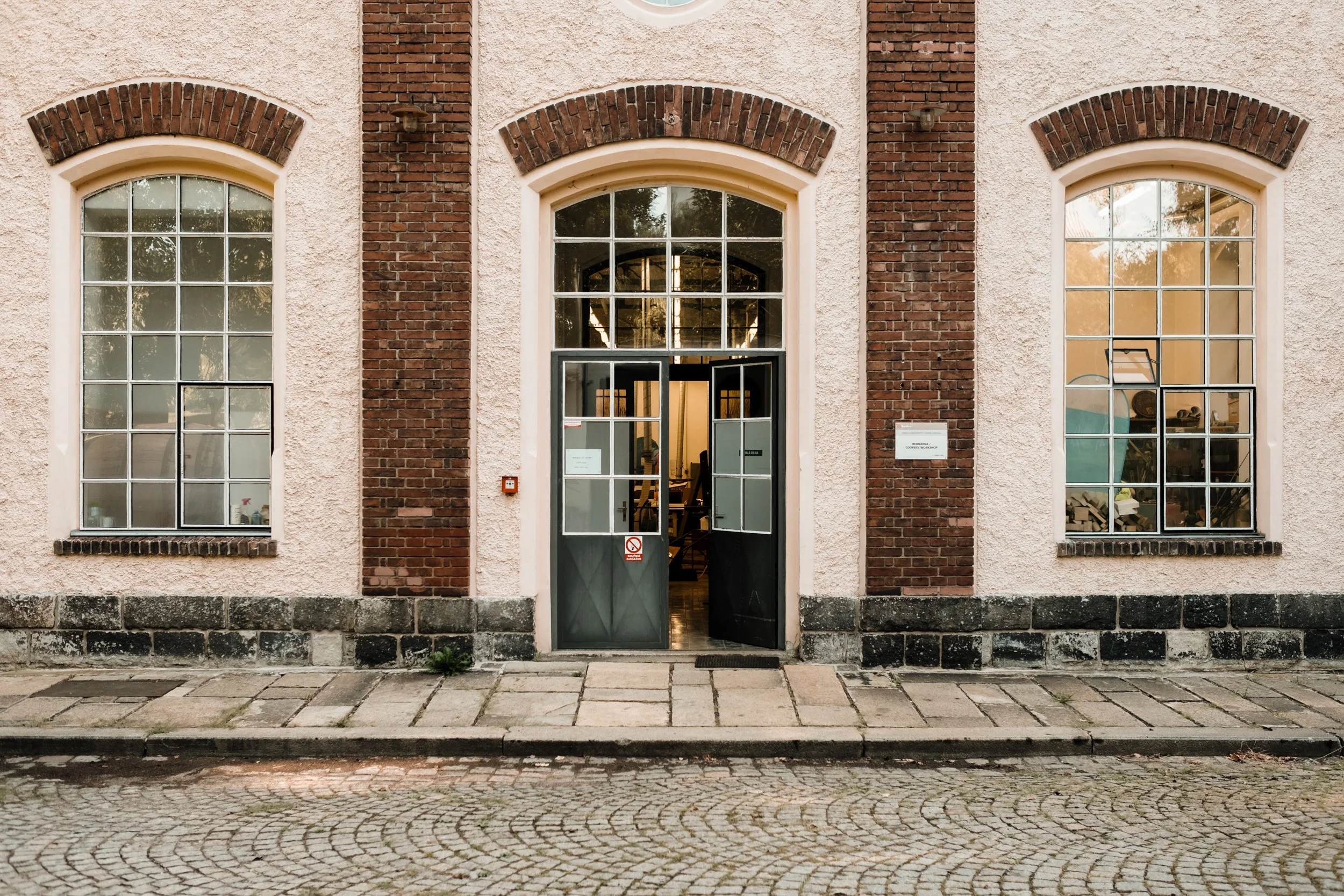
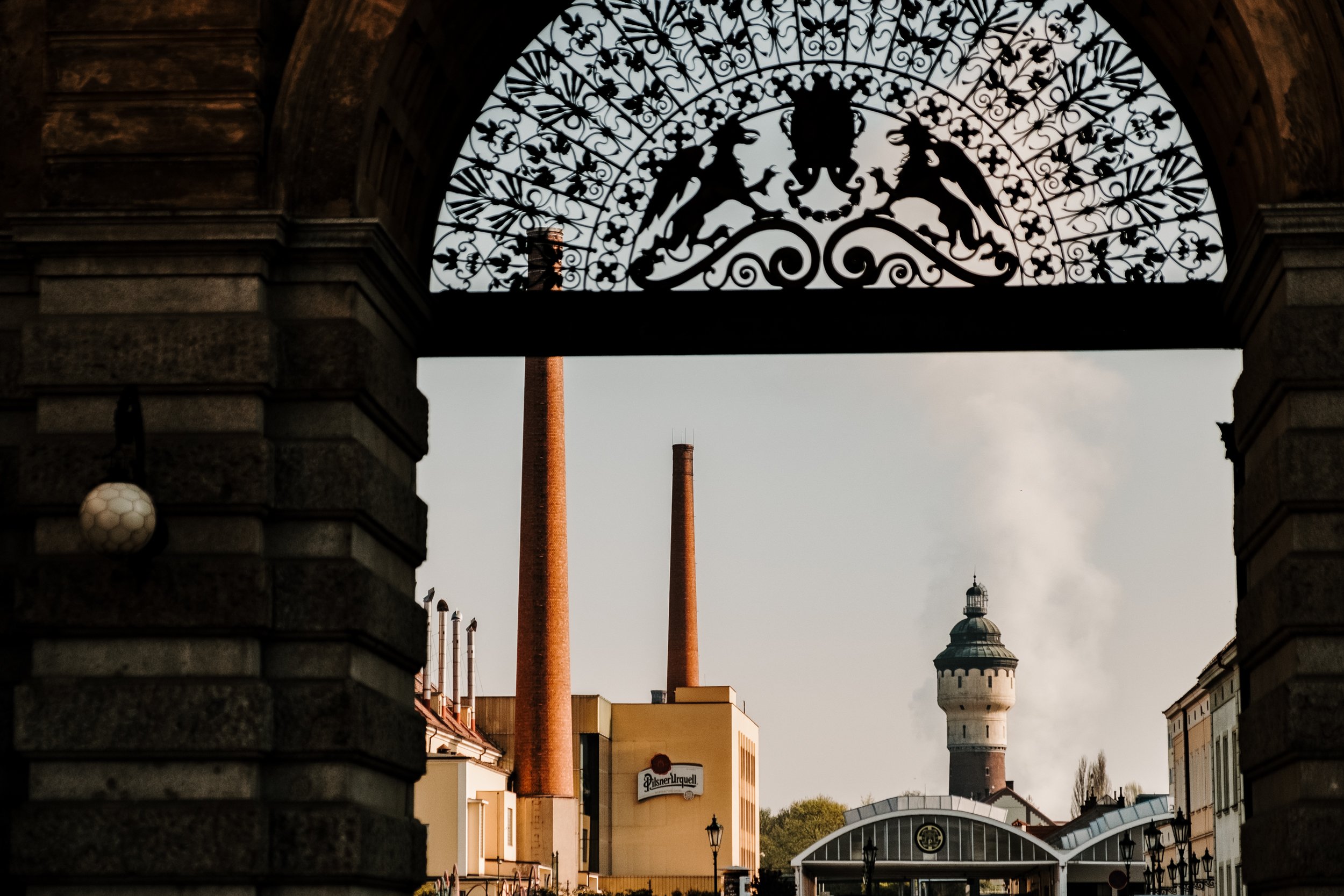
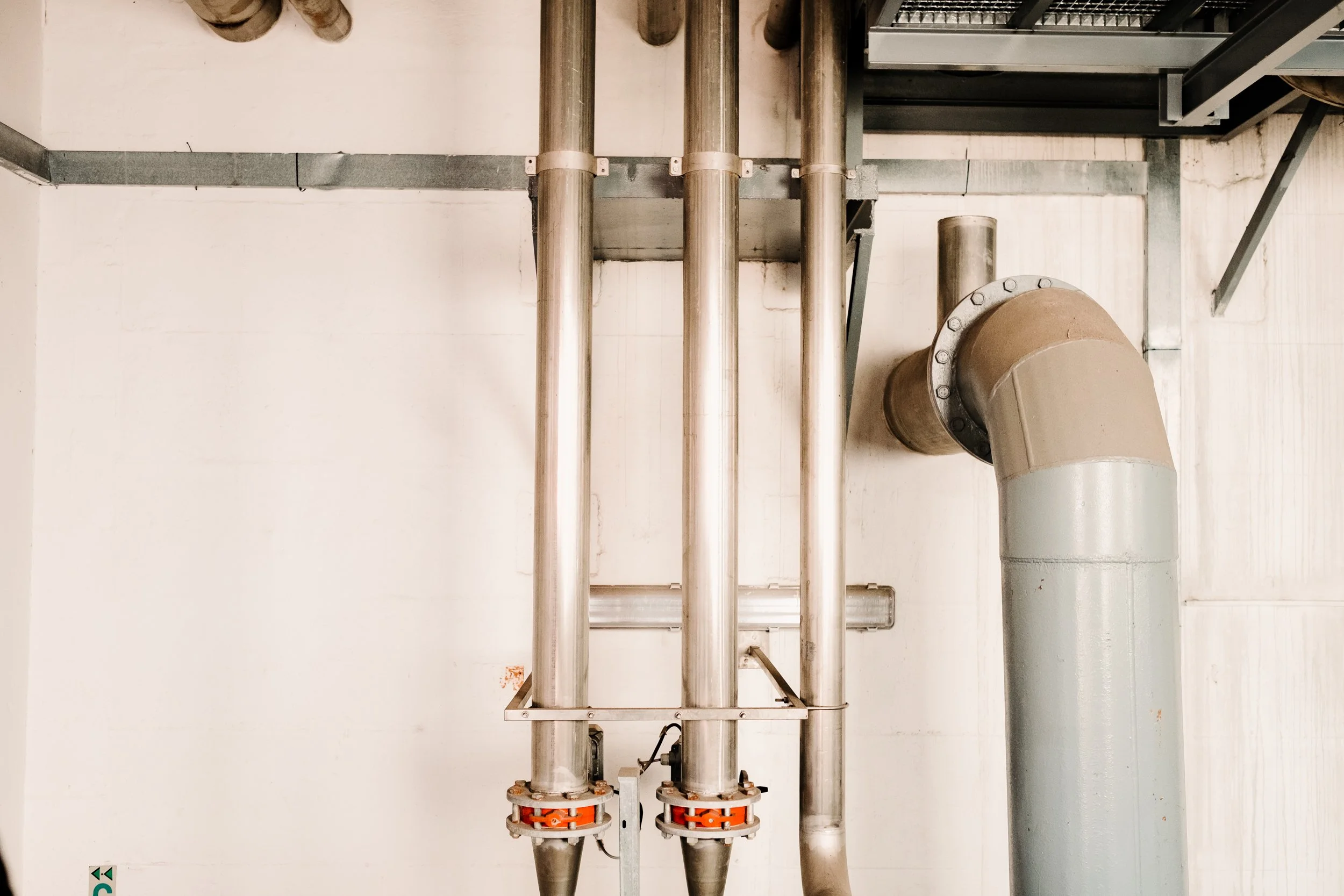
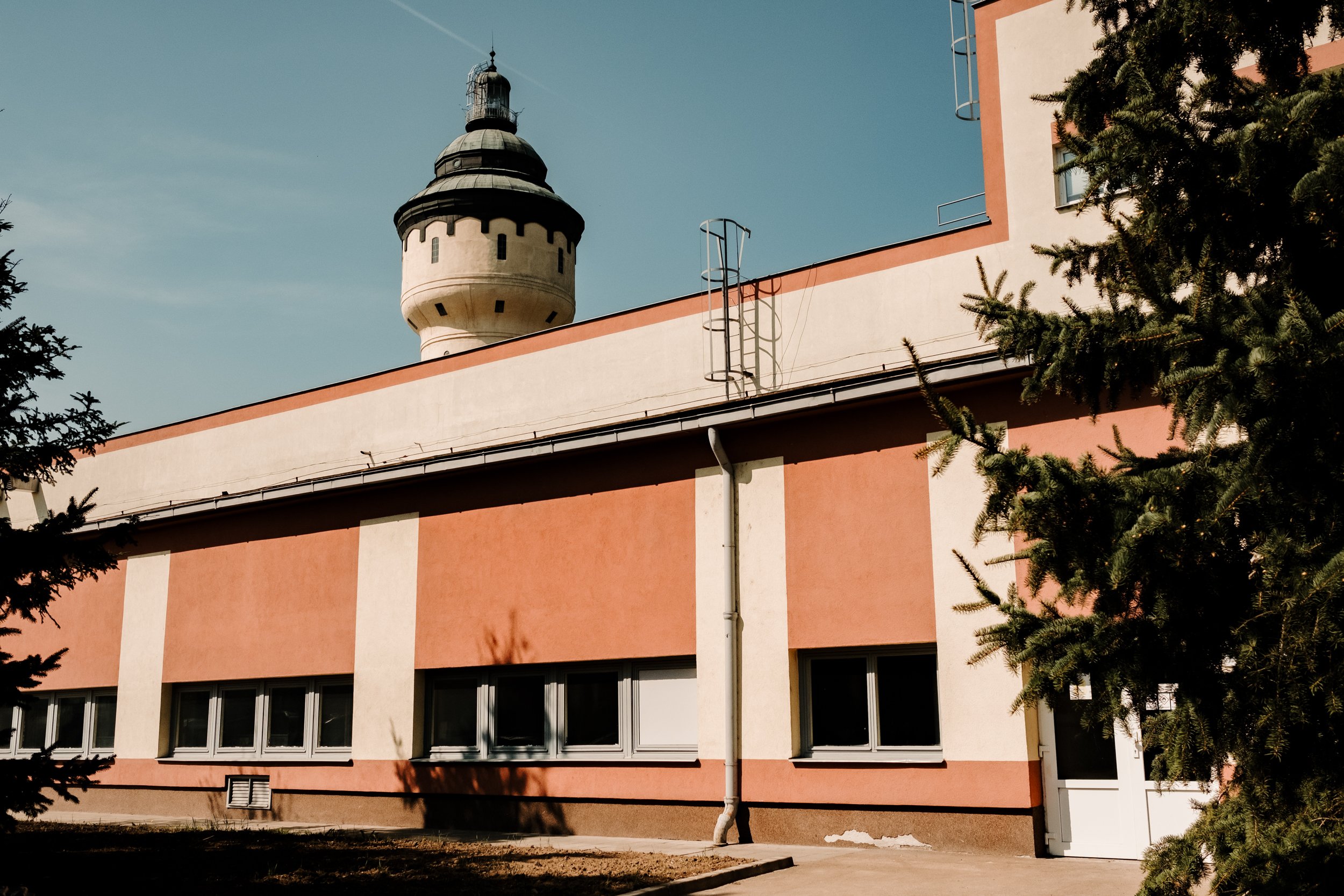
Behind the beautiful gates of Pilsner Urquell in Pilsen, Czech Republic, you find the offices, the tank bars and the visitor centre. Dig a little deeper and you reach the merchandise shop.
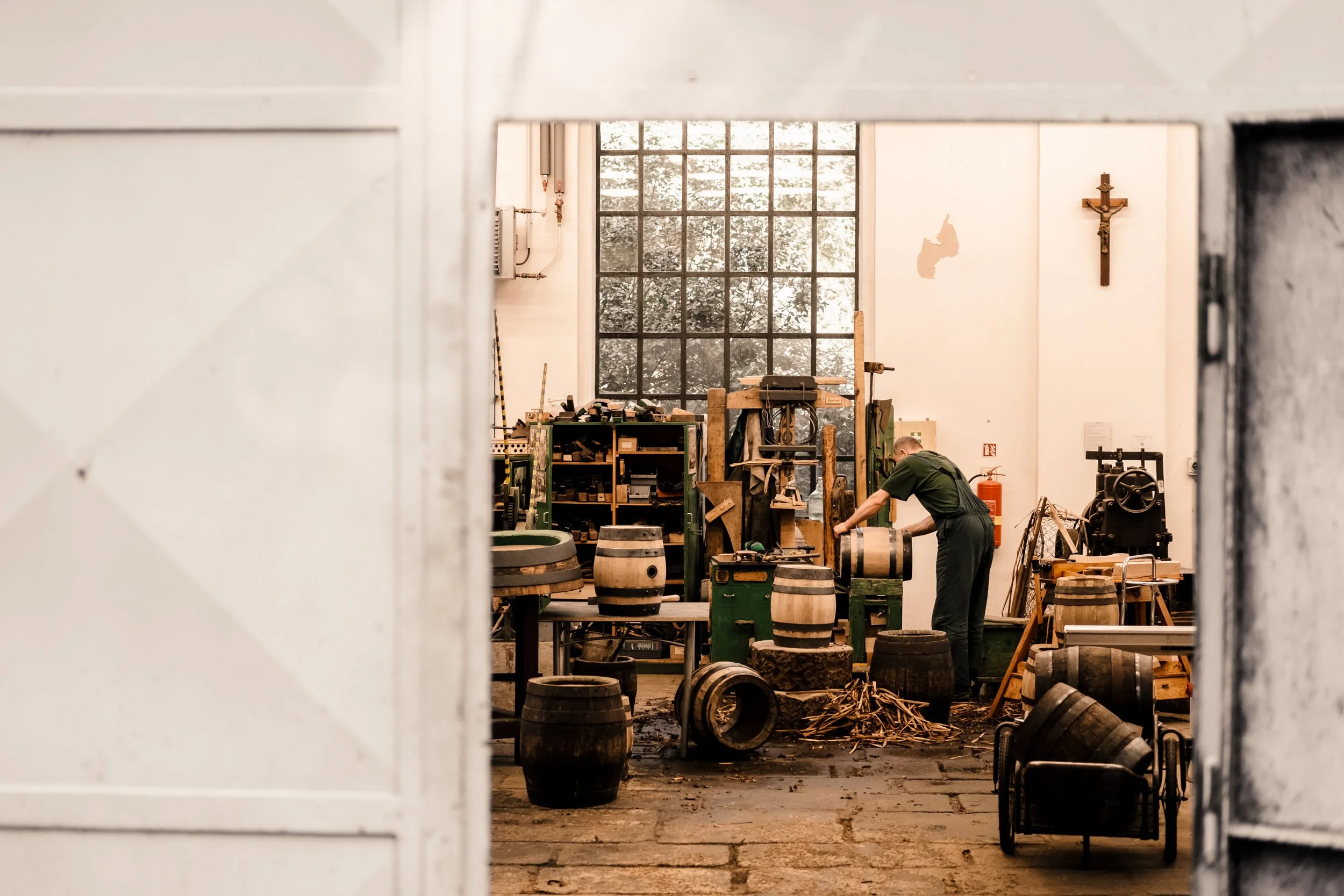
But get behind the gates, as I did on one of my many shoots at the brewery, and you find the good stuff.
This is not the polished side of a brand. It is not the version shaped for advertising or the kind of picture the marketing people usually want to put out into the world.
And that is exactly why I like it.
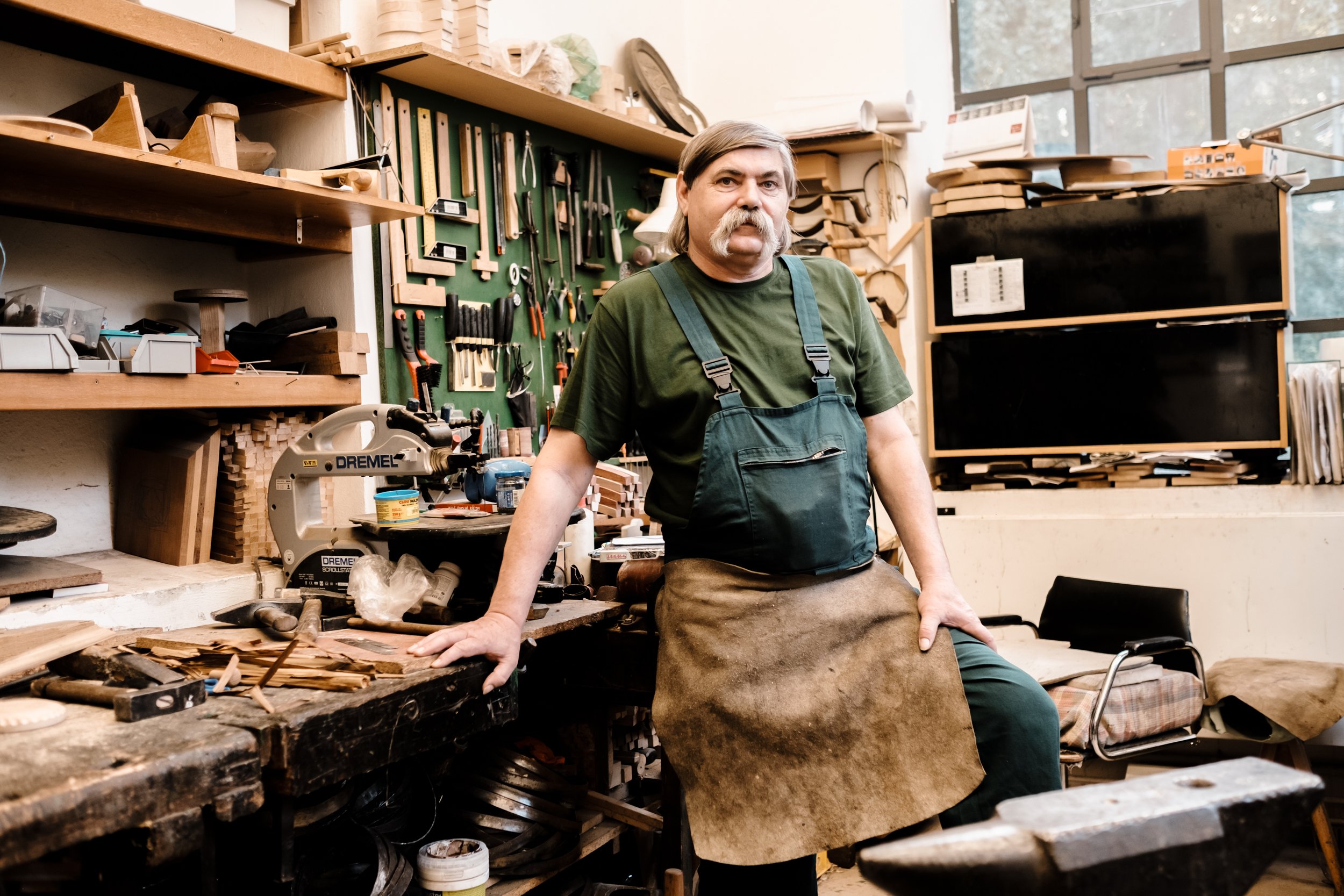
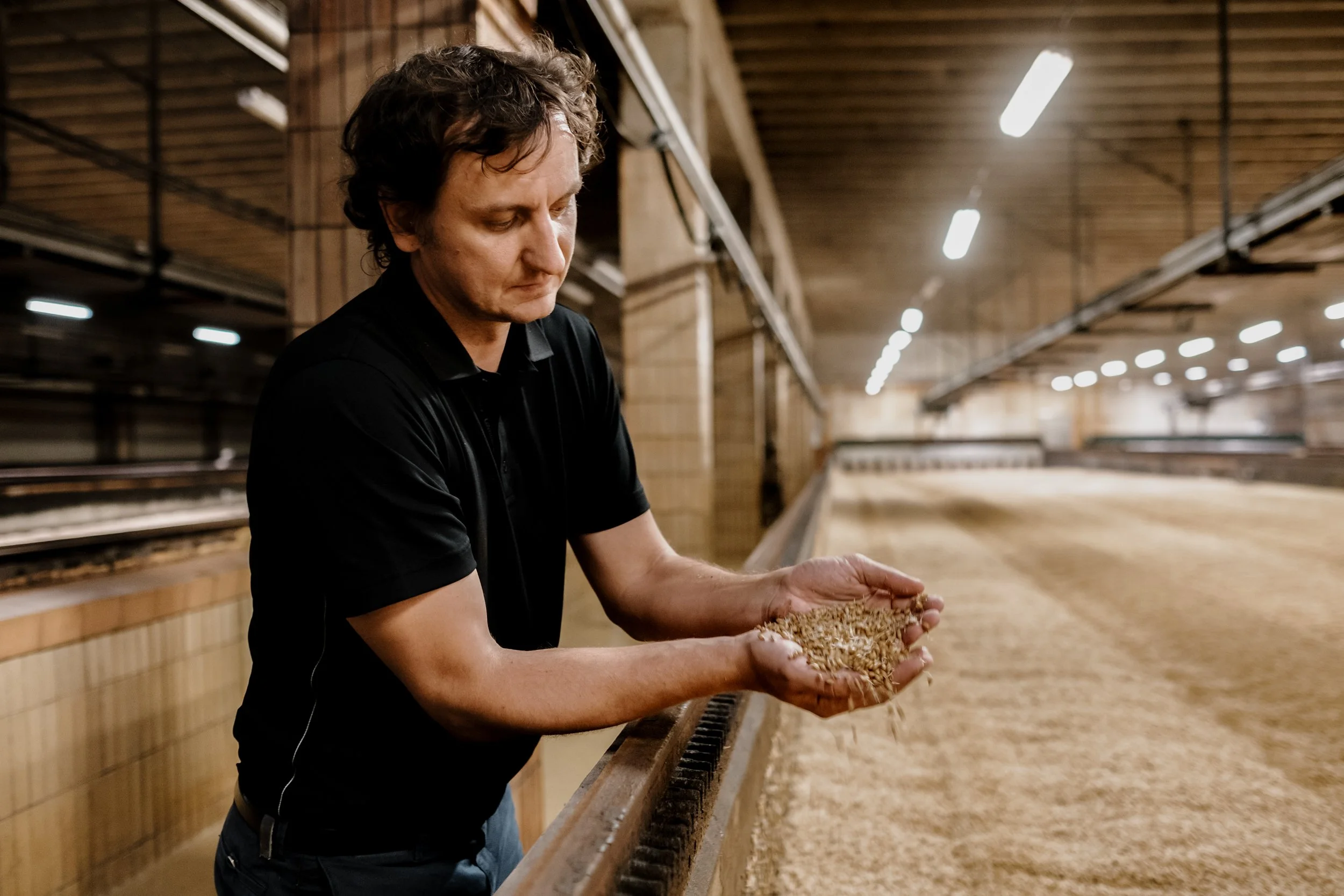
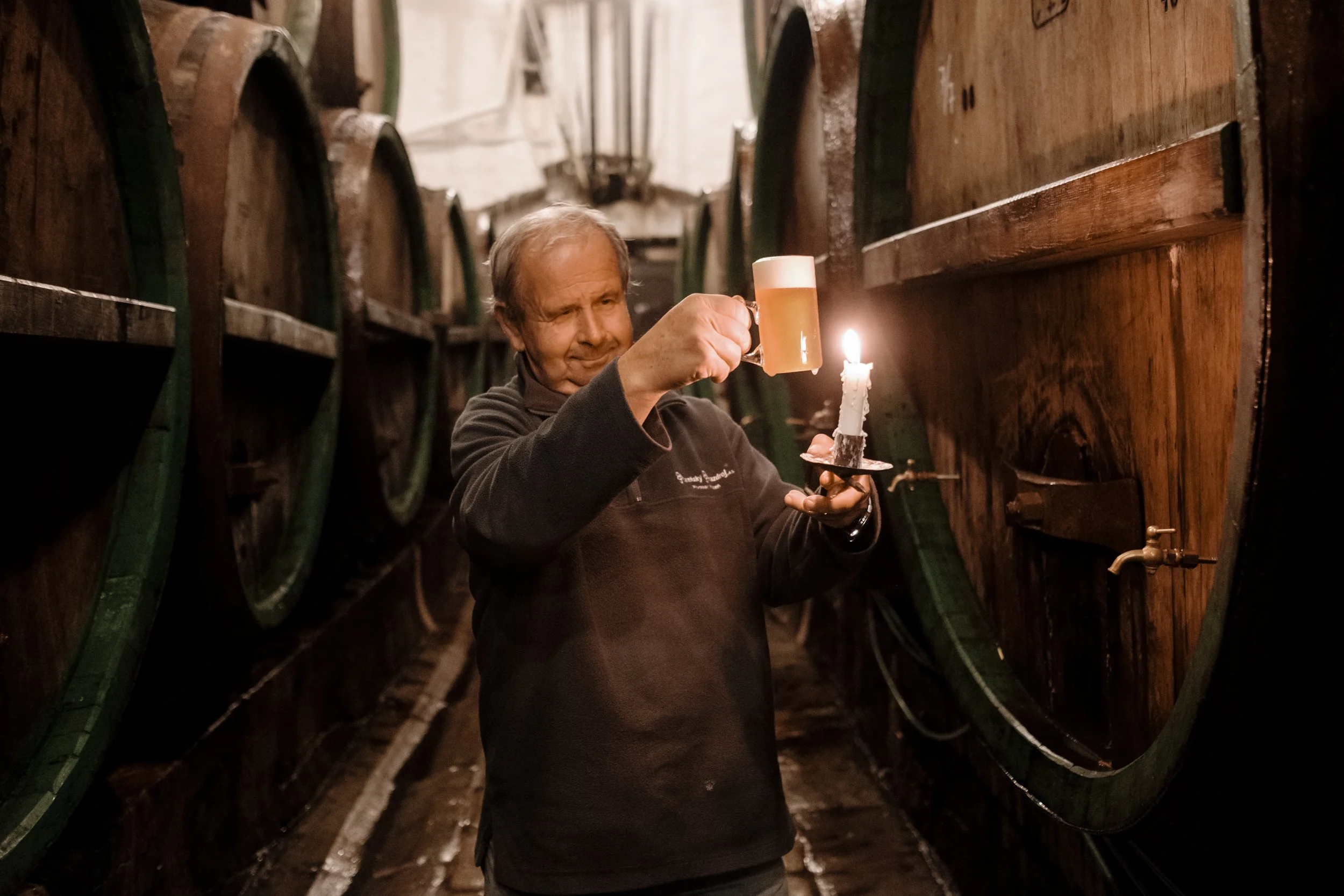
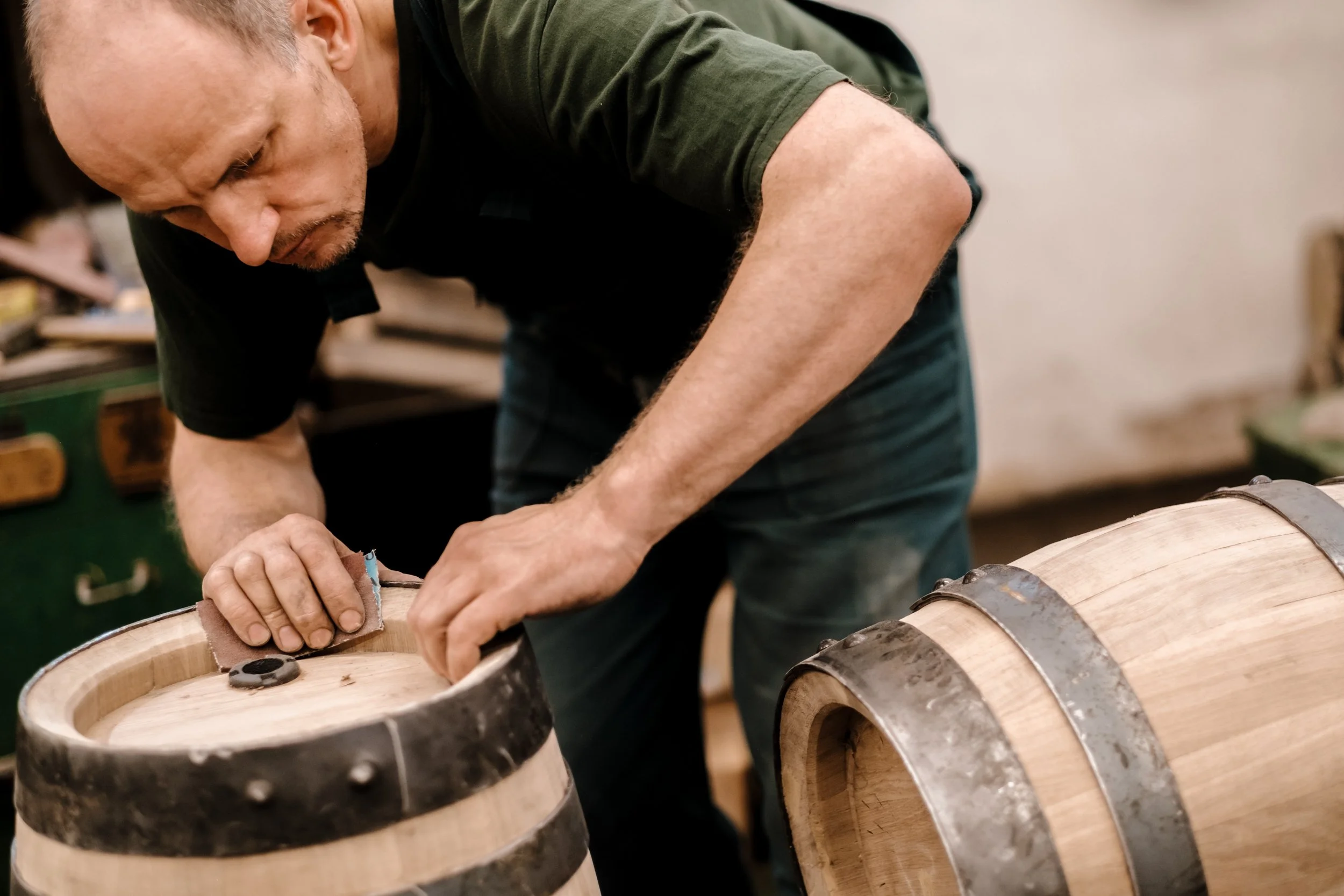
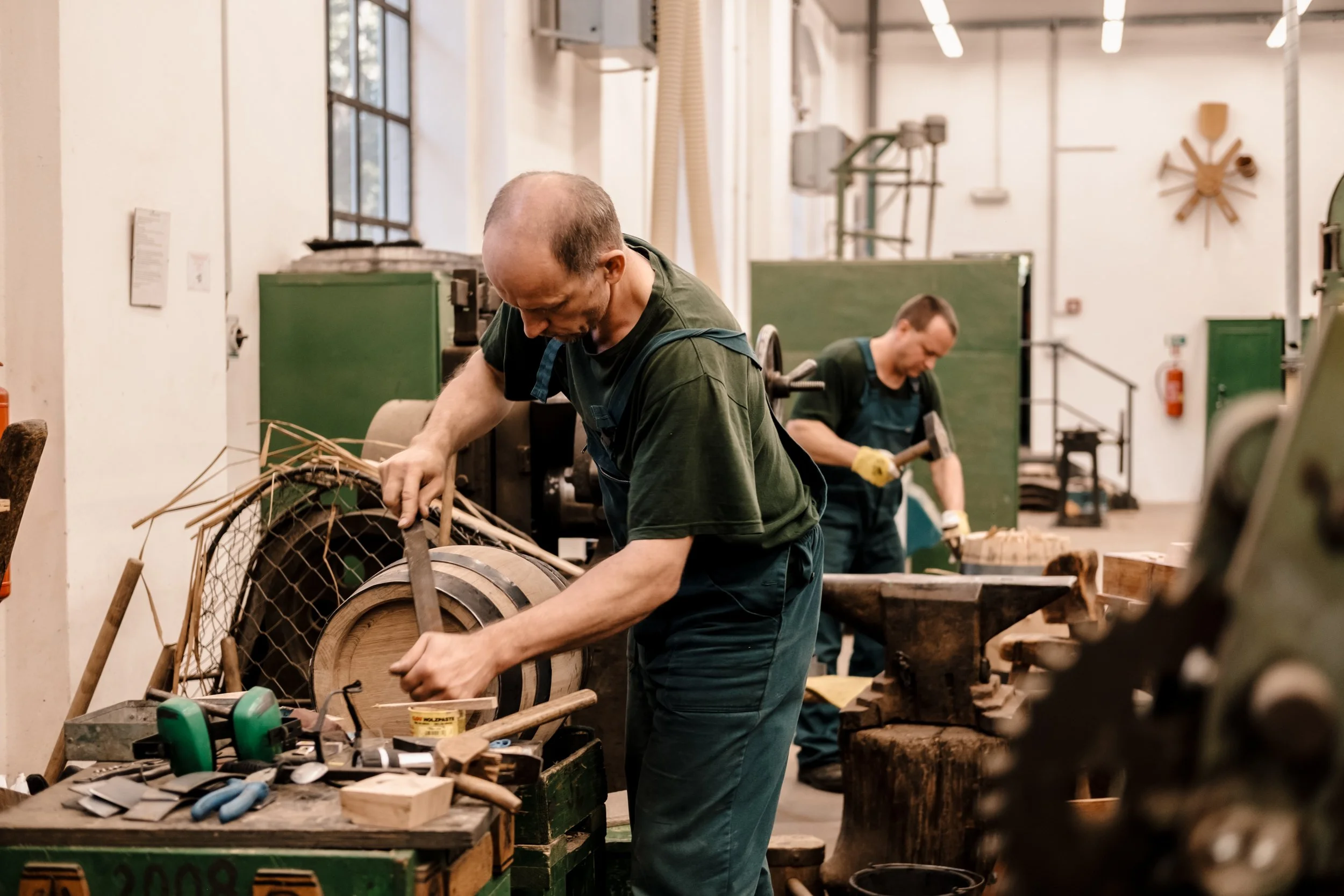
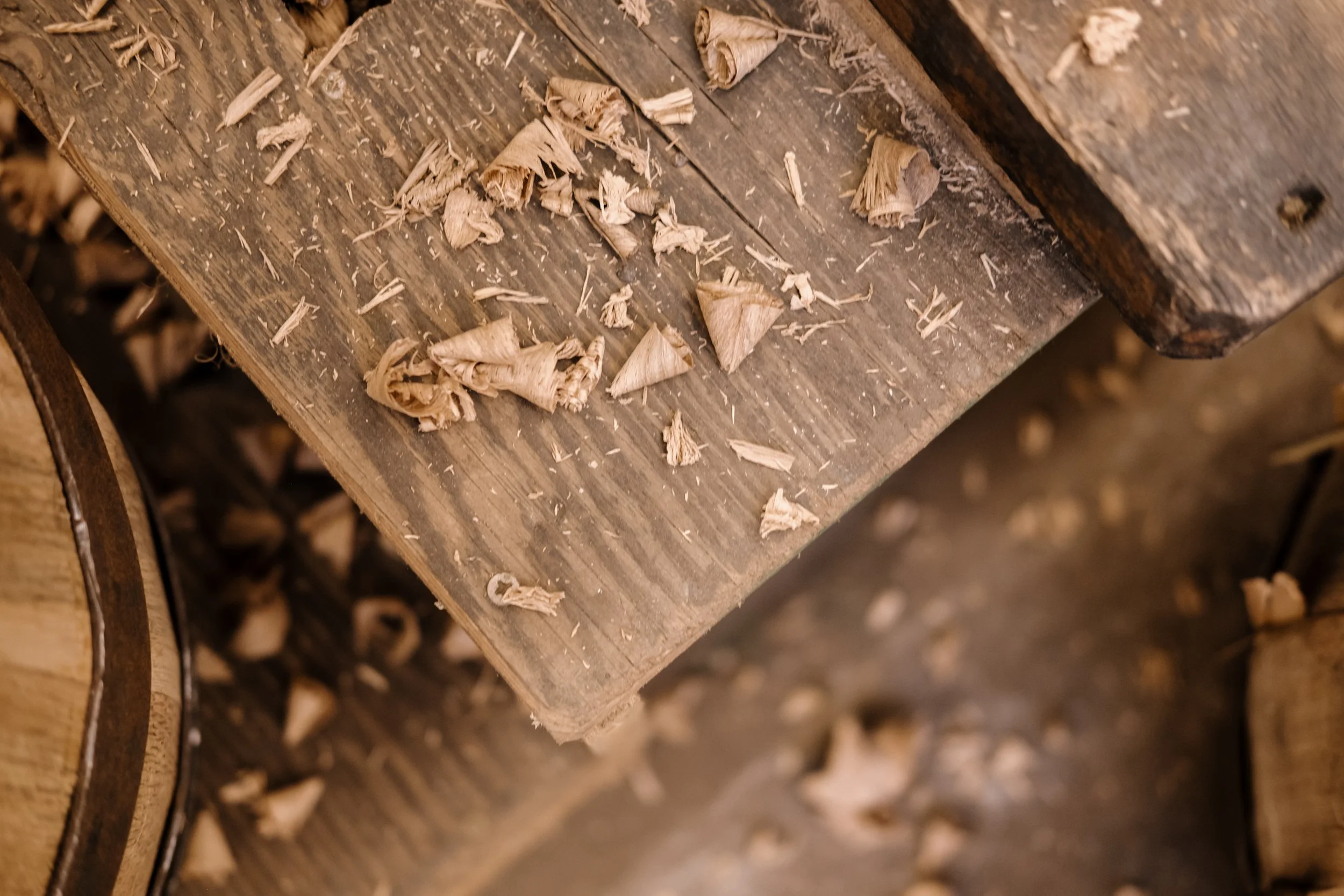
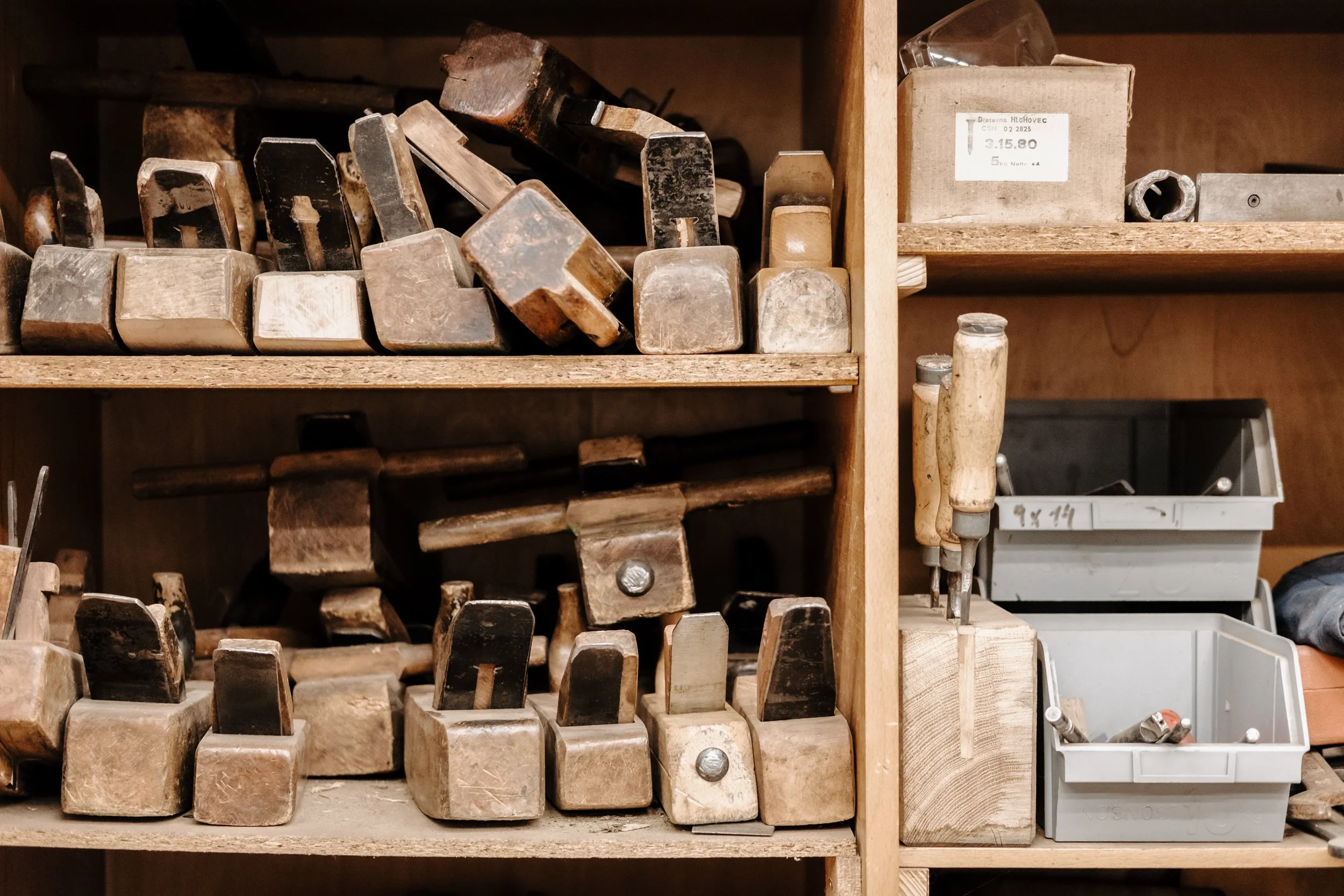
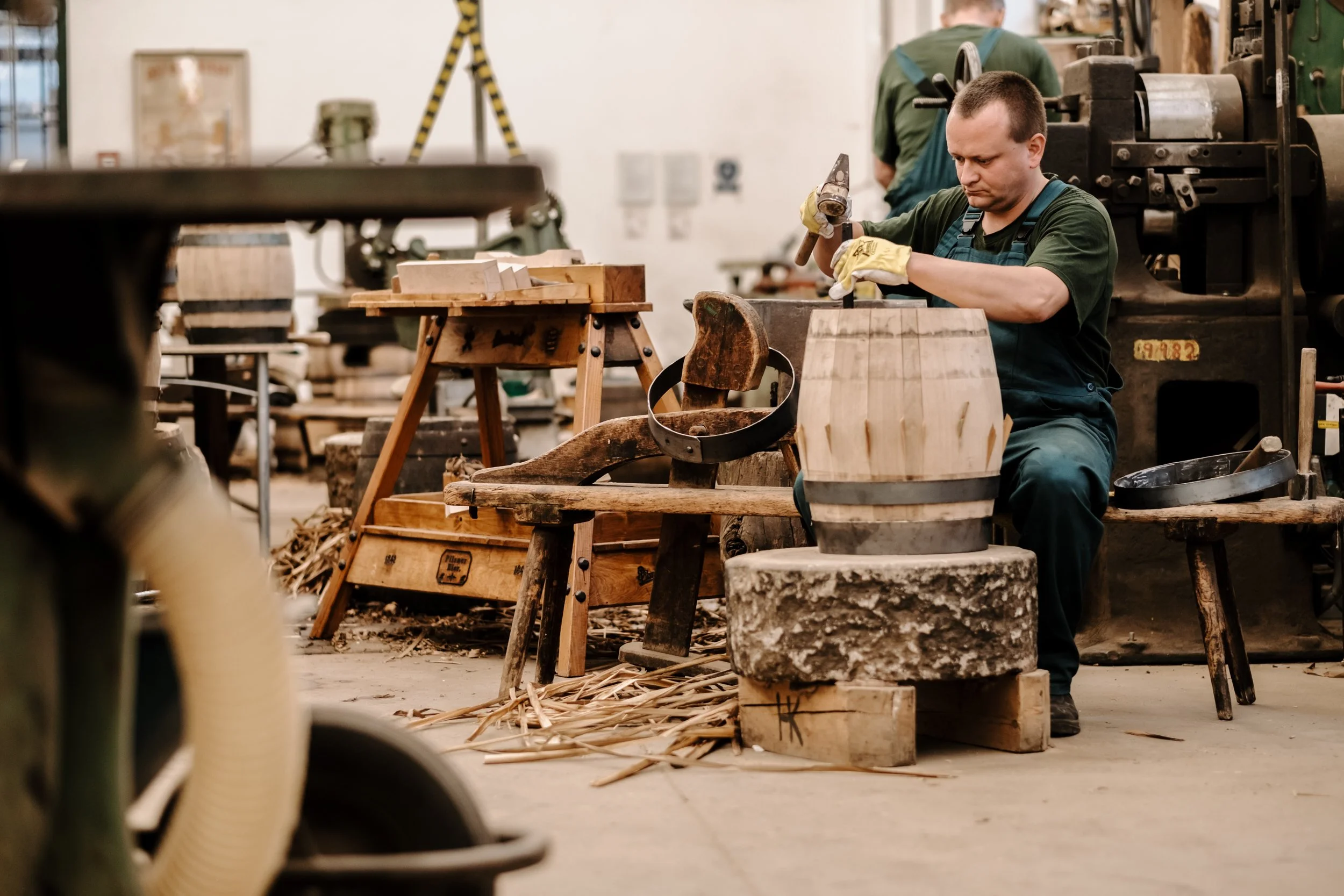
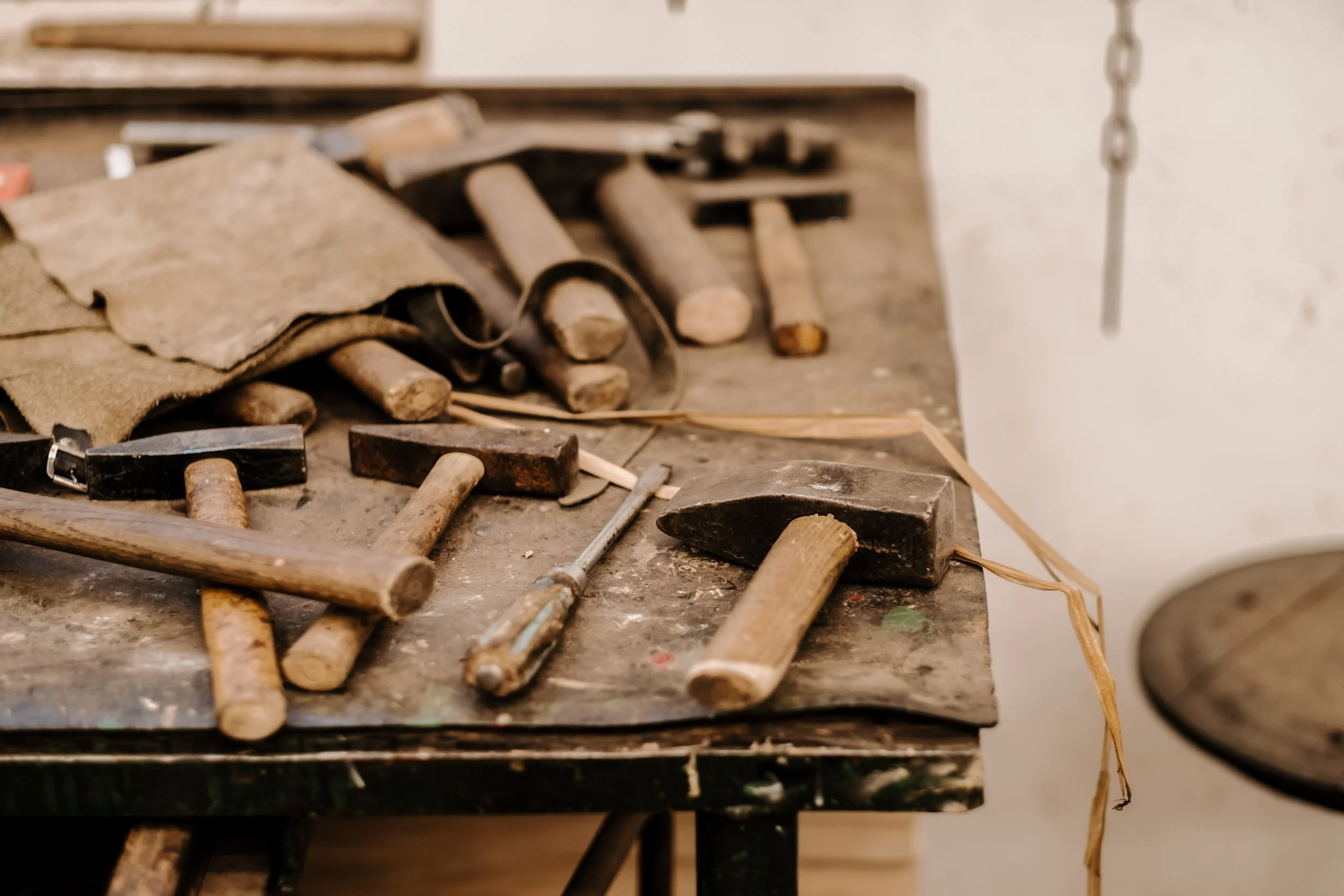
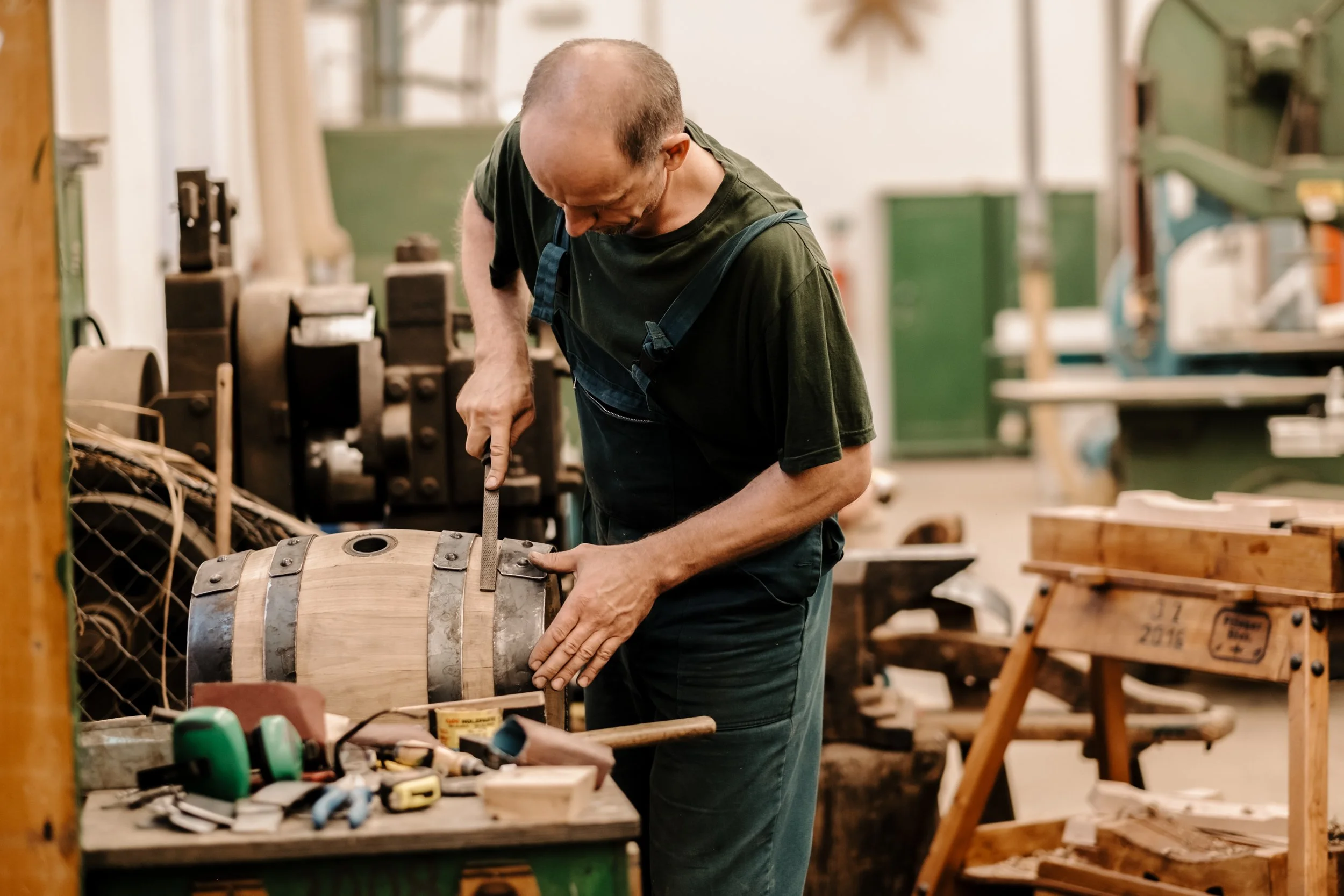
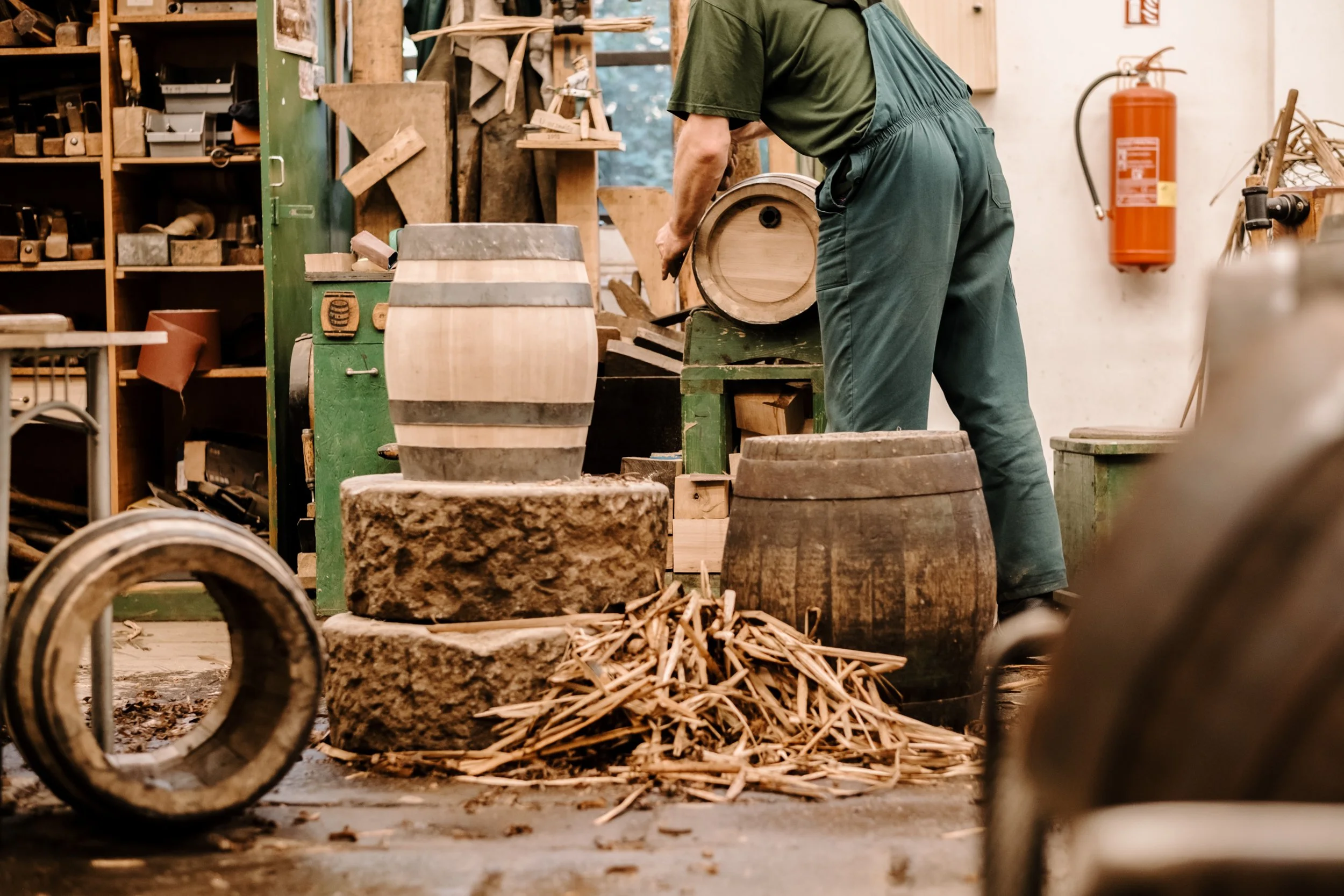
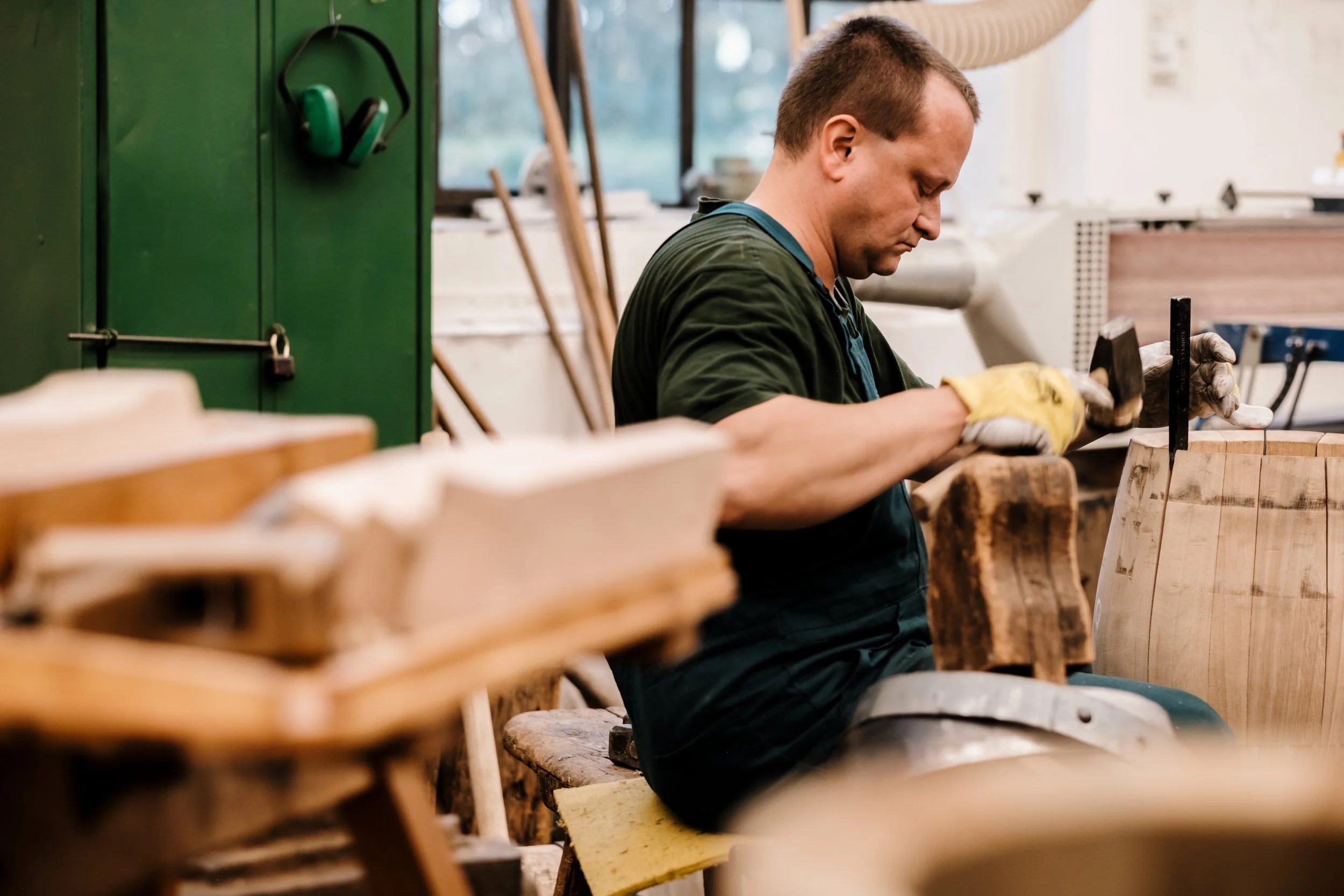
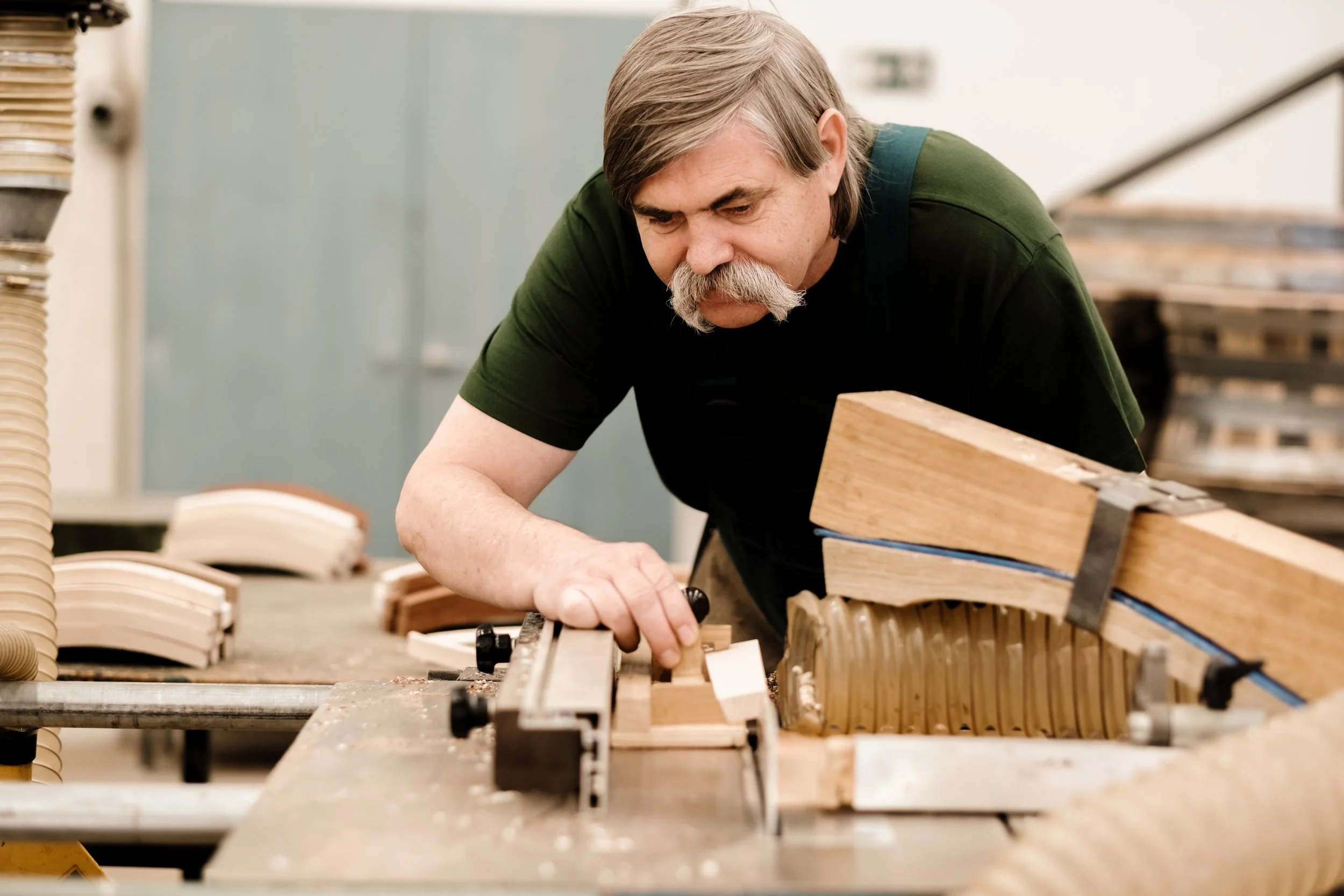
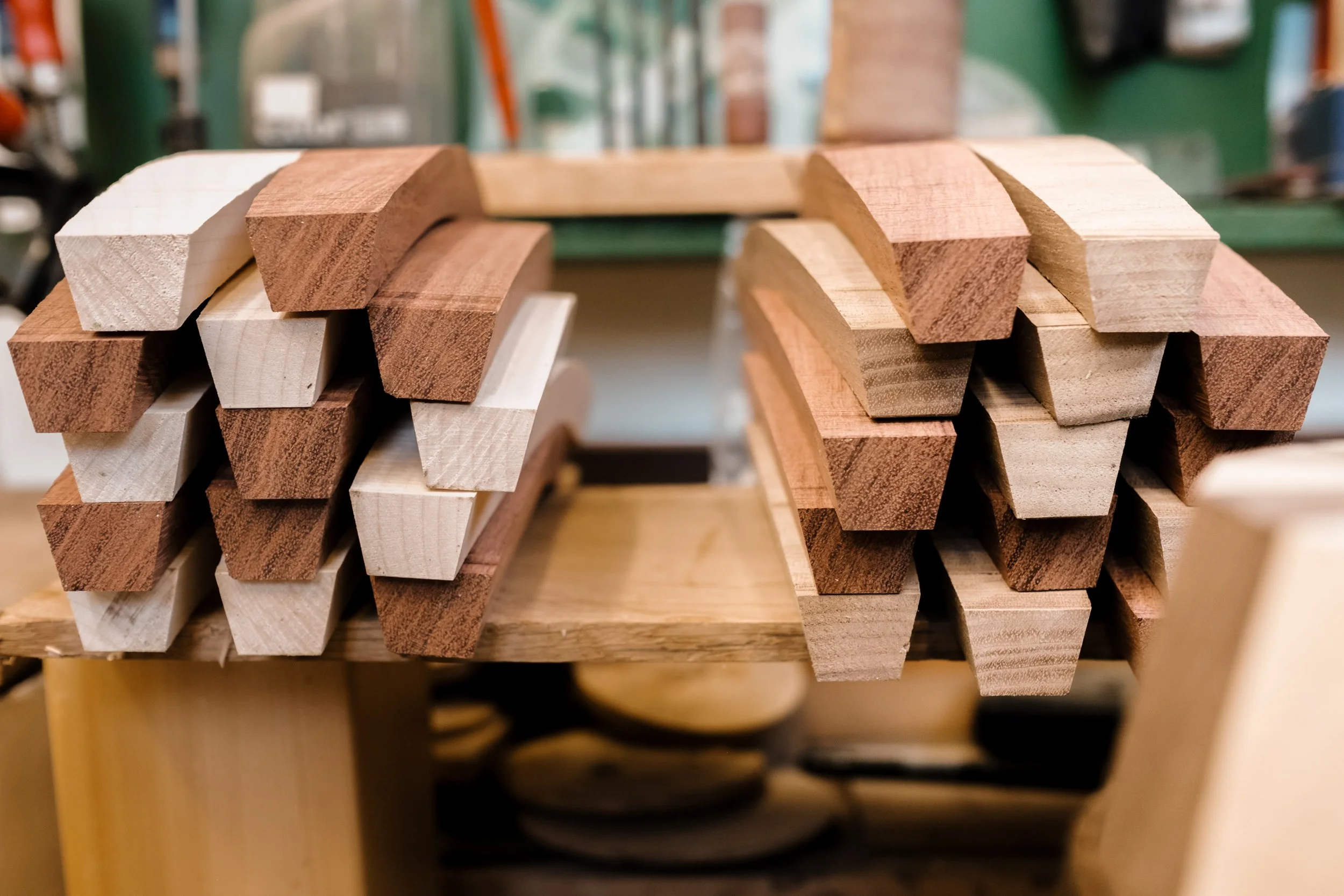
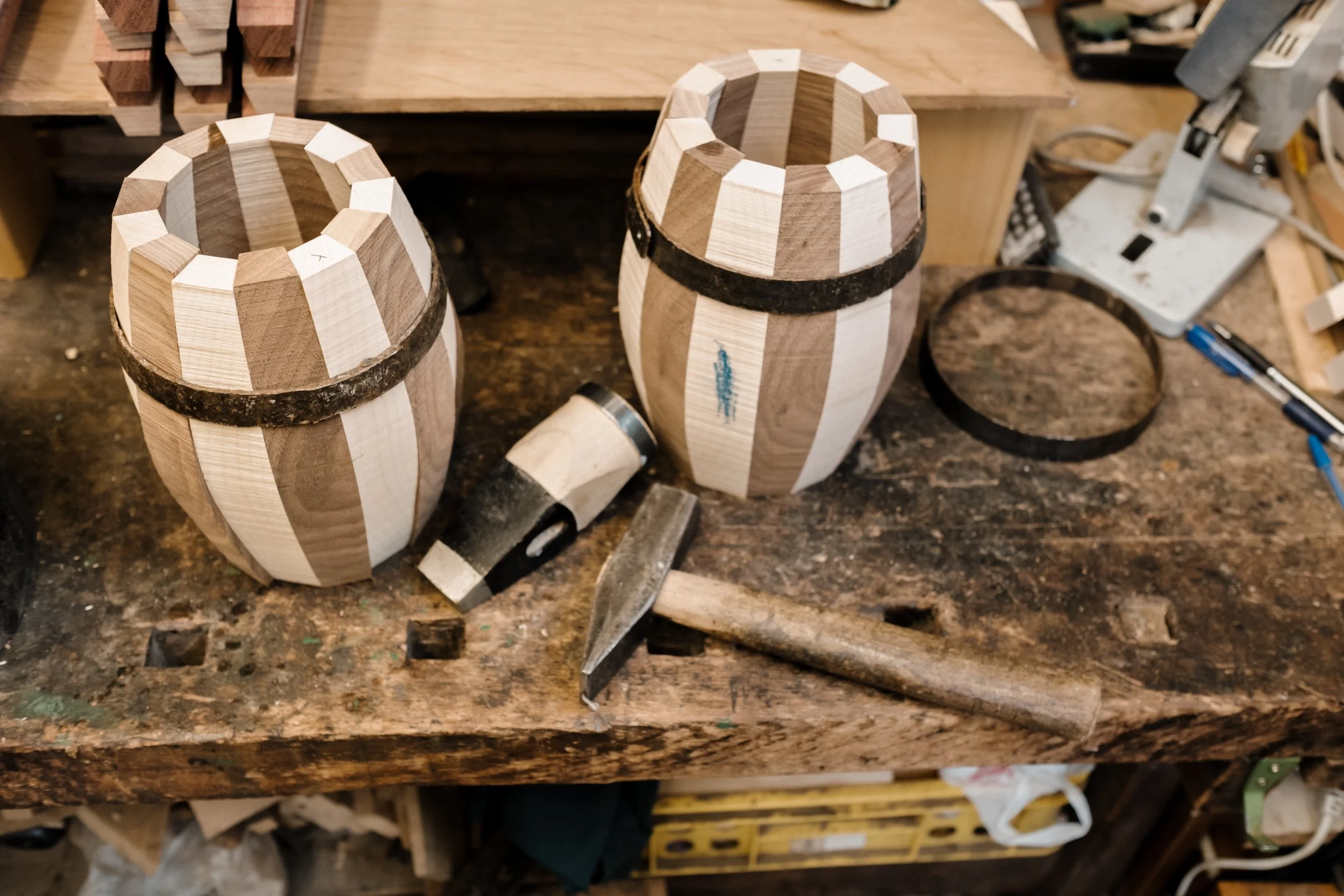
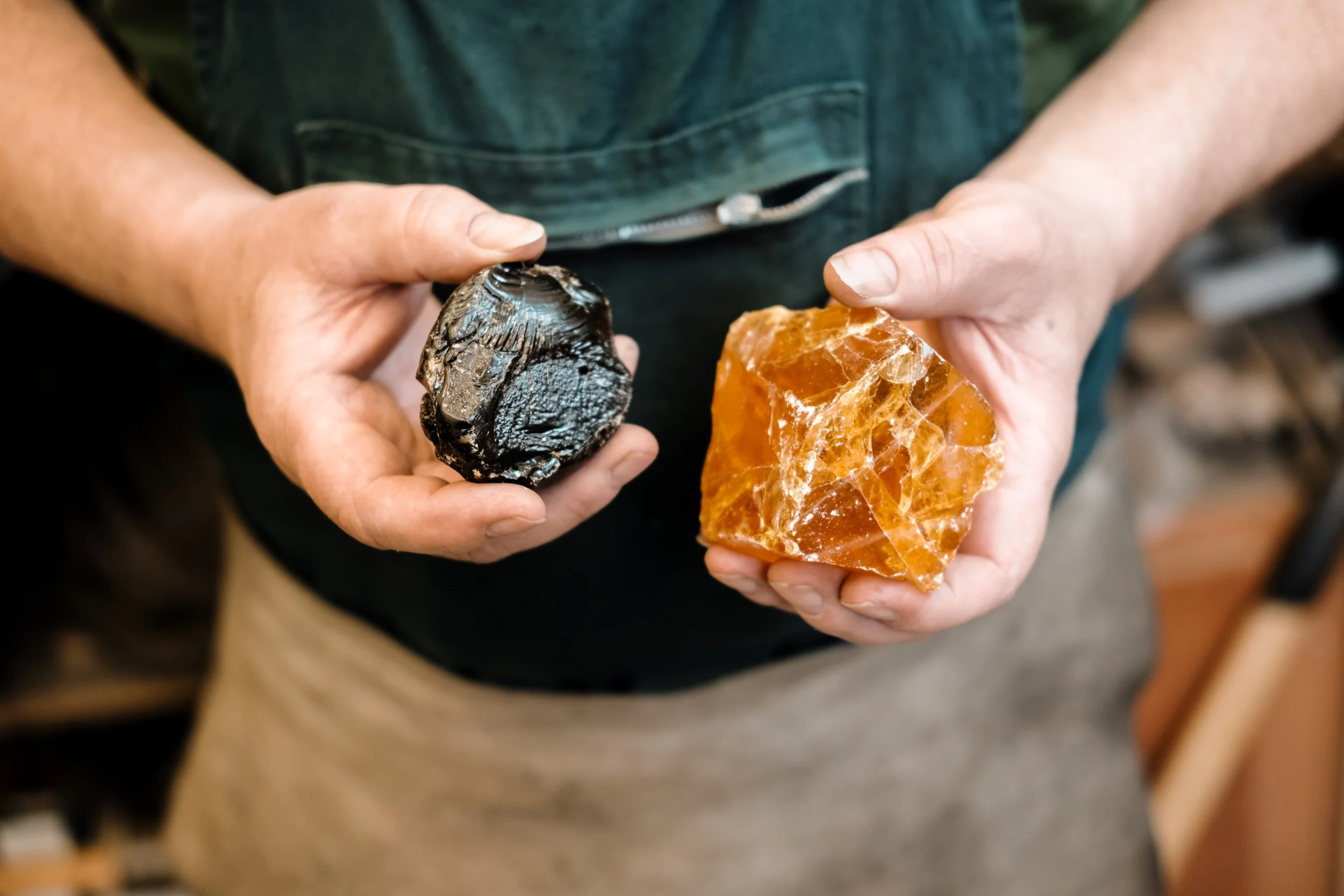
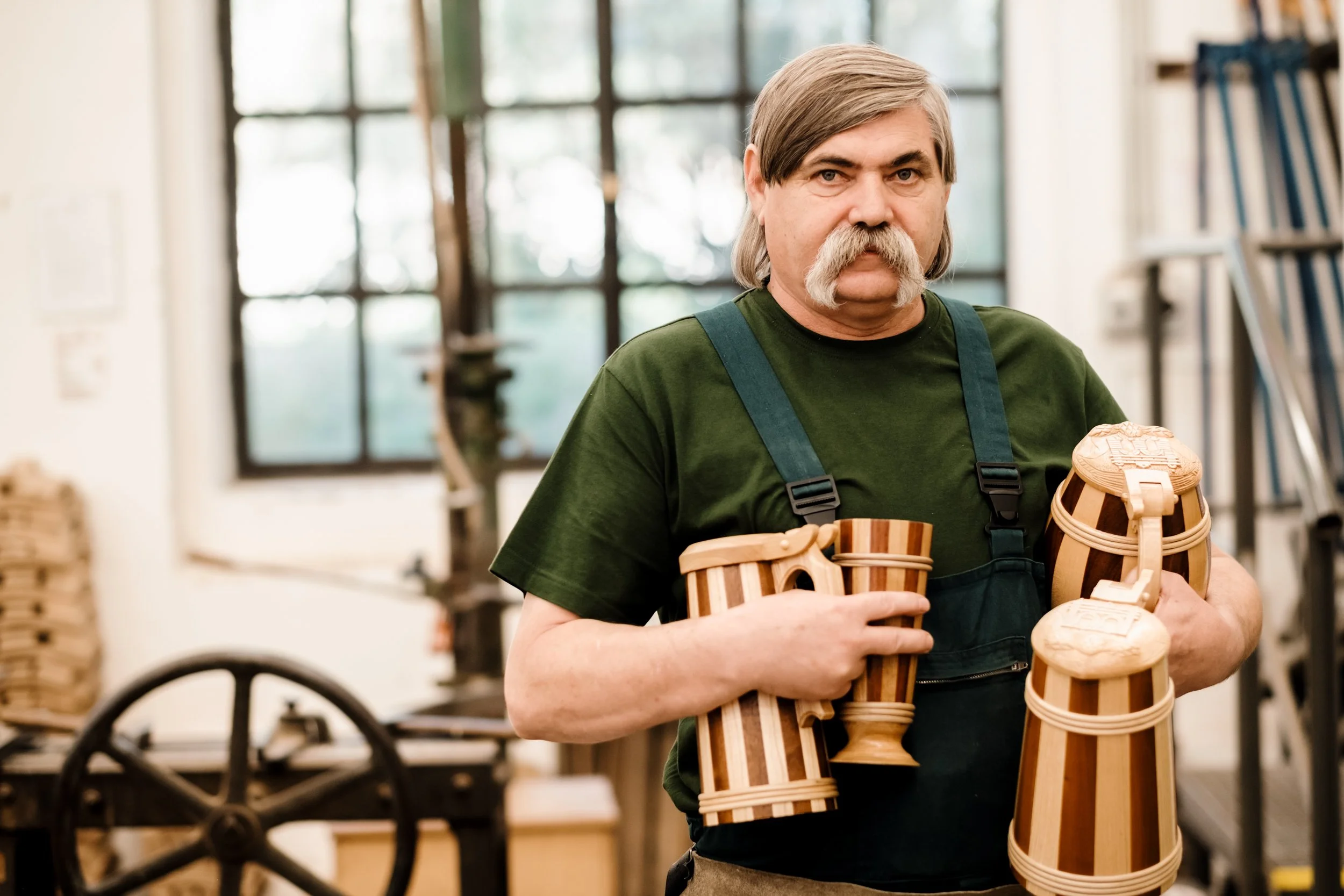
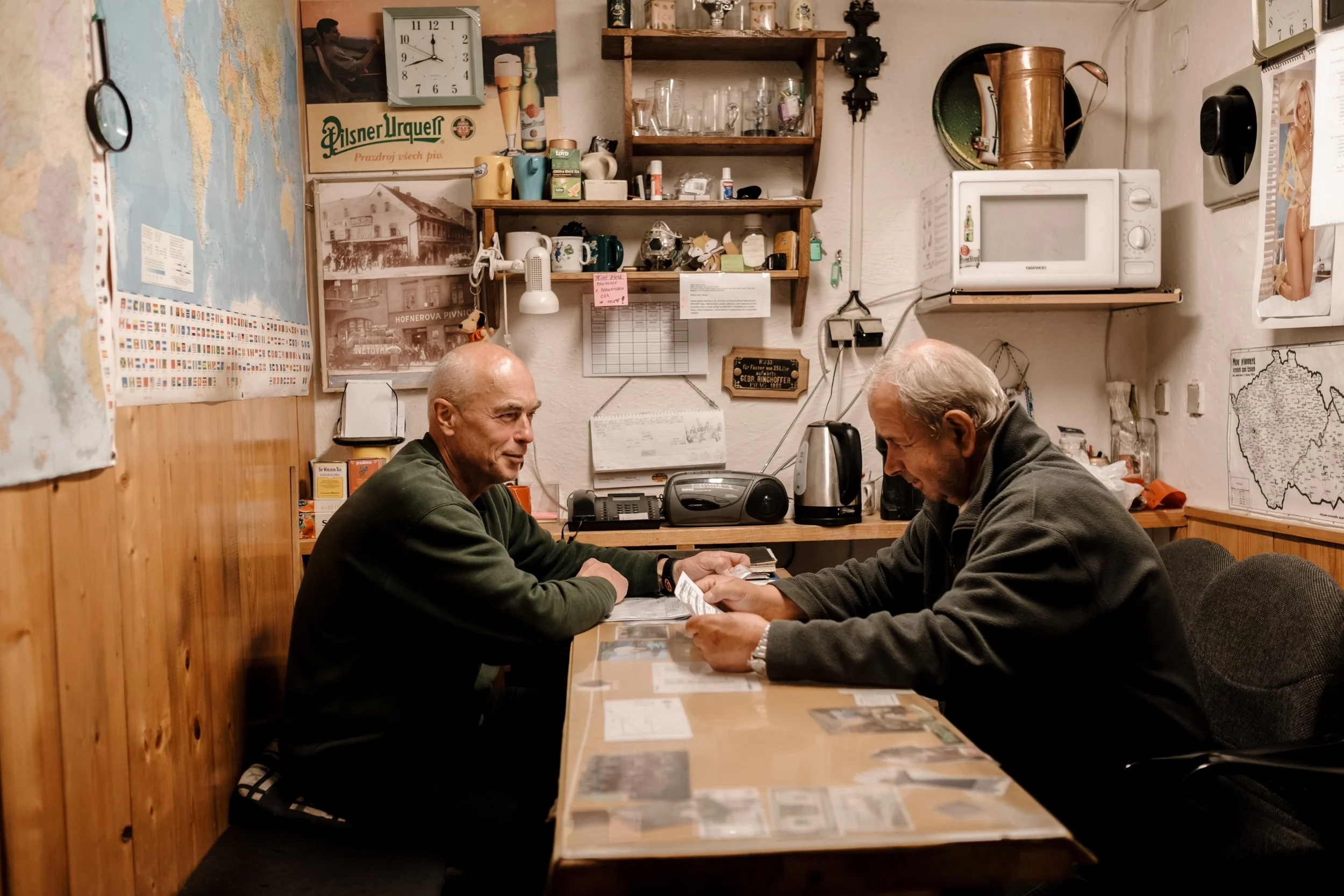
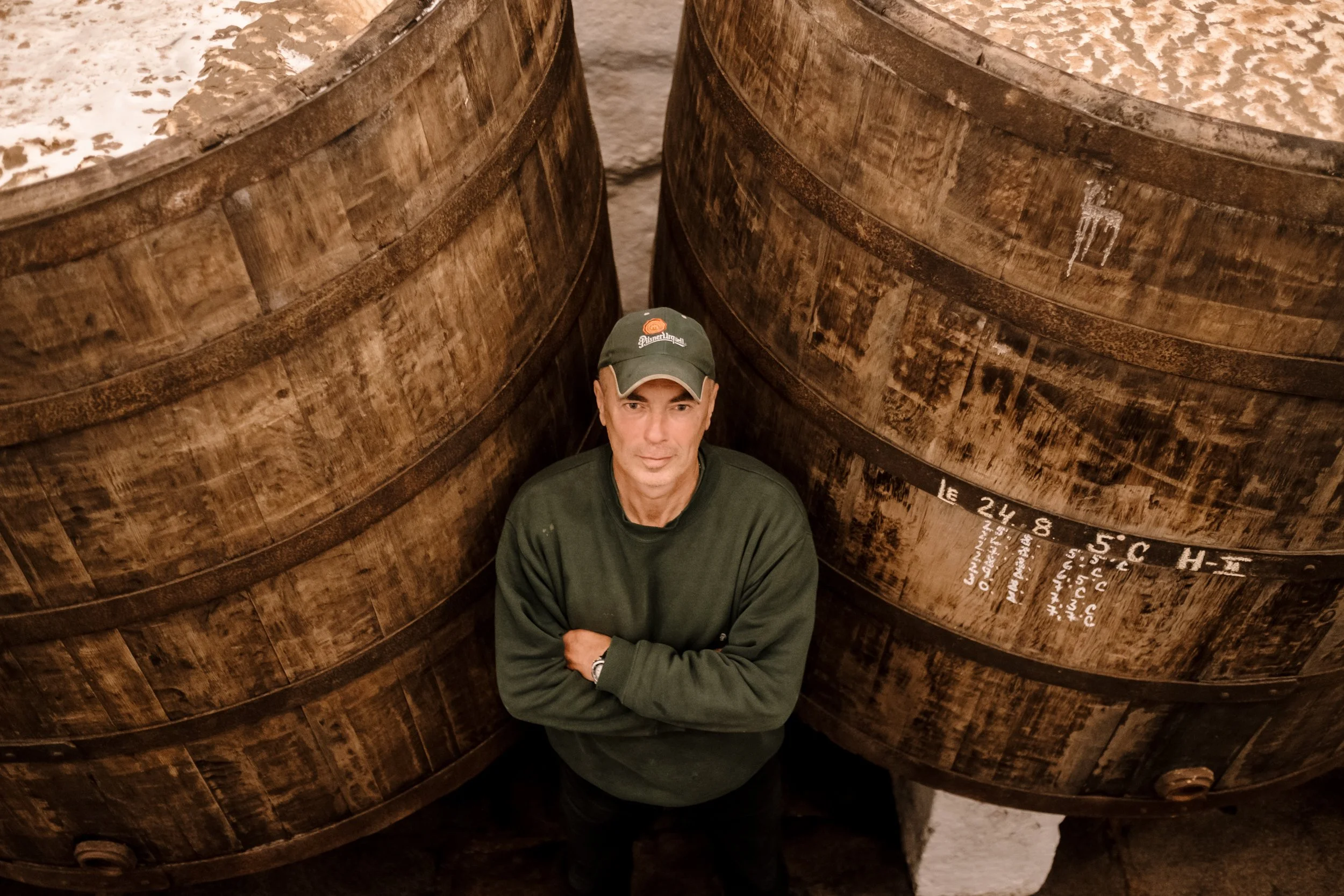
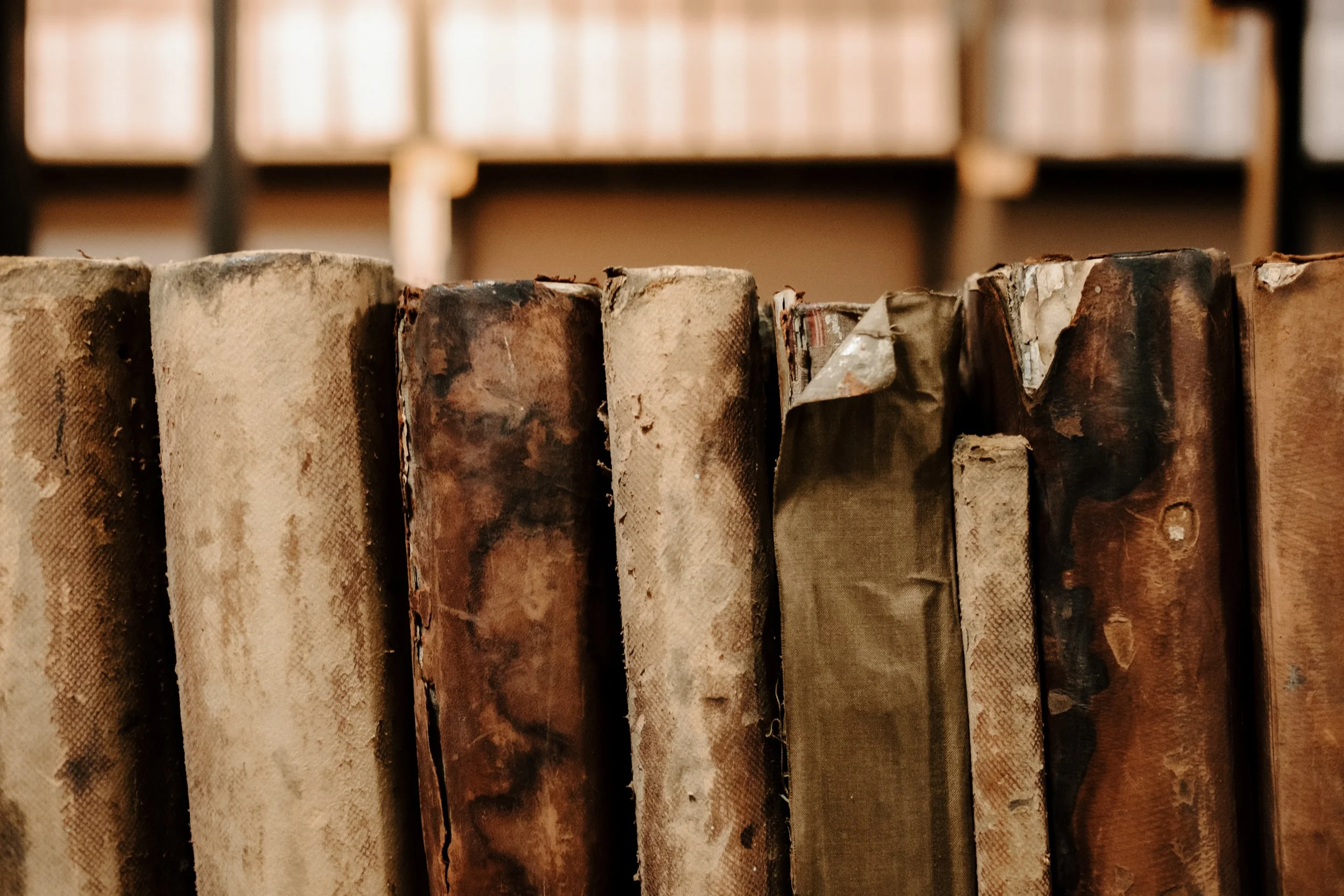
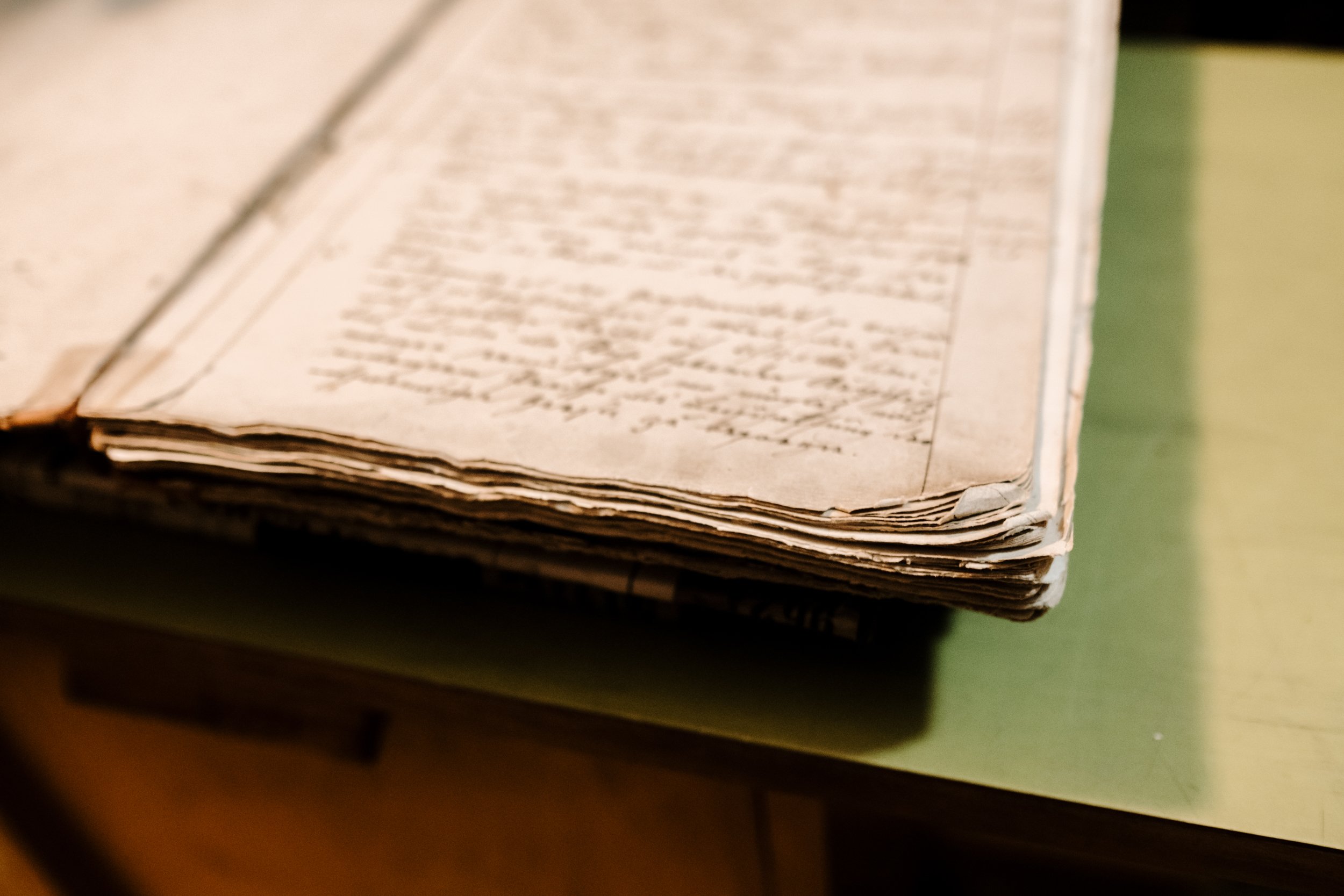
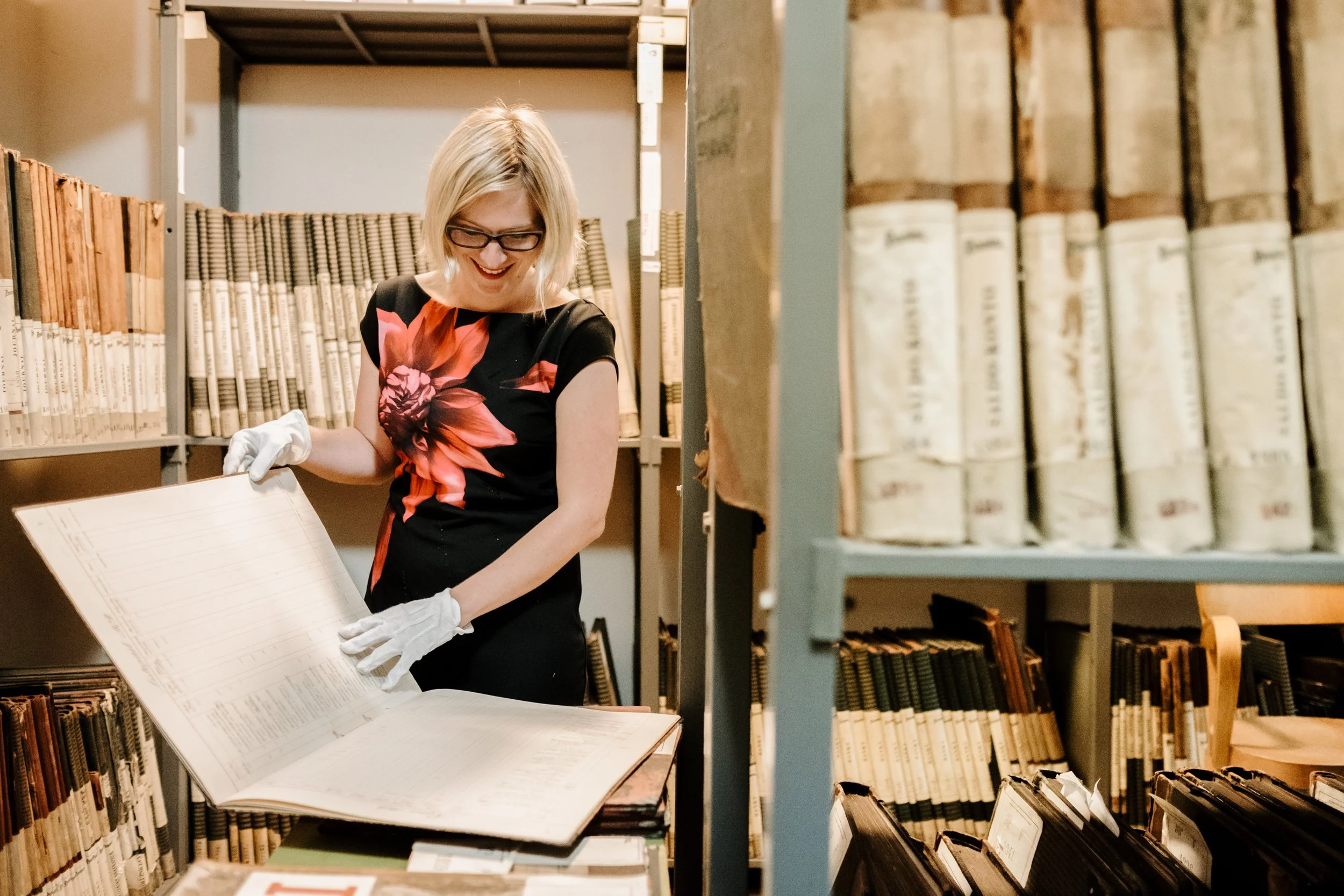
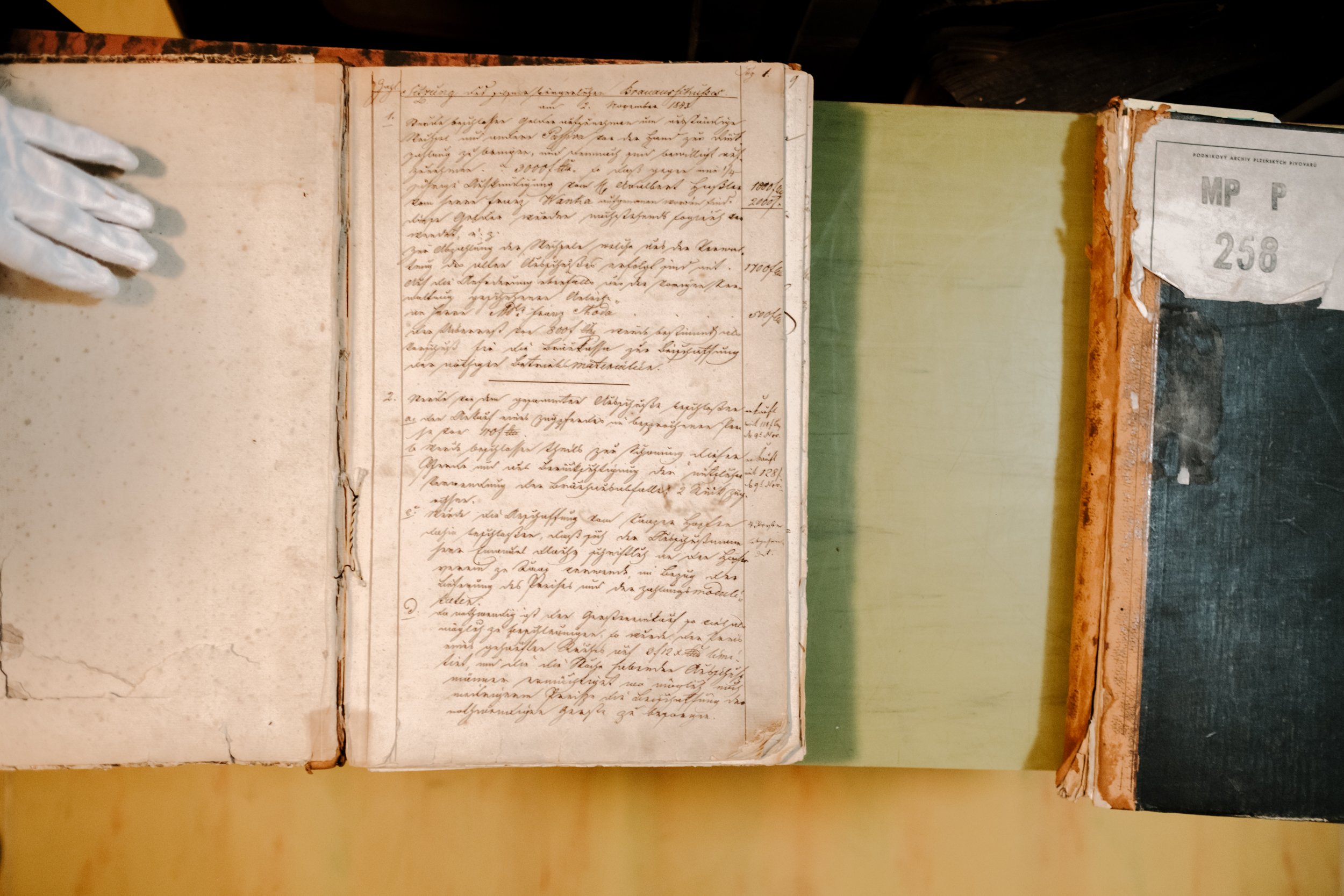
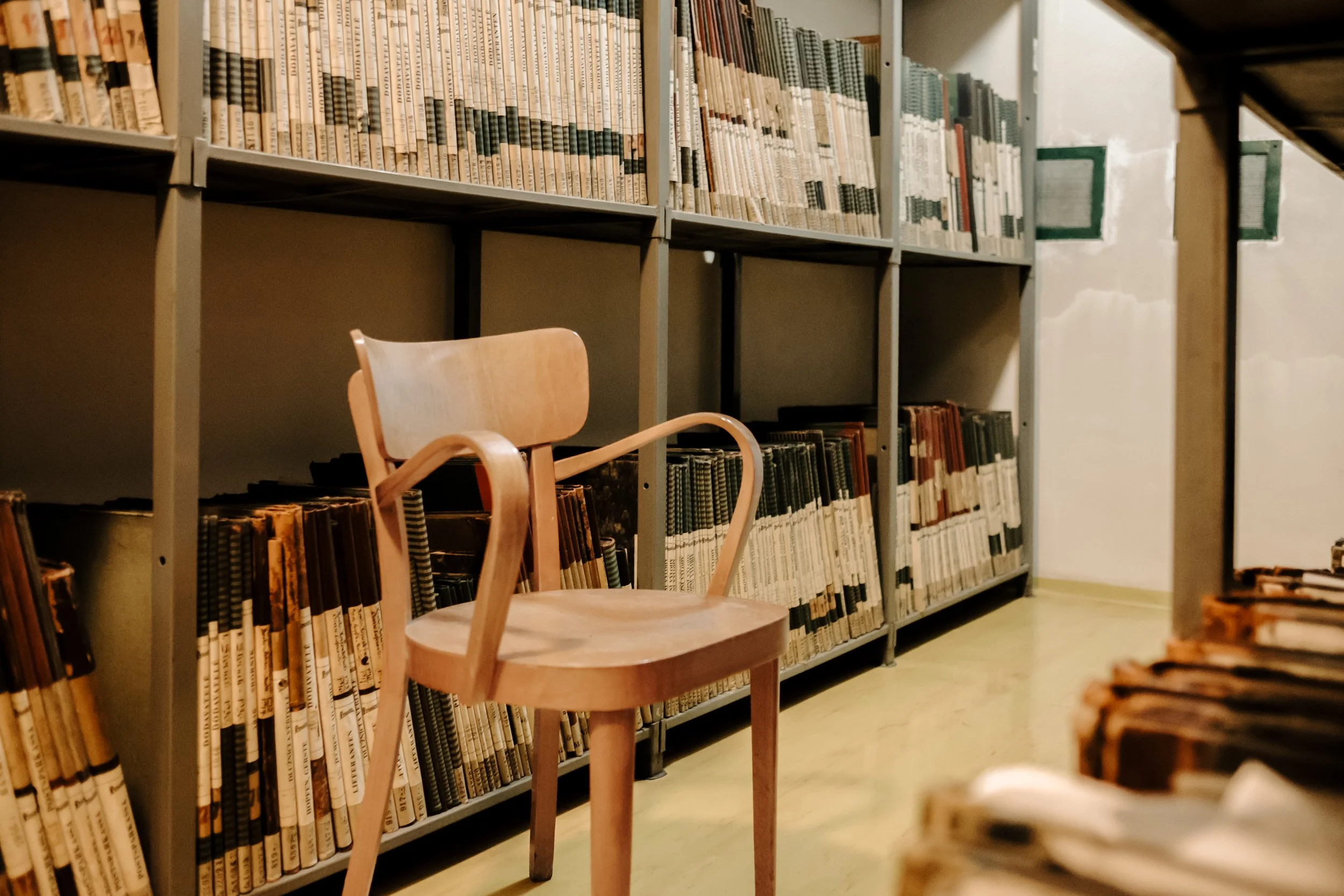
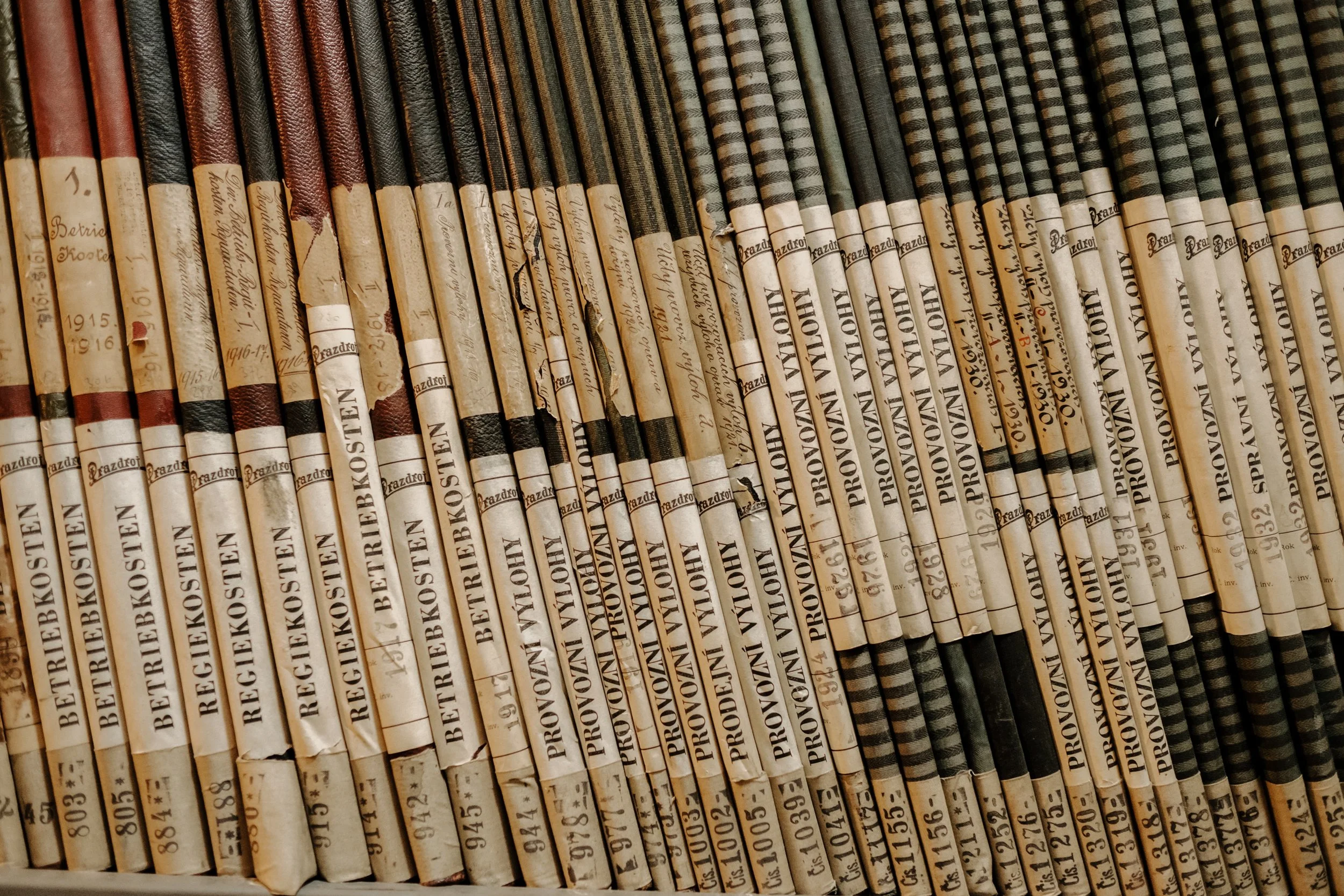
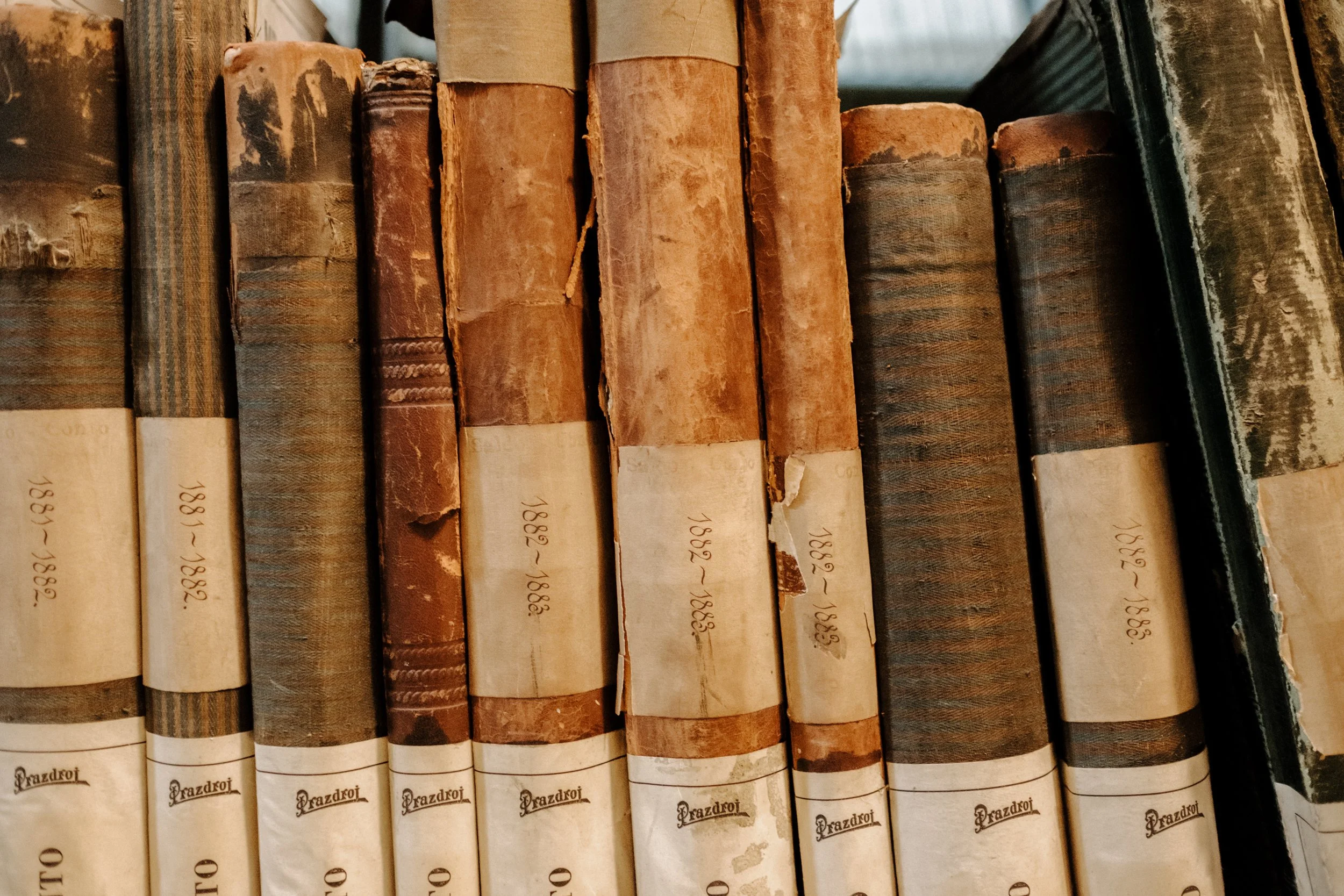
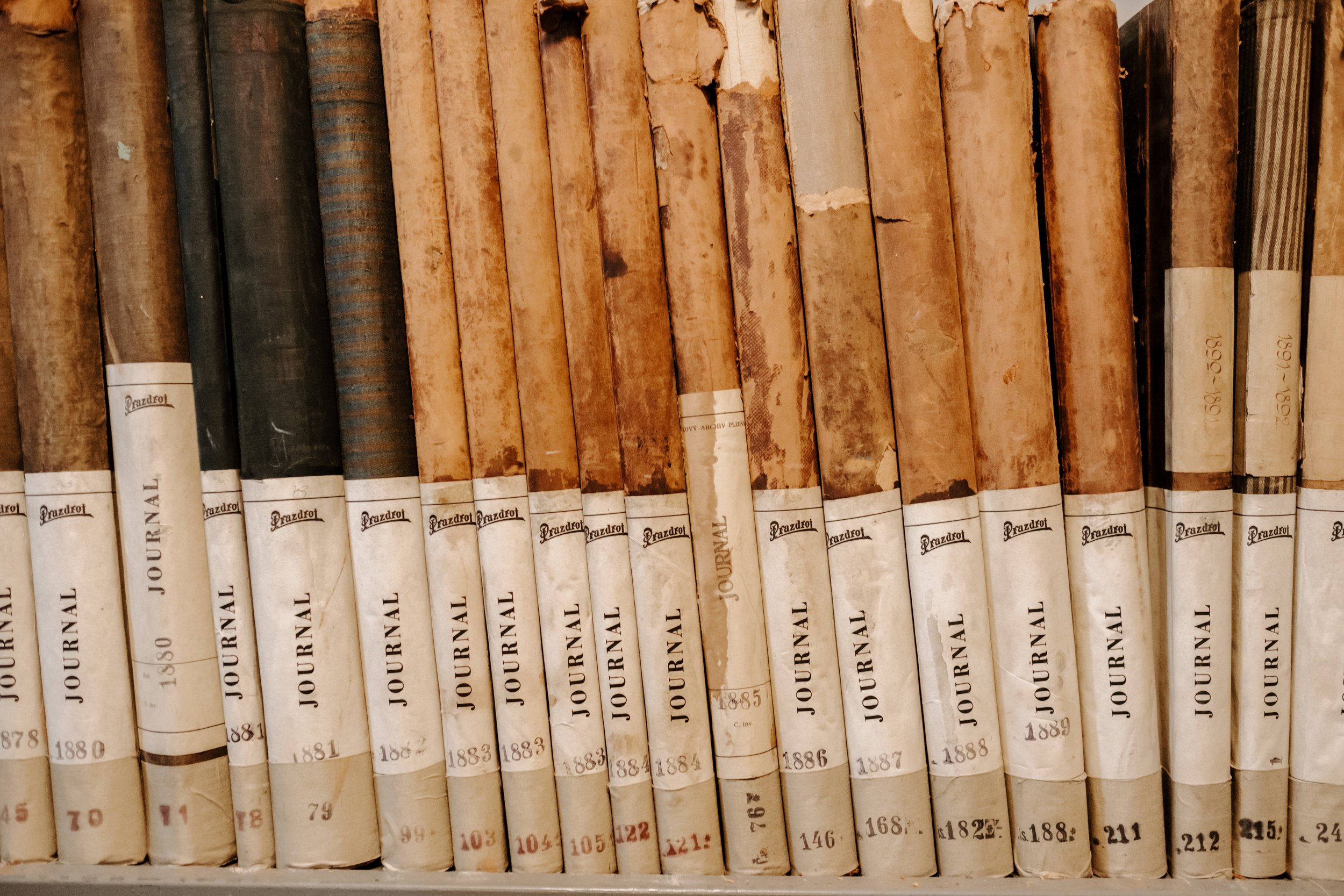
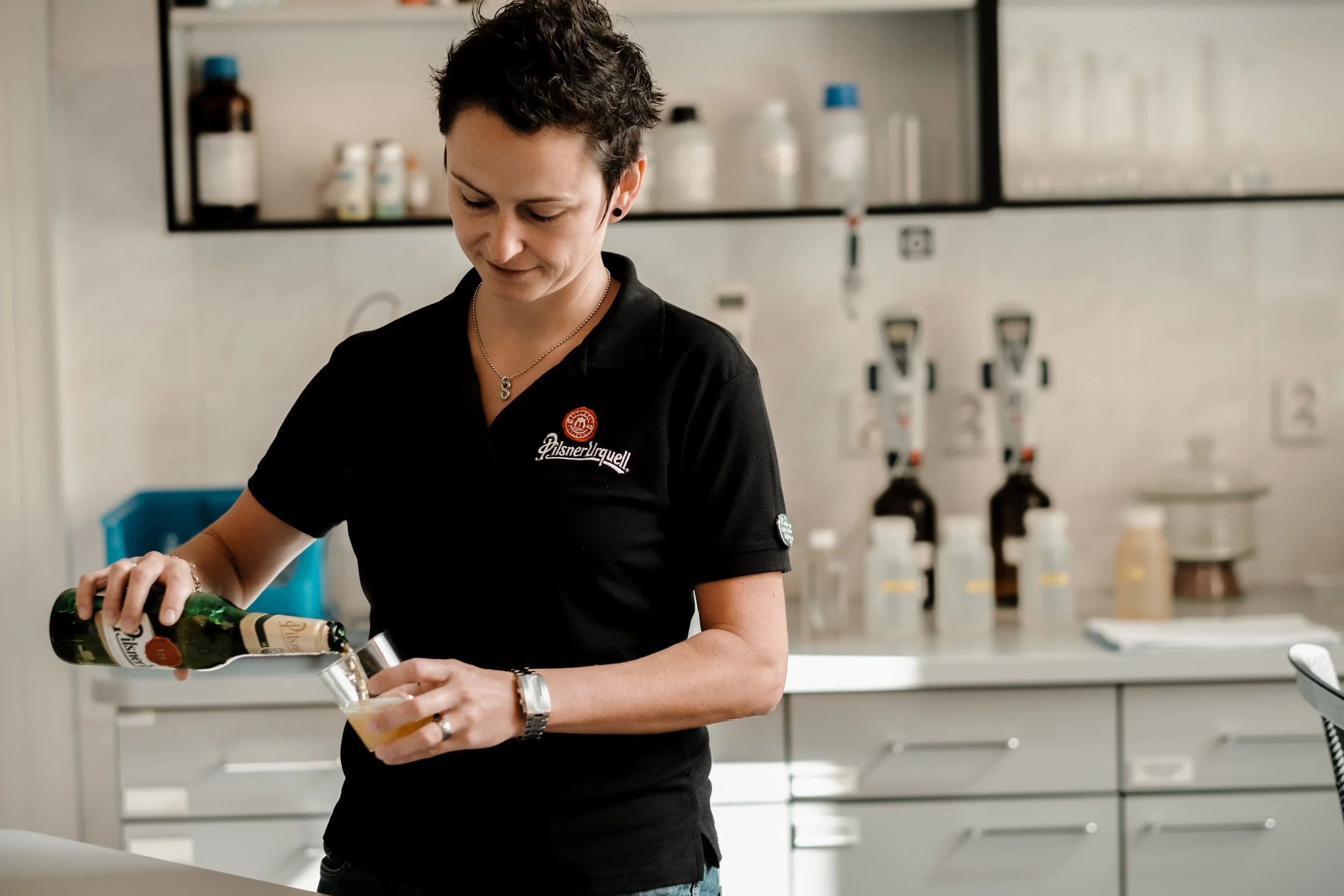
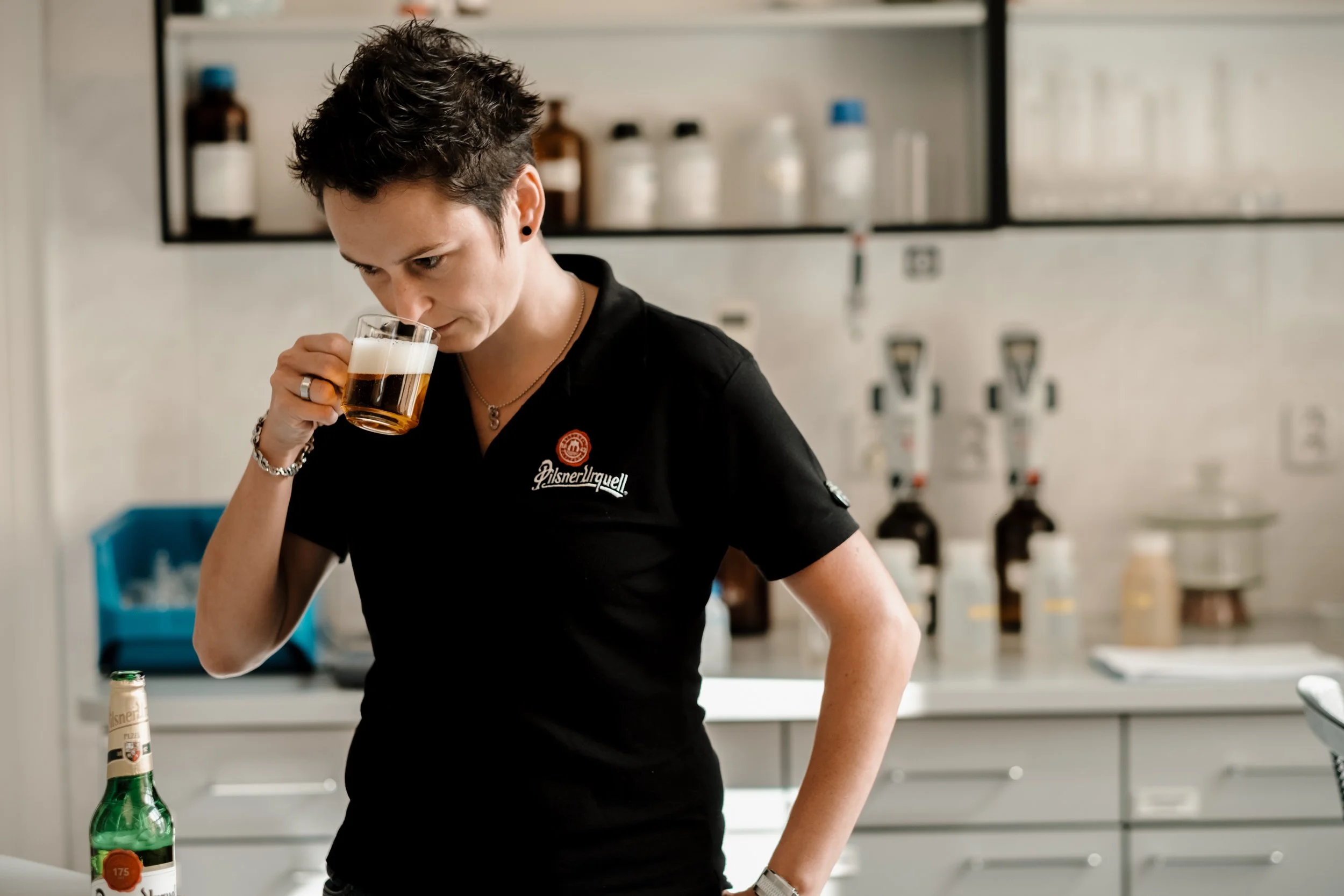
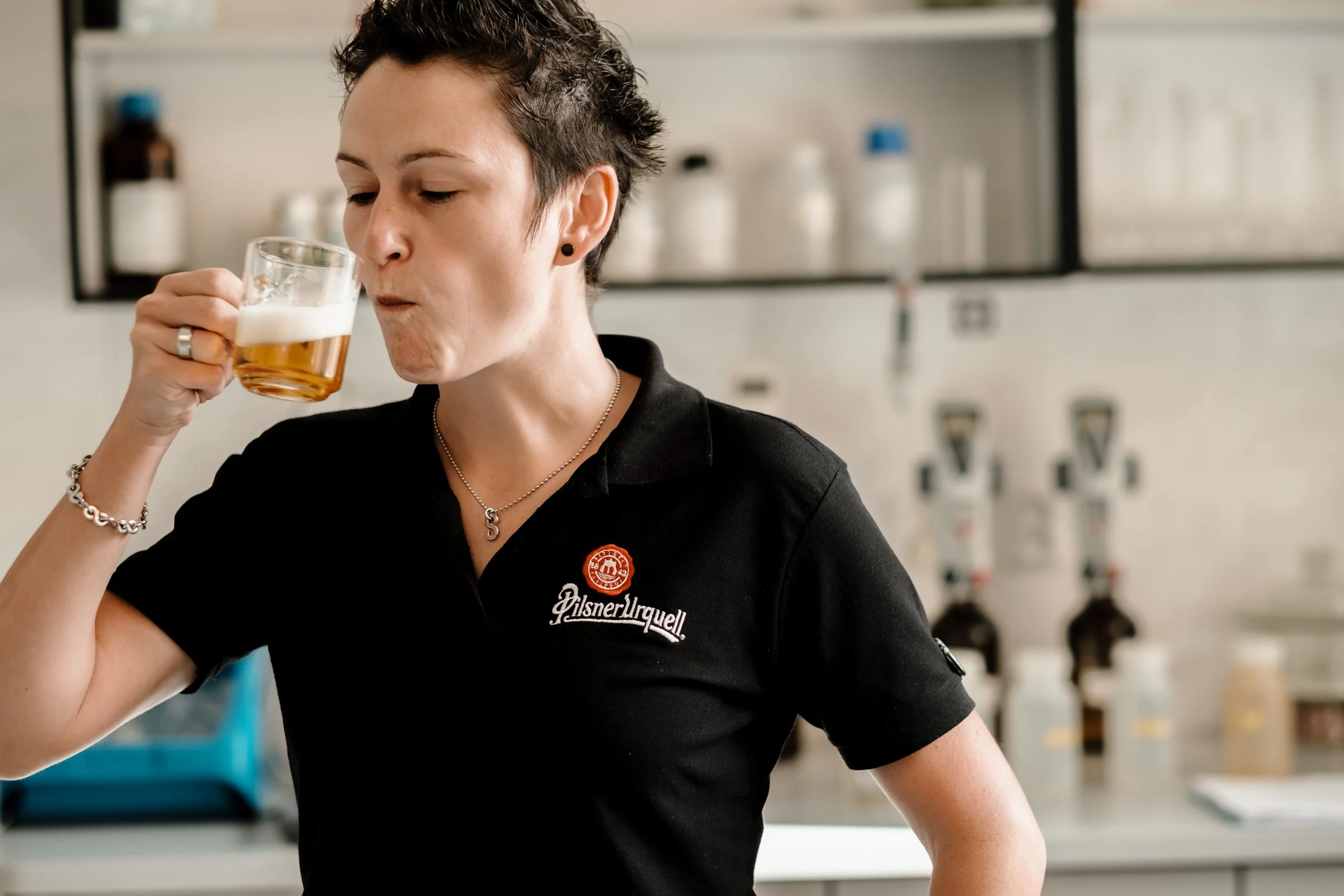
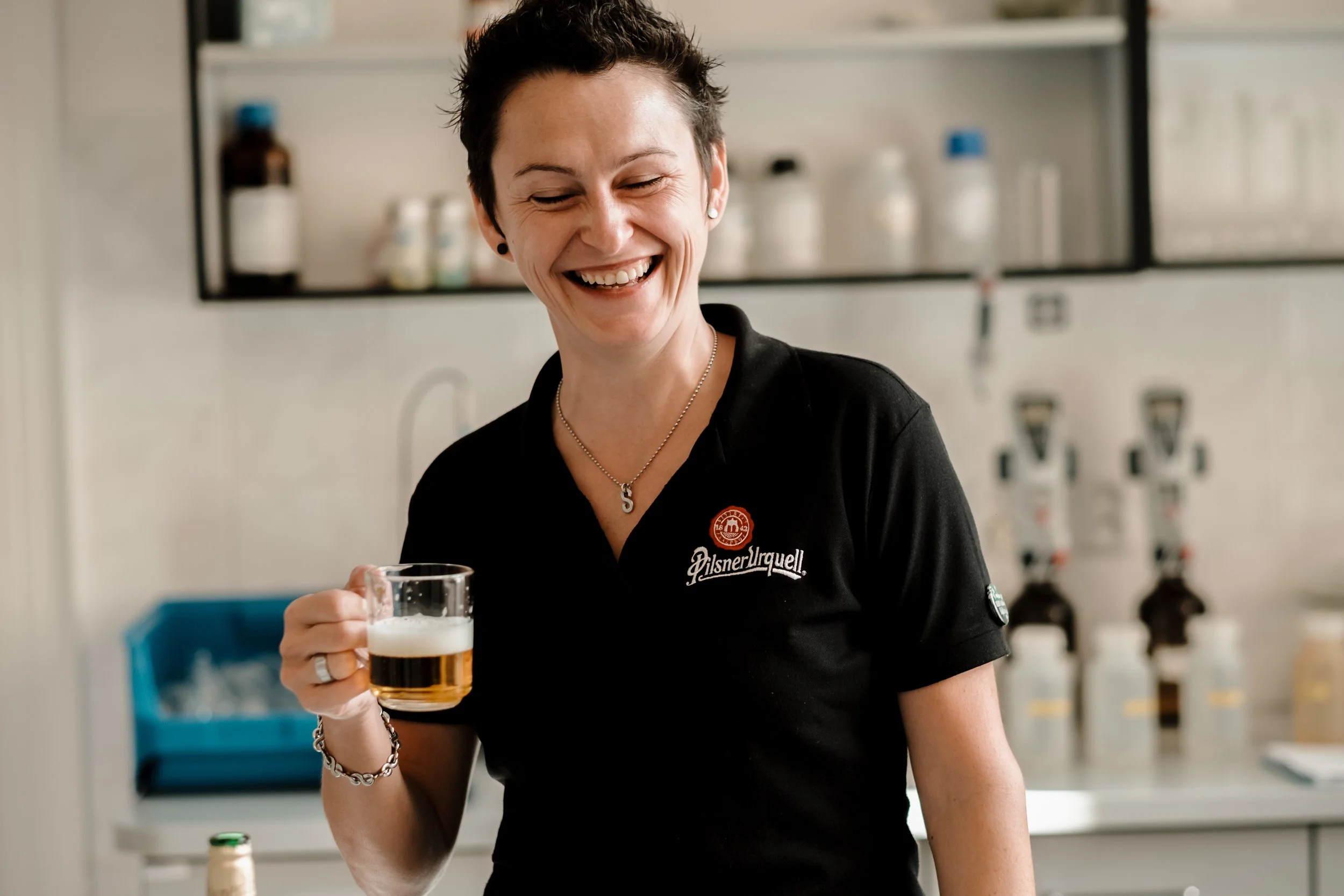
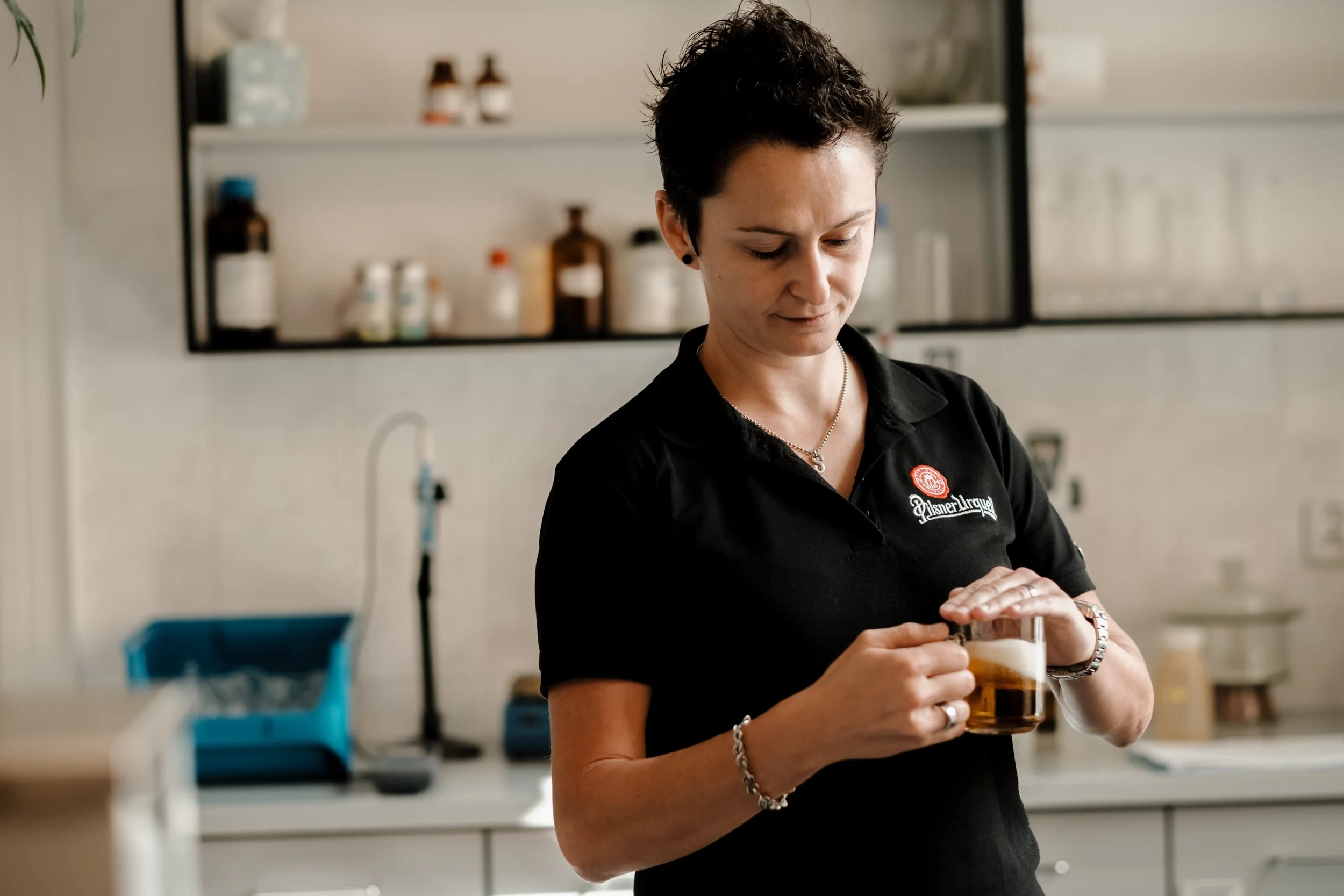
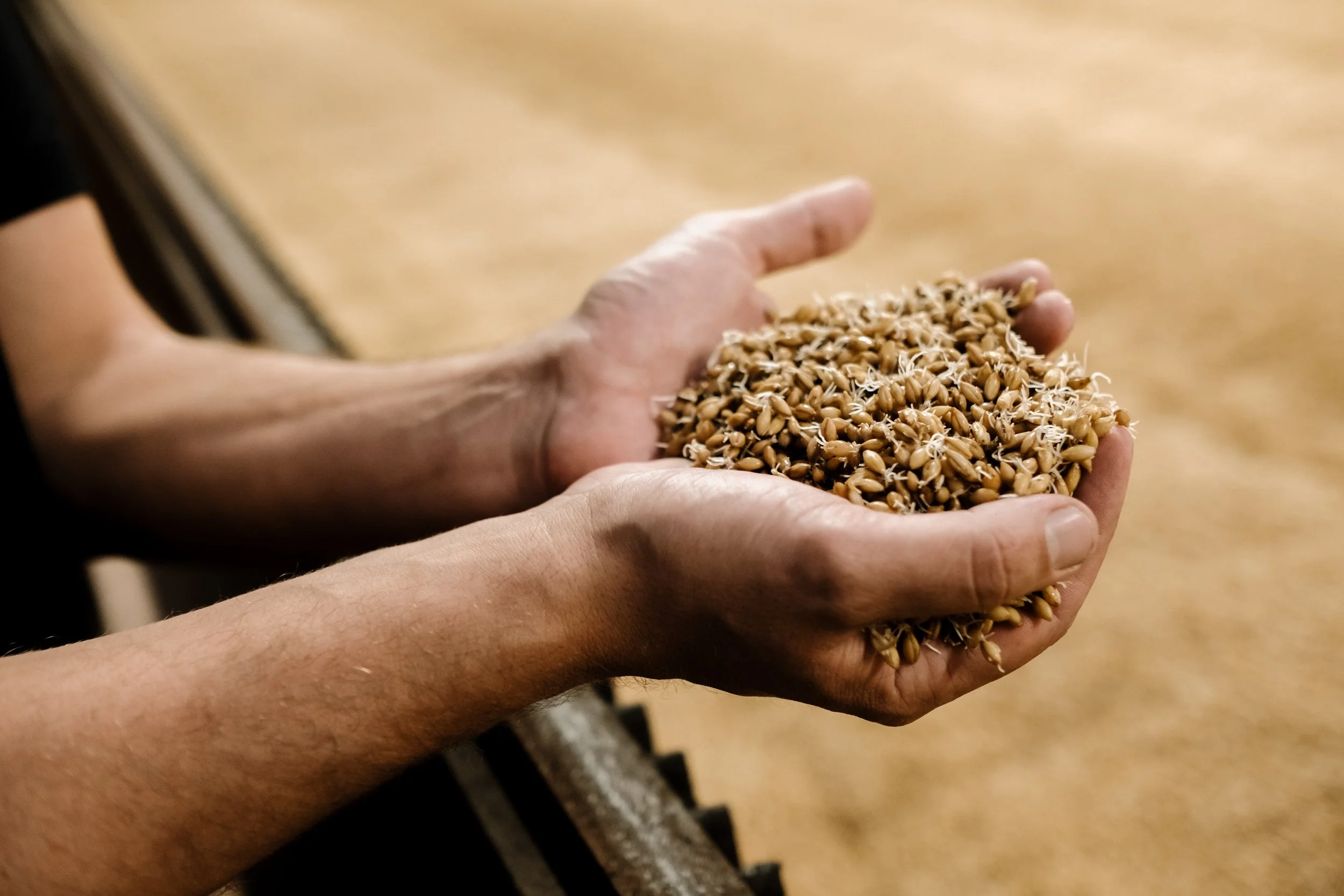
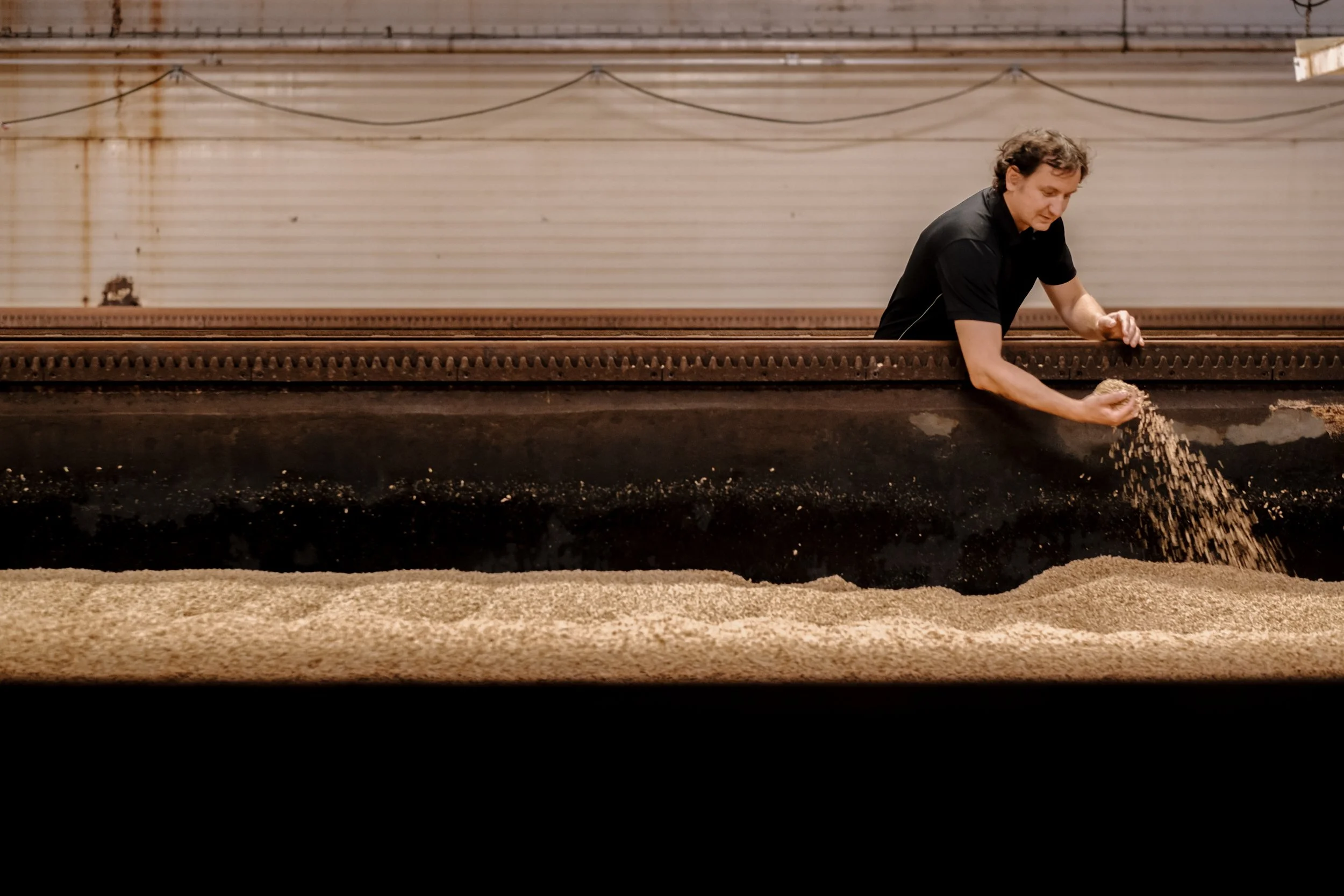
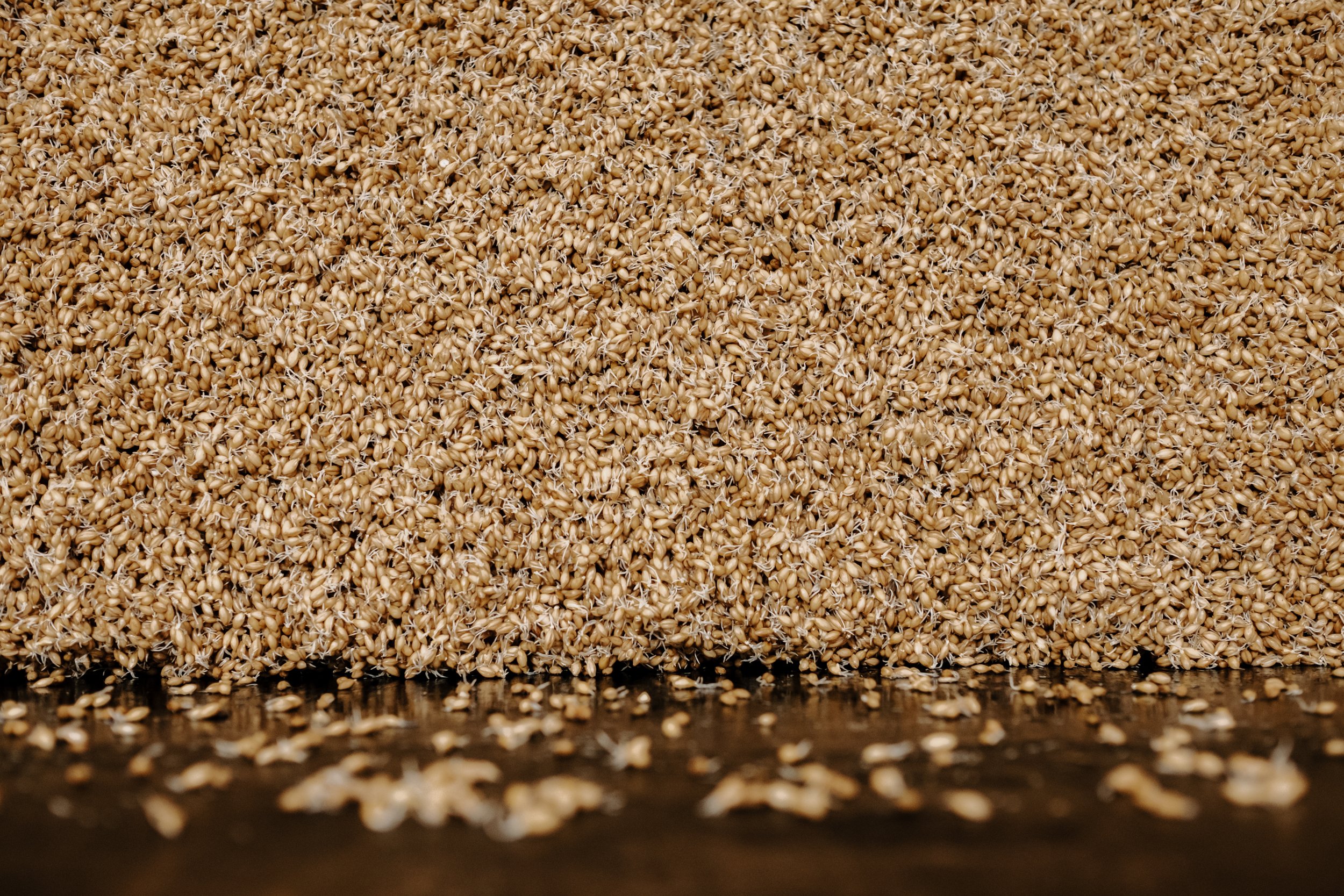
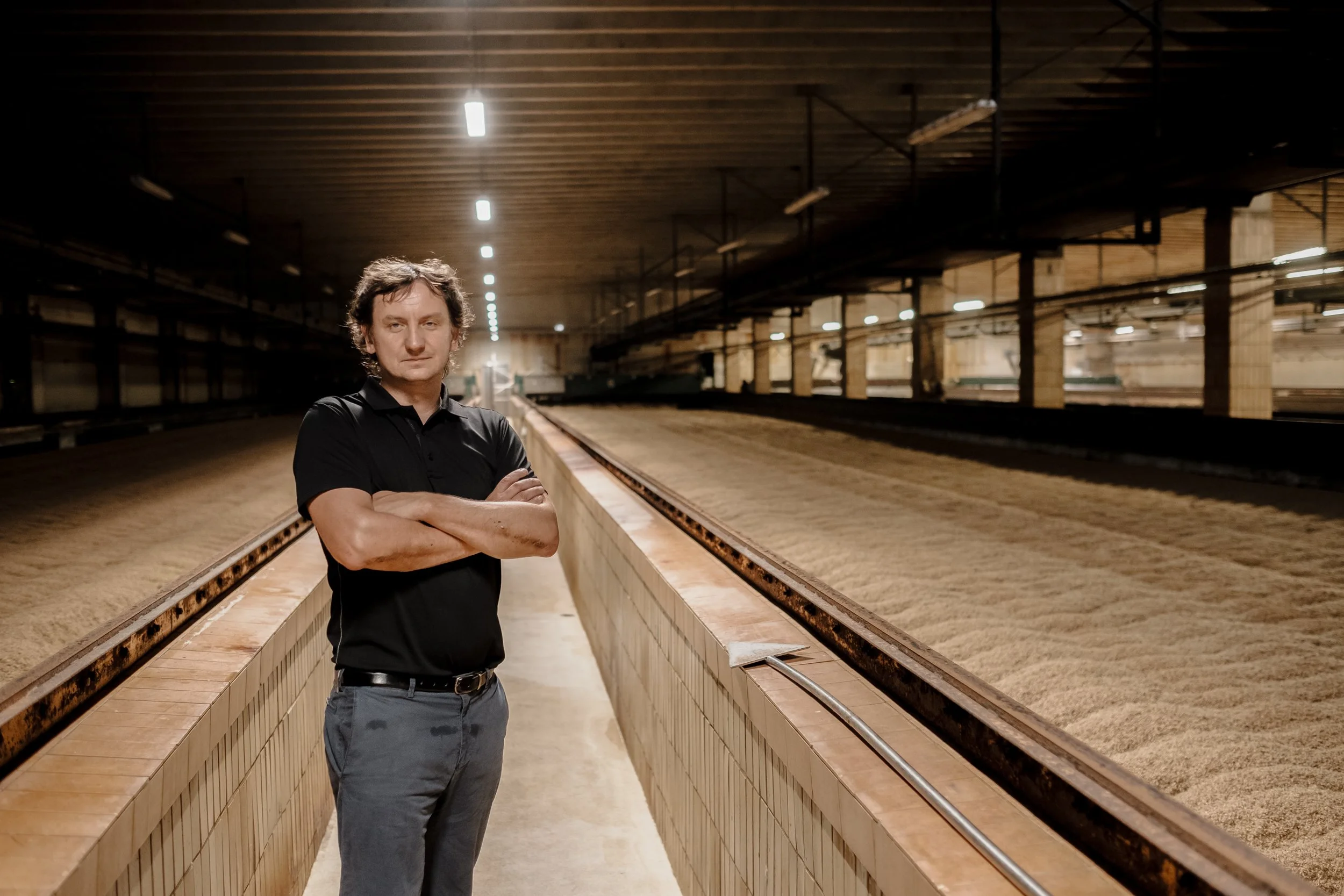
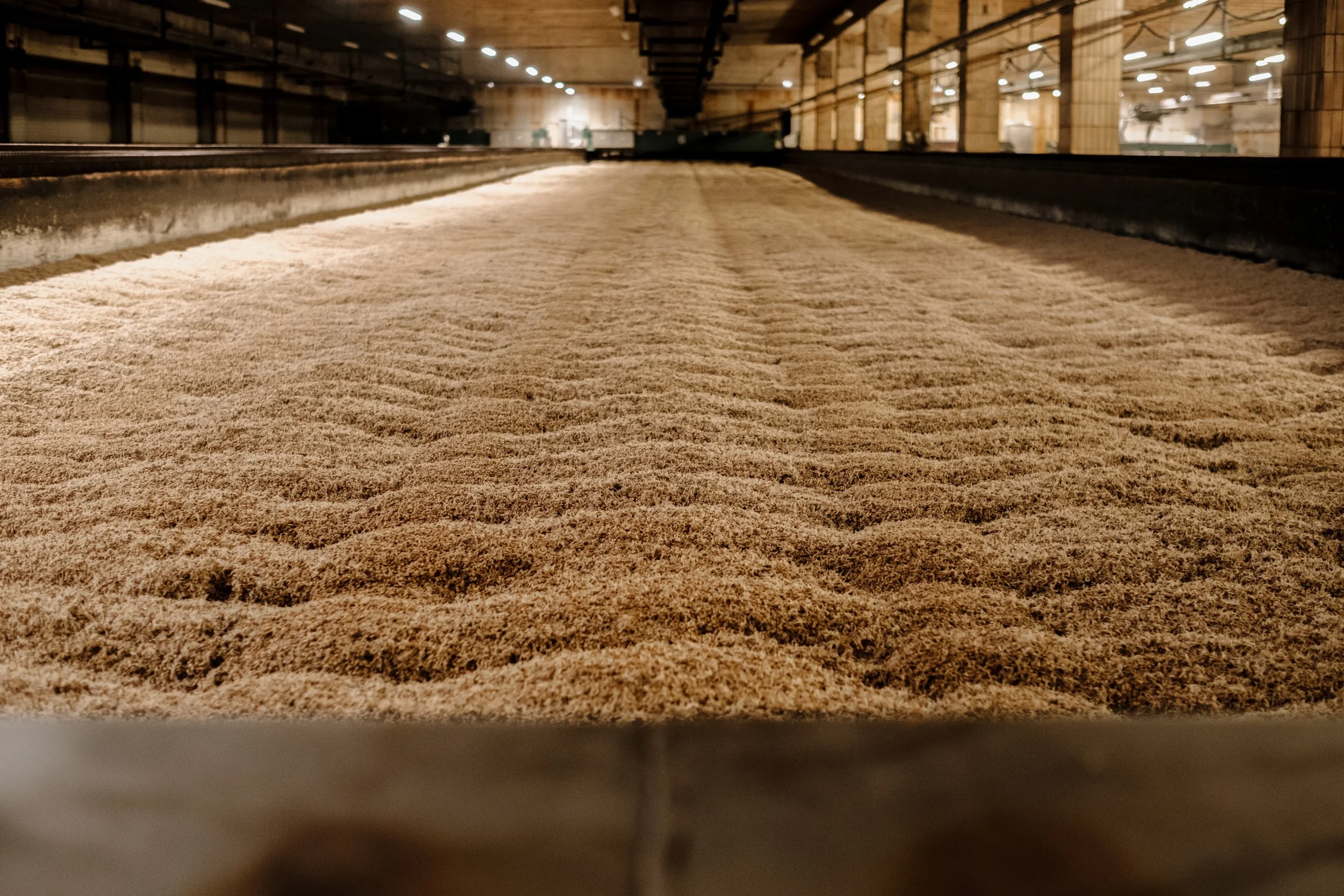
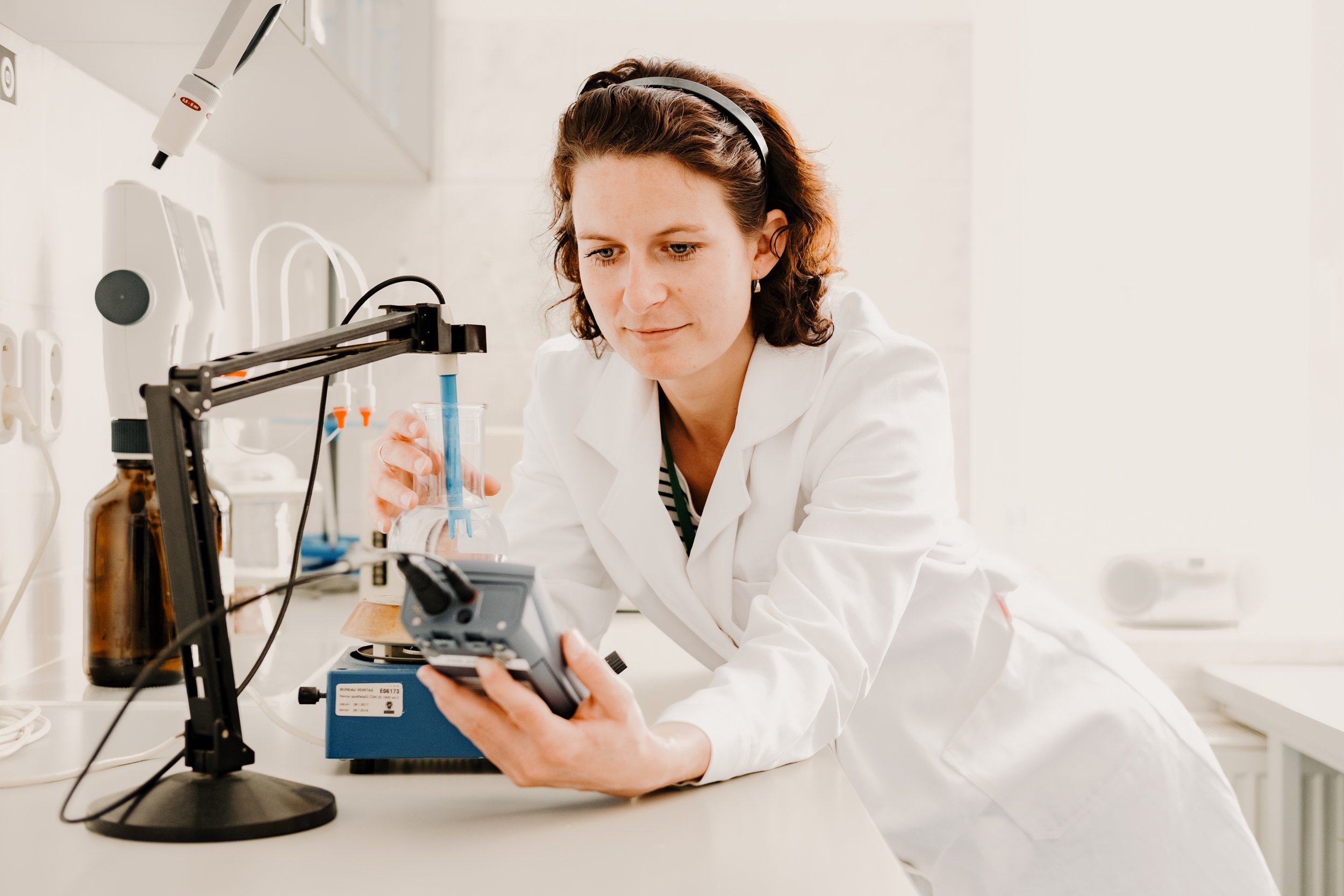
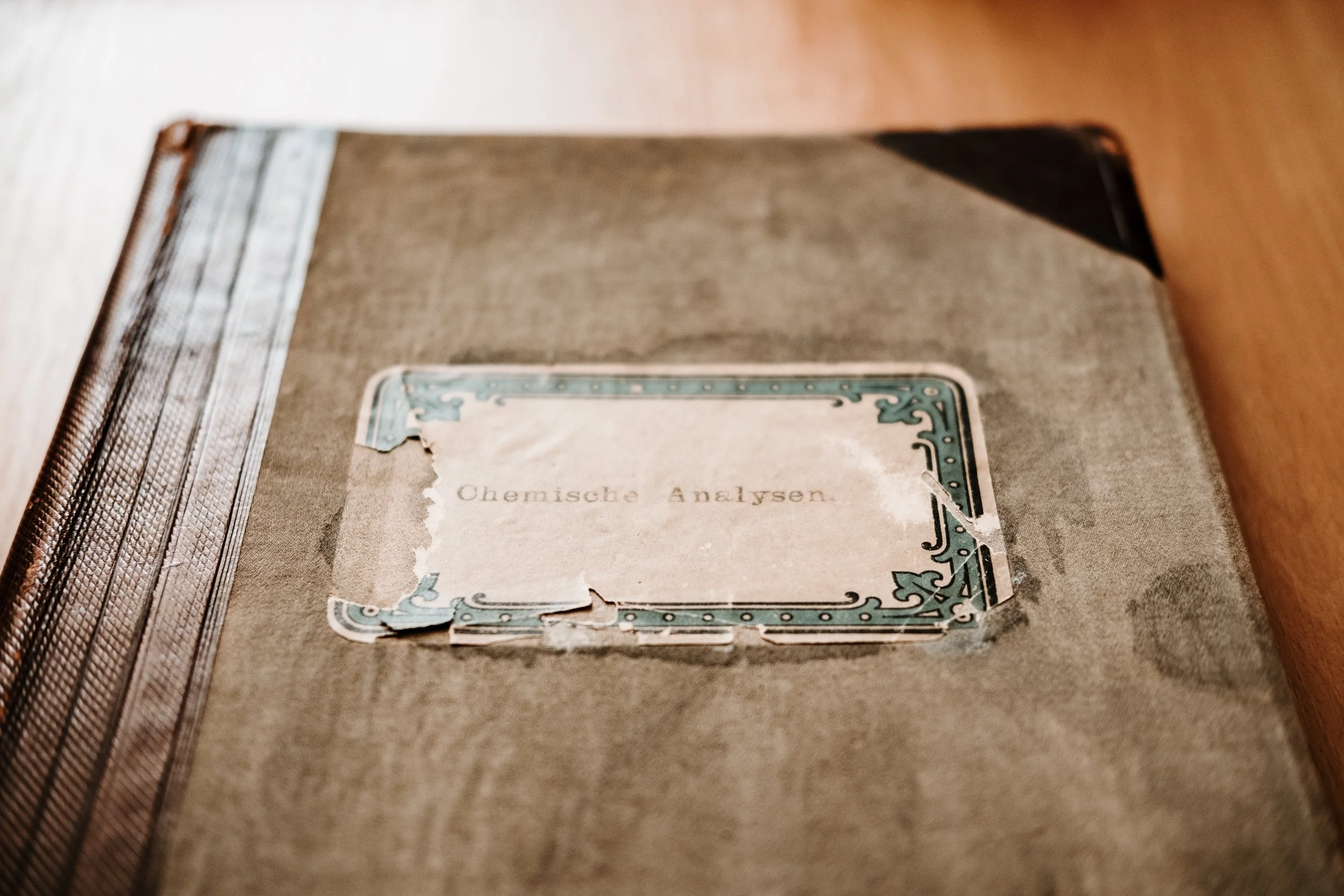
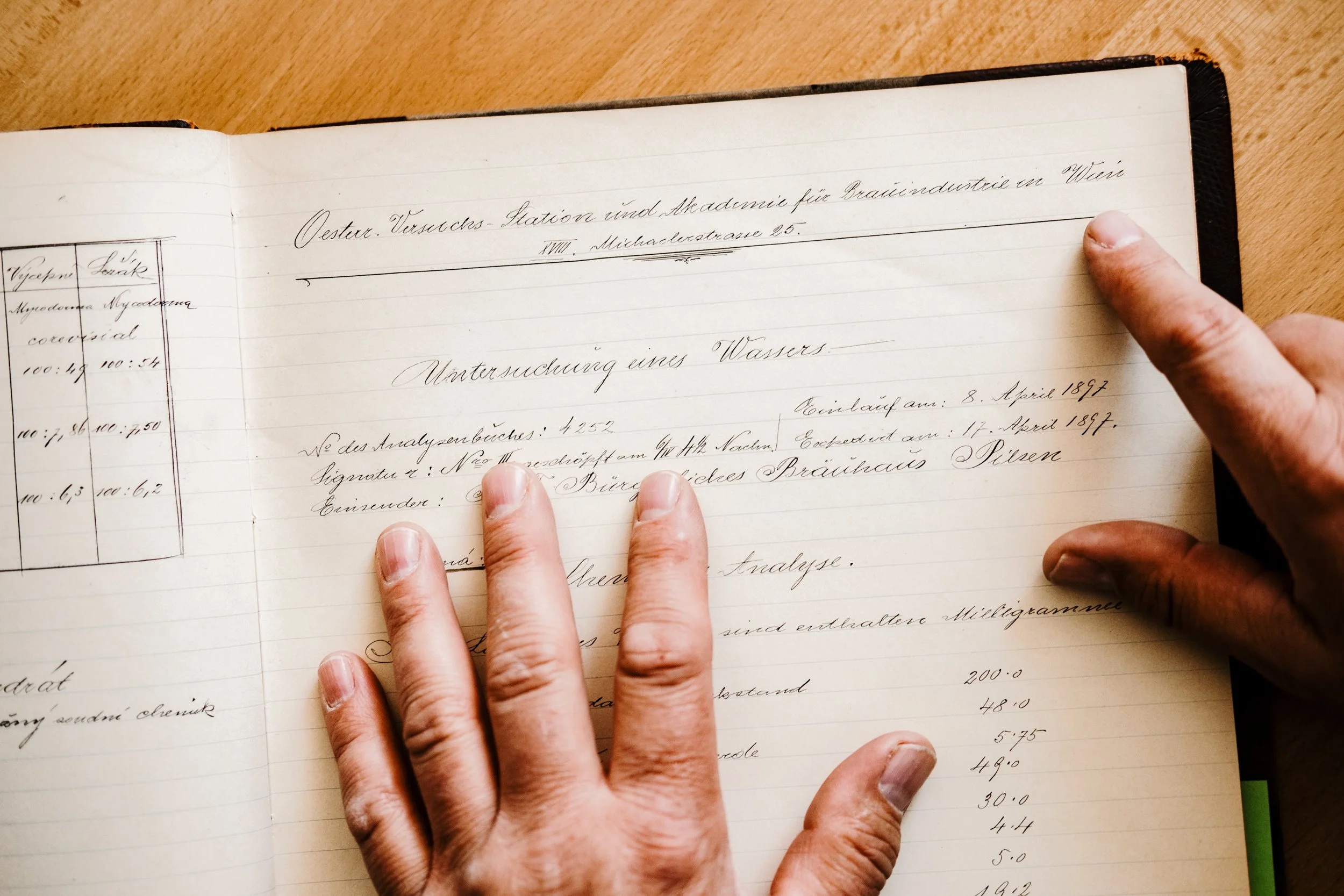
This is where the craftsmen work. The people who make and repair the wooden barrels. The master craftsman who makes the small, bespoke barrels sold in the shop. The scientist who checks the quality of every batch of beer. The brew master responsible for the barley. And the archivist who looks after the brewing recipes, keeping the knowledge of generations safe.
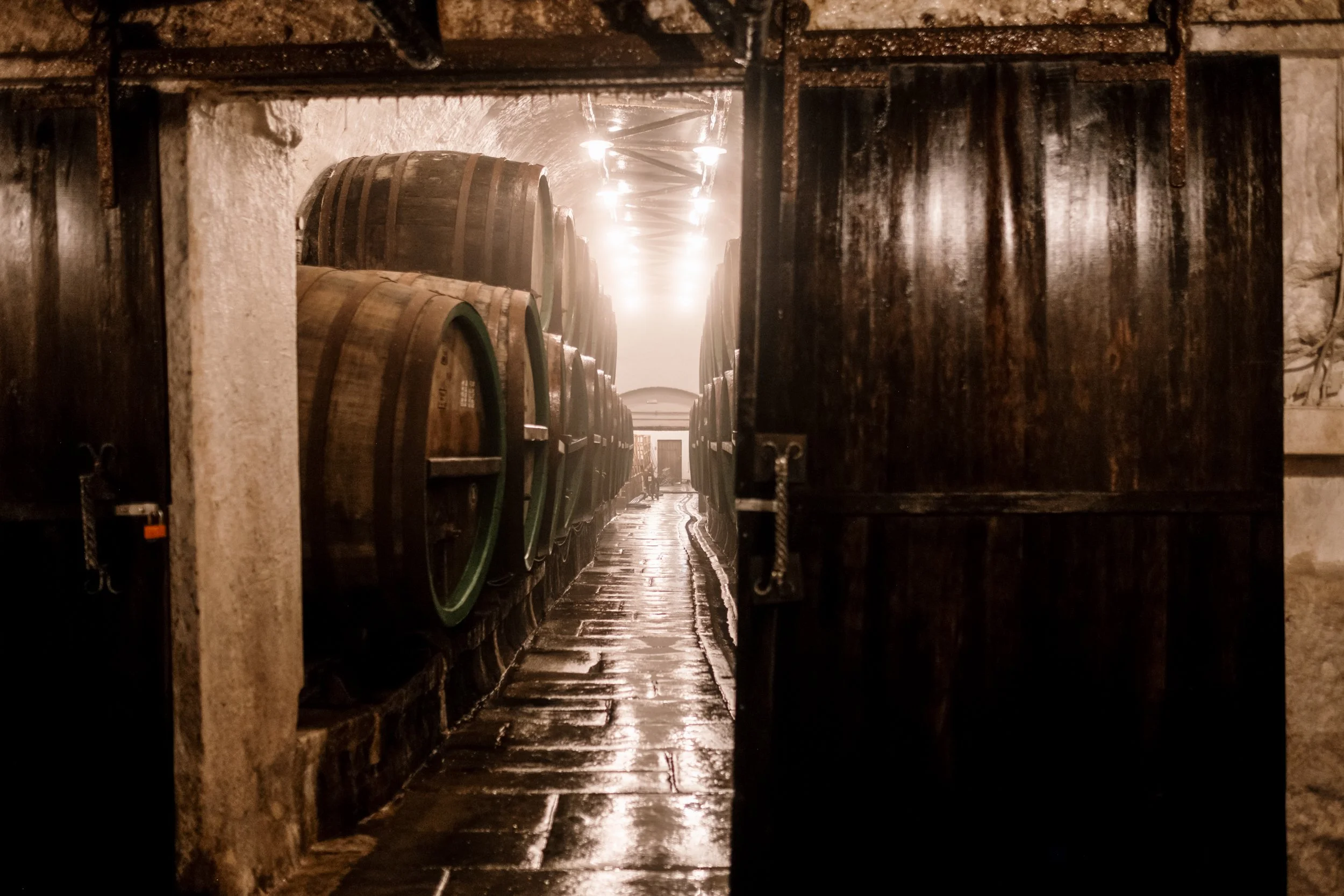
Then there are the cellars.
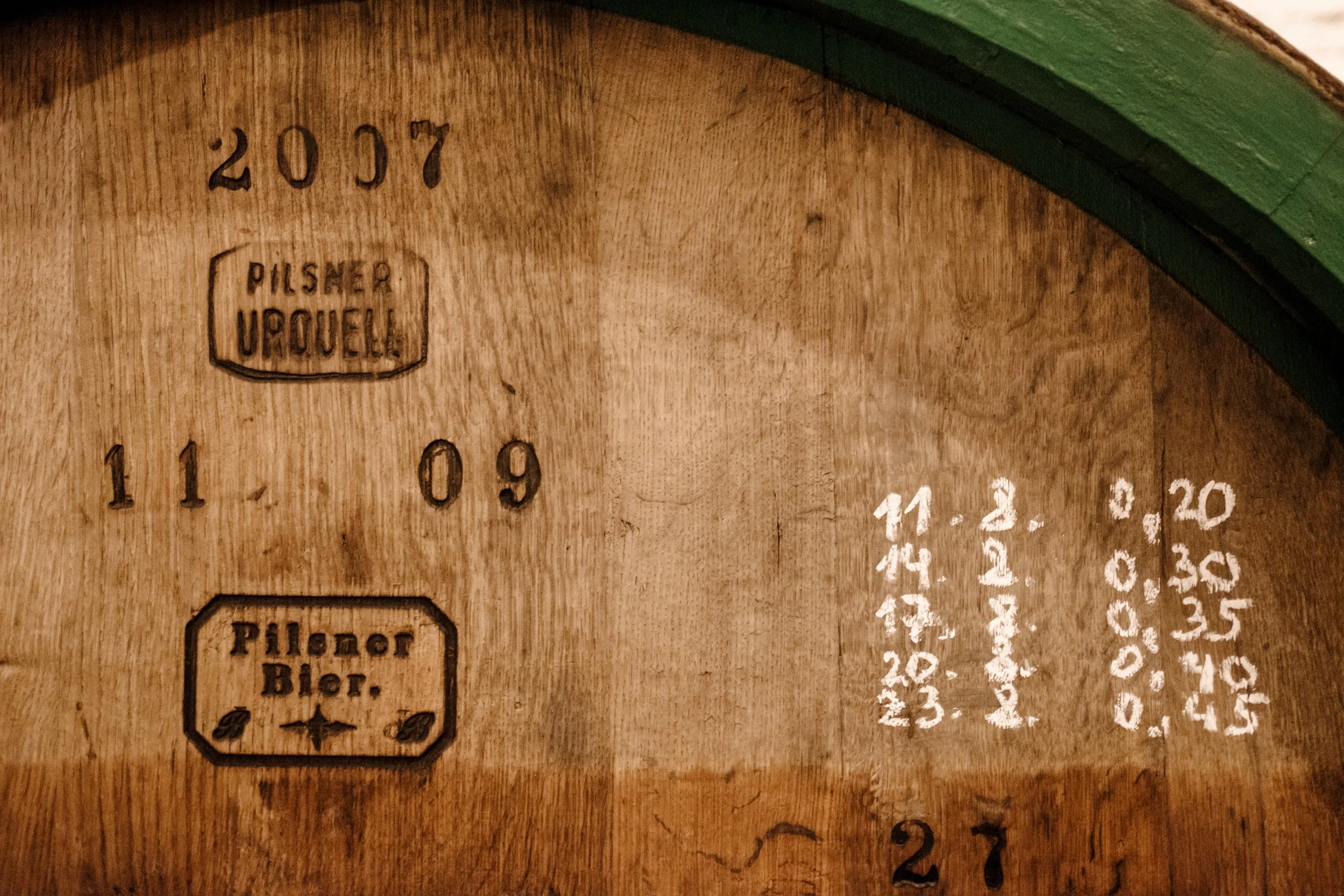
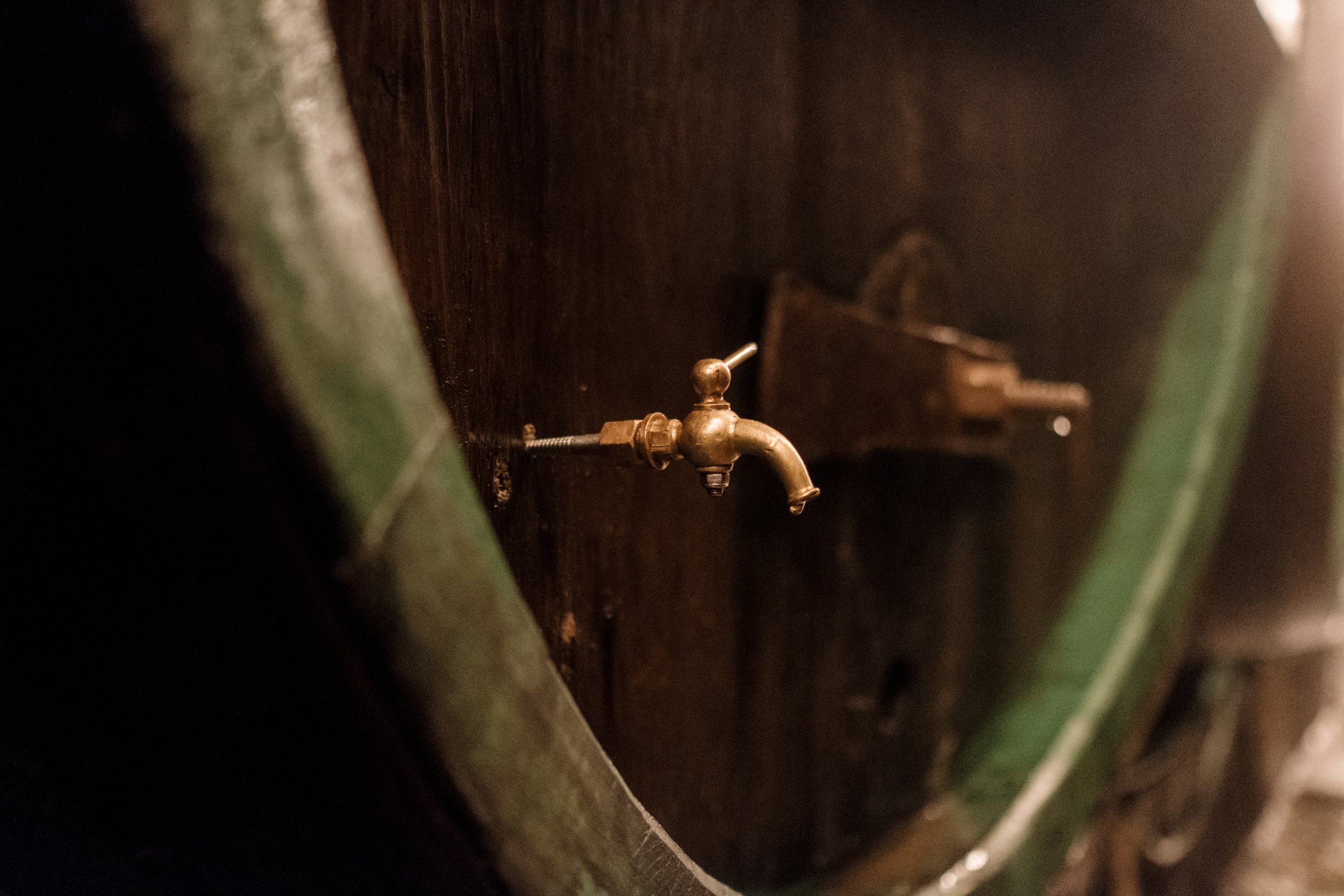
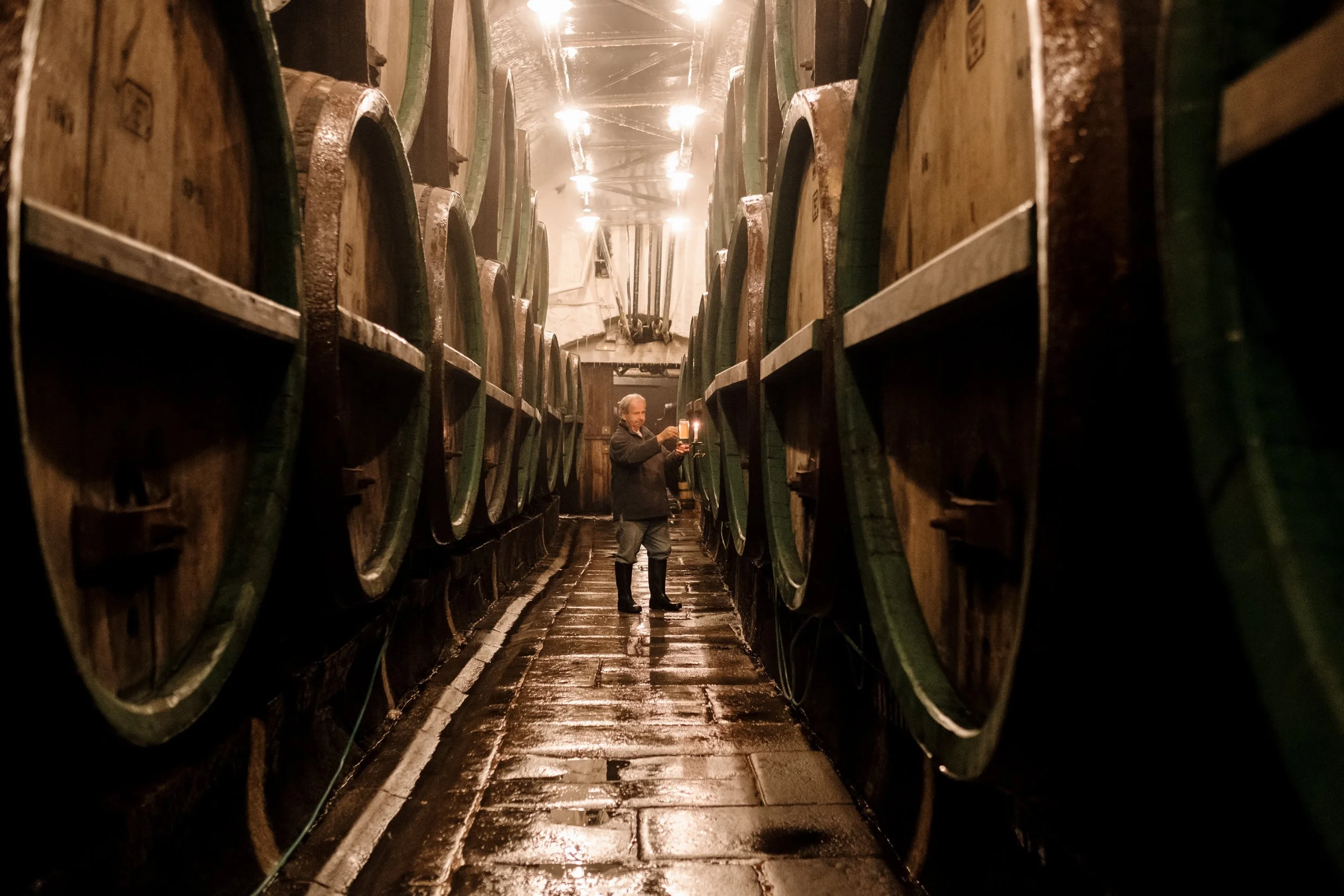
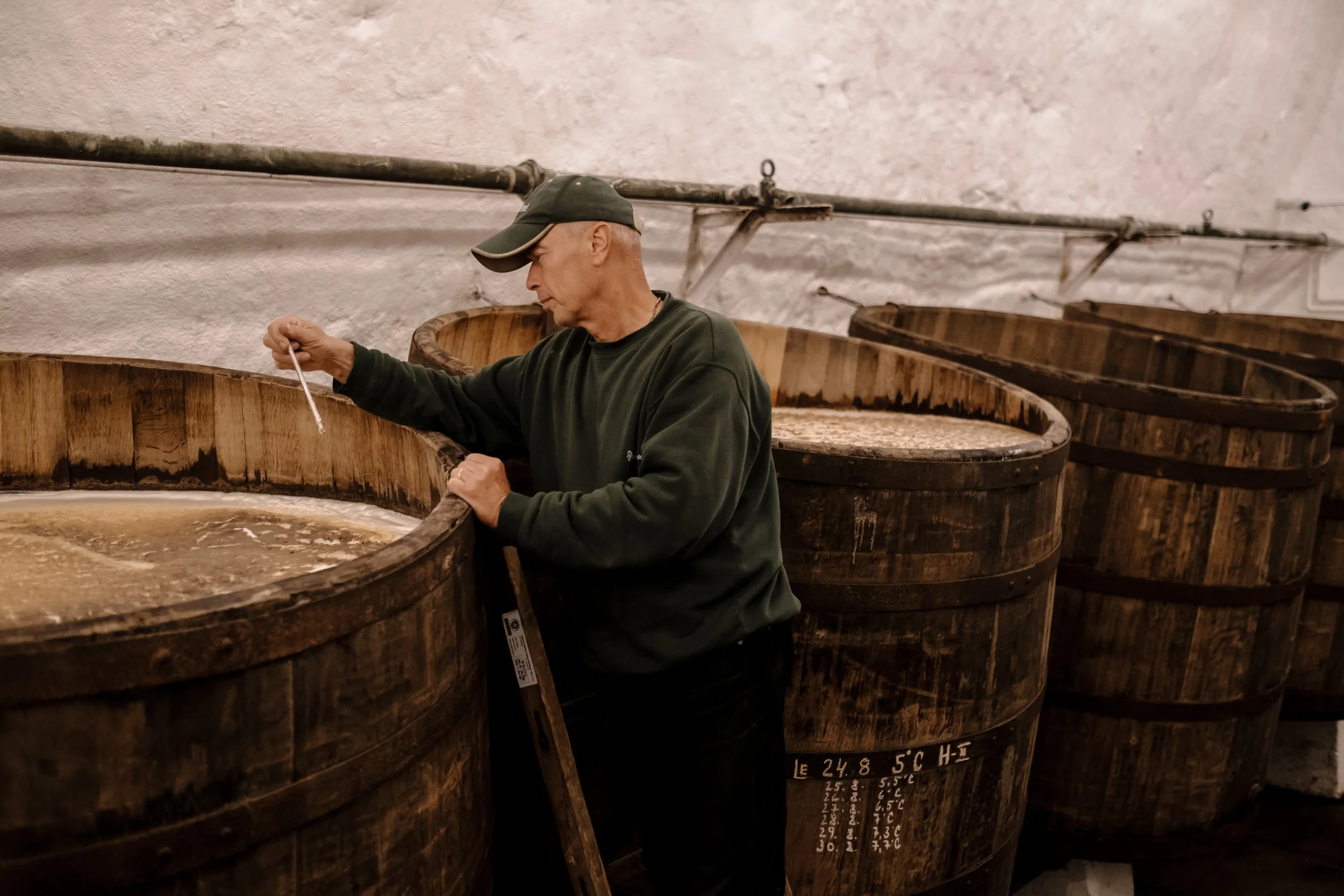
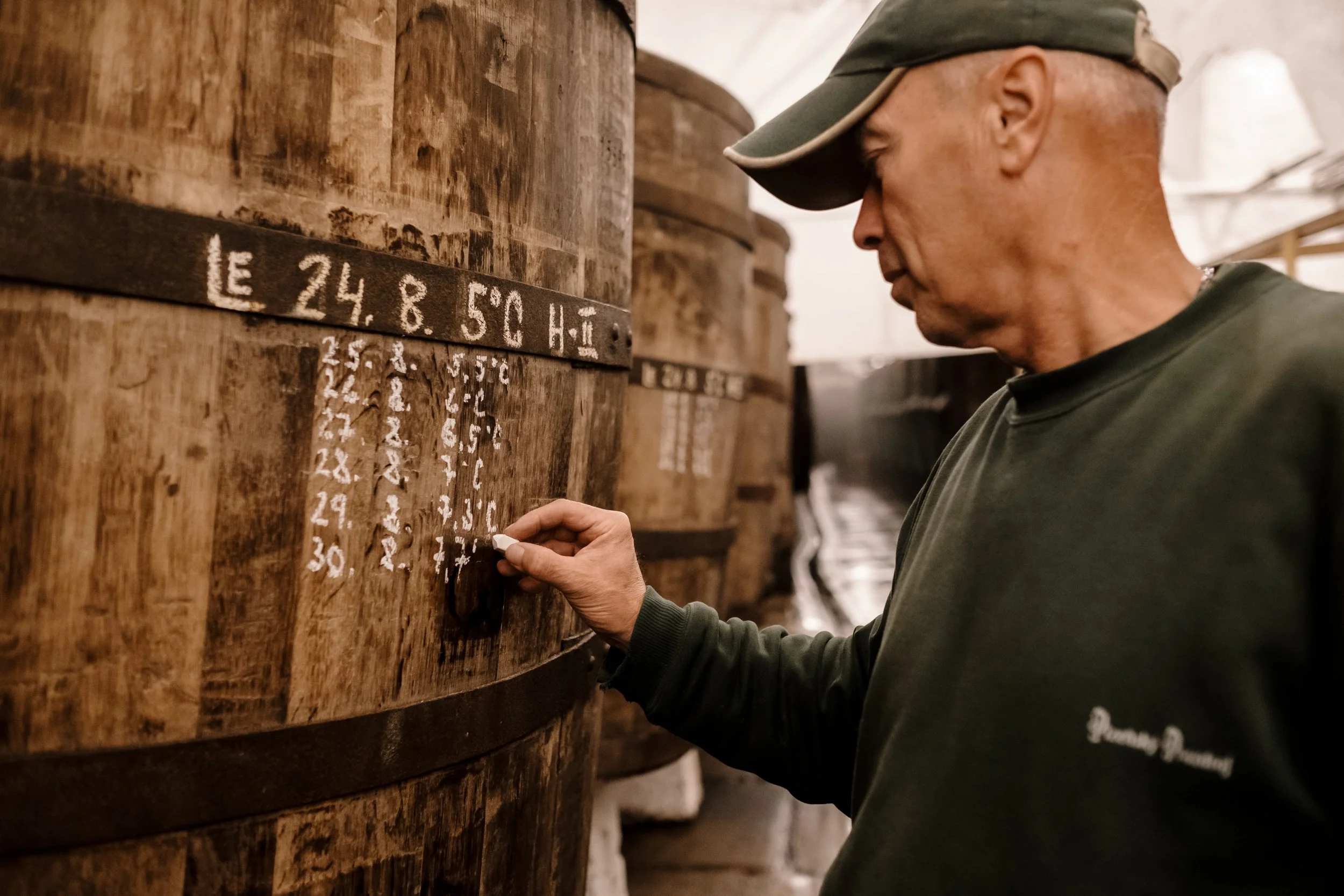
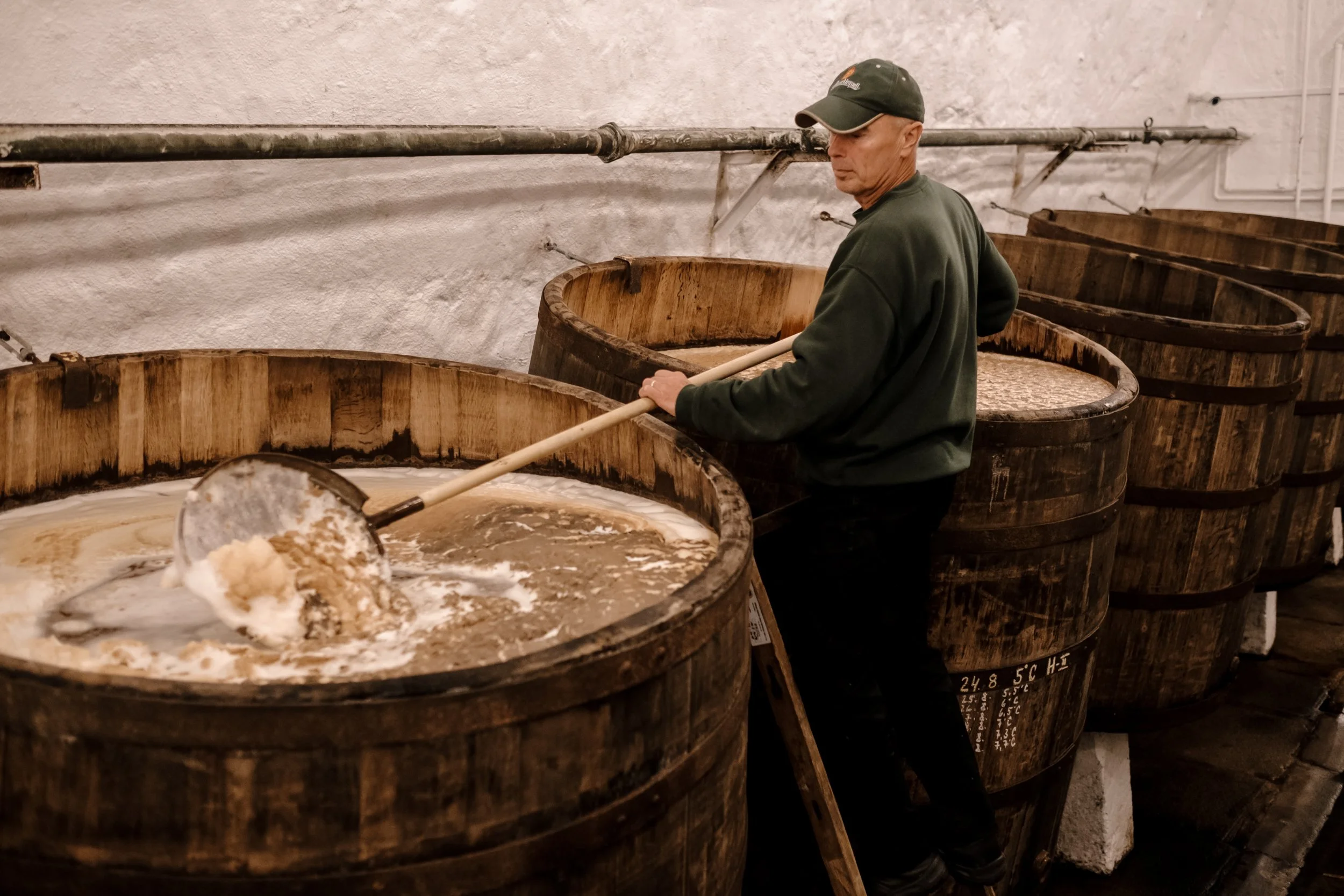
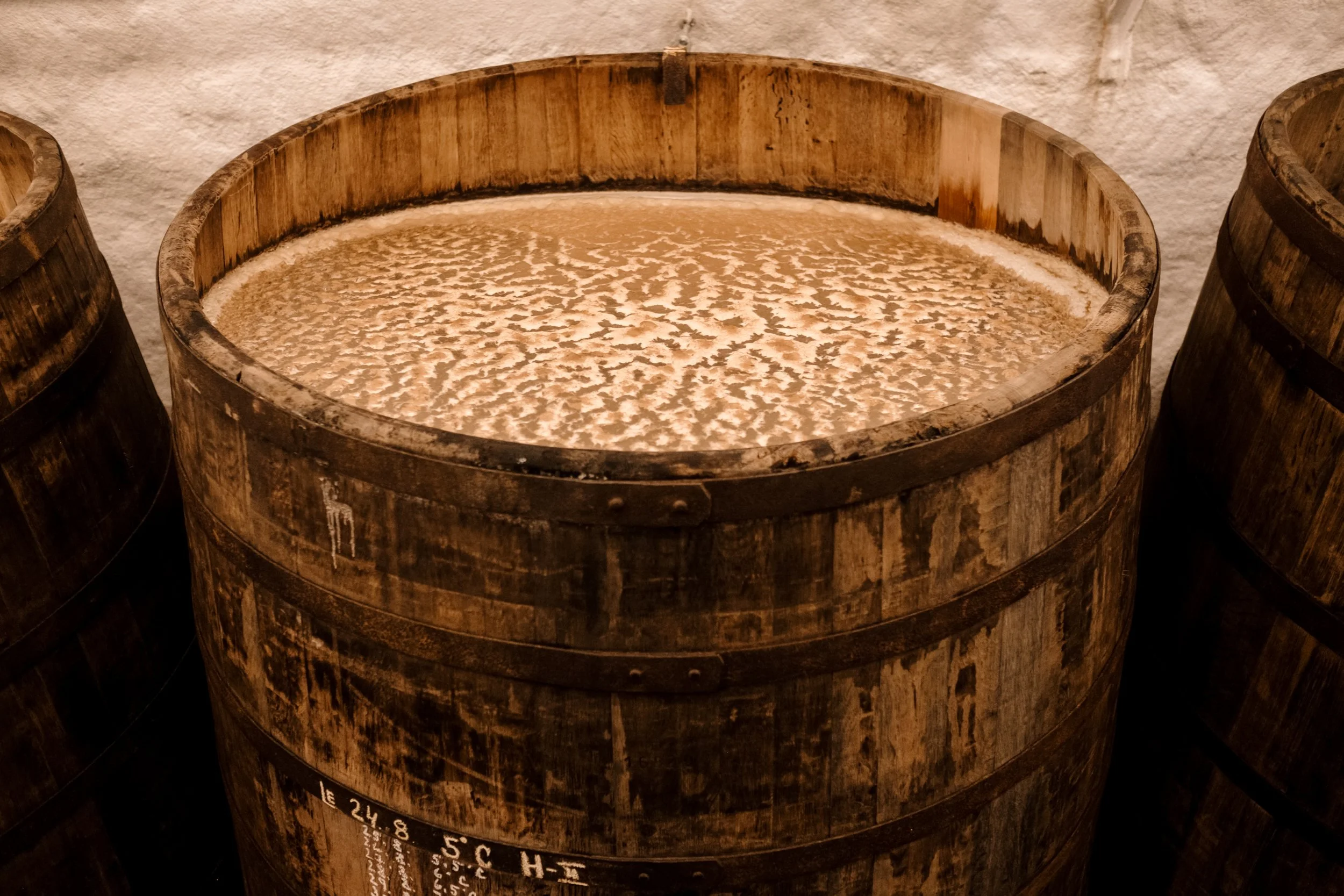
Deep beneath the brewery, Pilsner Urquell still makes beer using the old methods, brewing and maturing it in wooden casks as it was done generations ago. This is known as parallel brewing, with a small amount of beer made in the traditional way alongside the modern production.
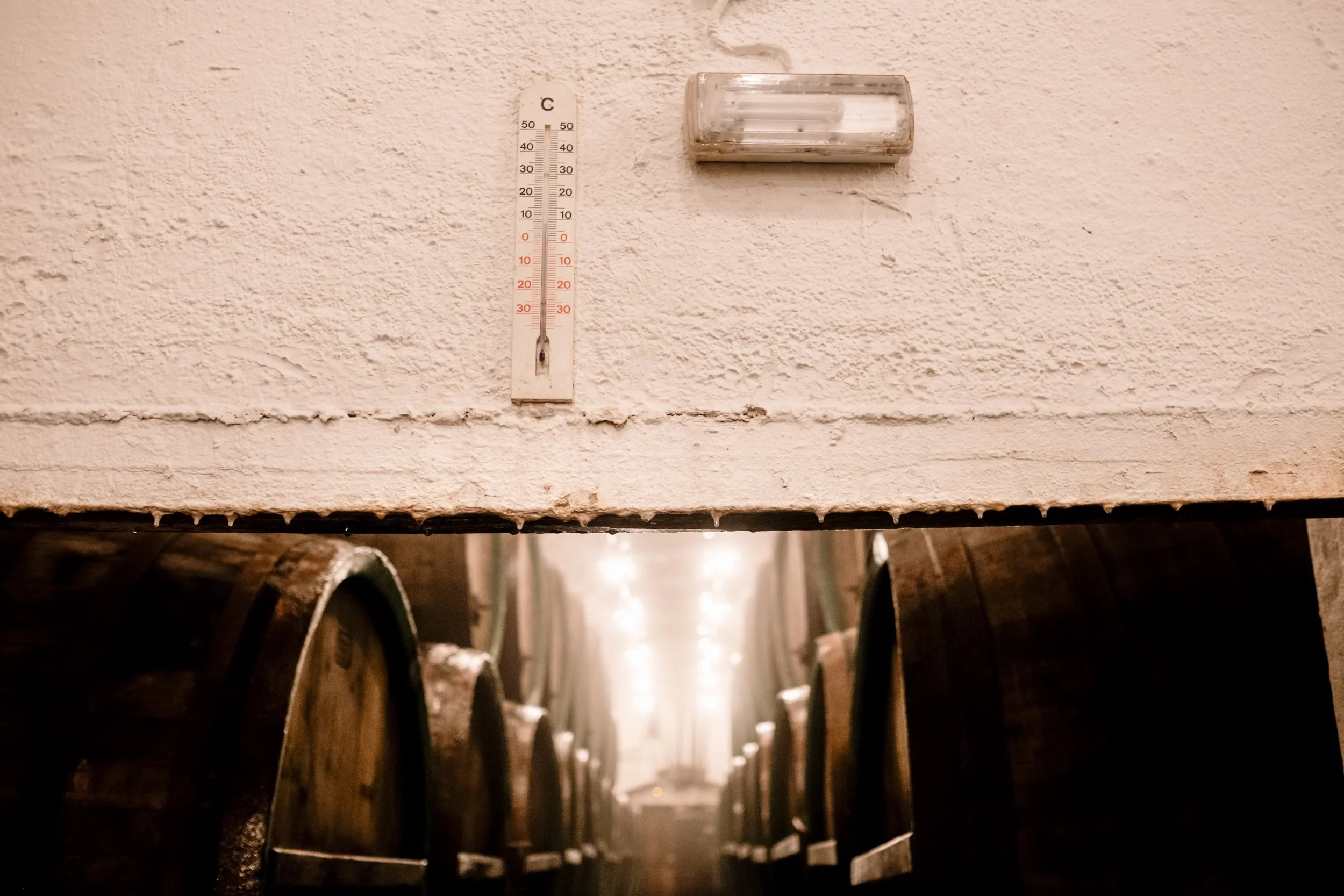
It is a living link to the brewery's past. Down there, in the cool and darkness of the cellars, the history of the beer is still being played out.
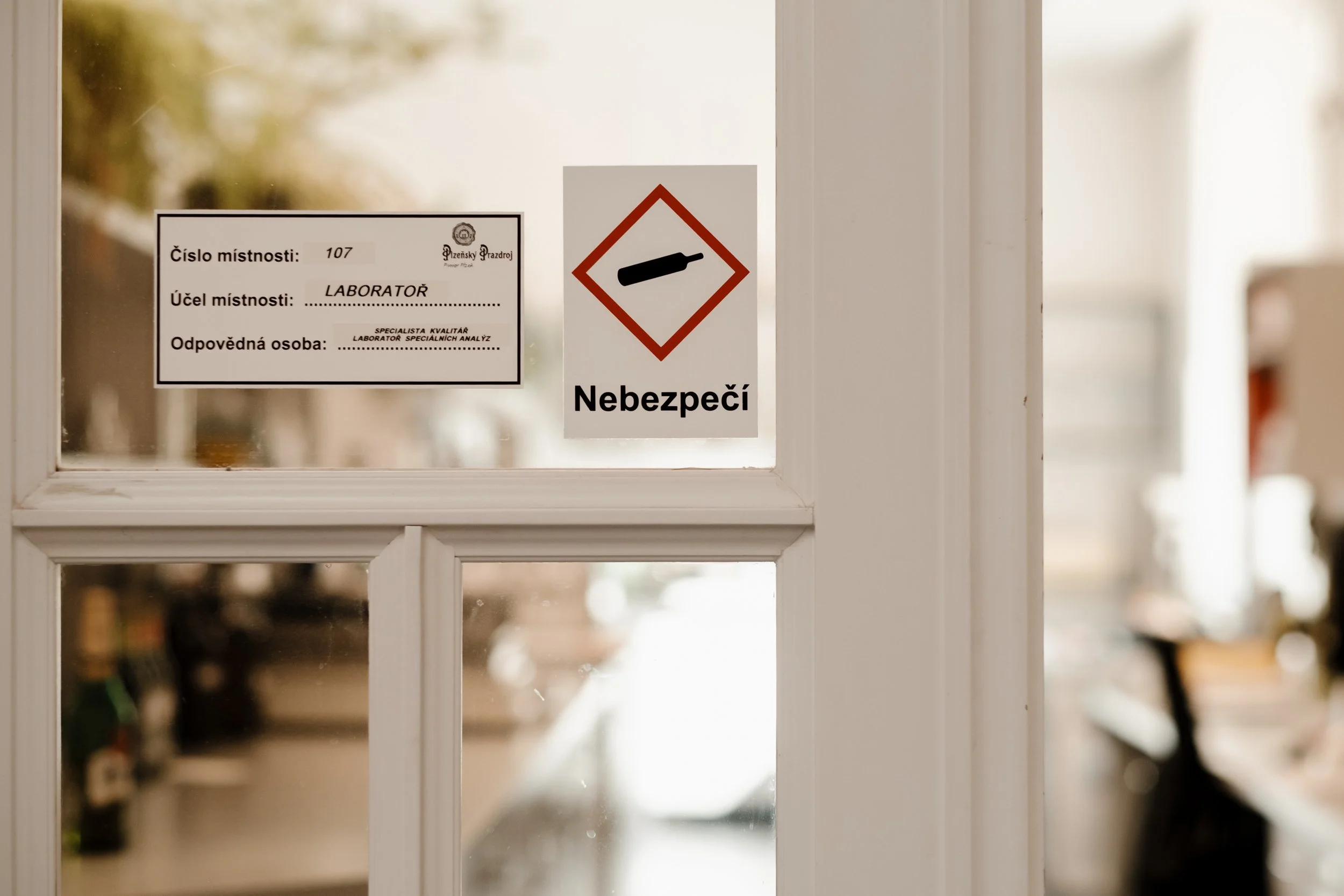
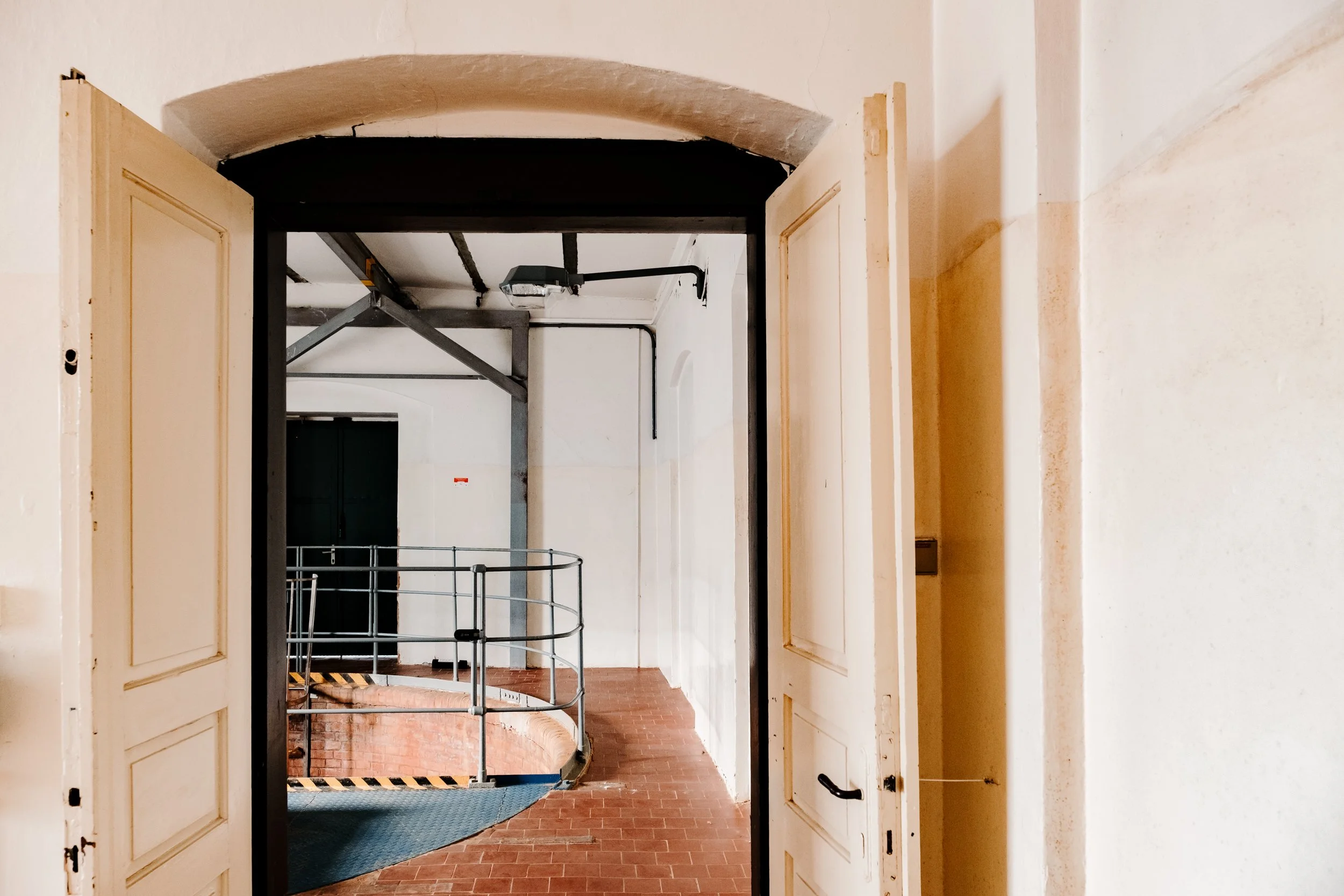
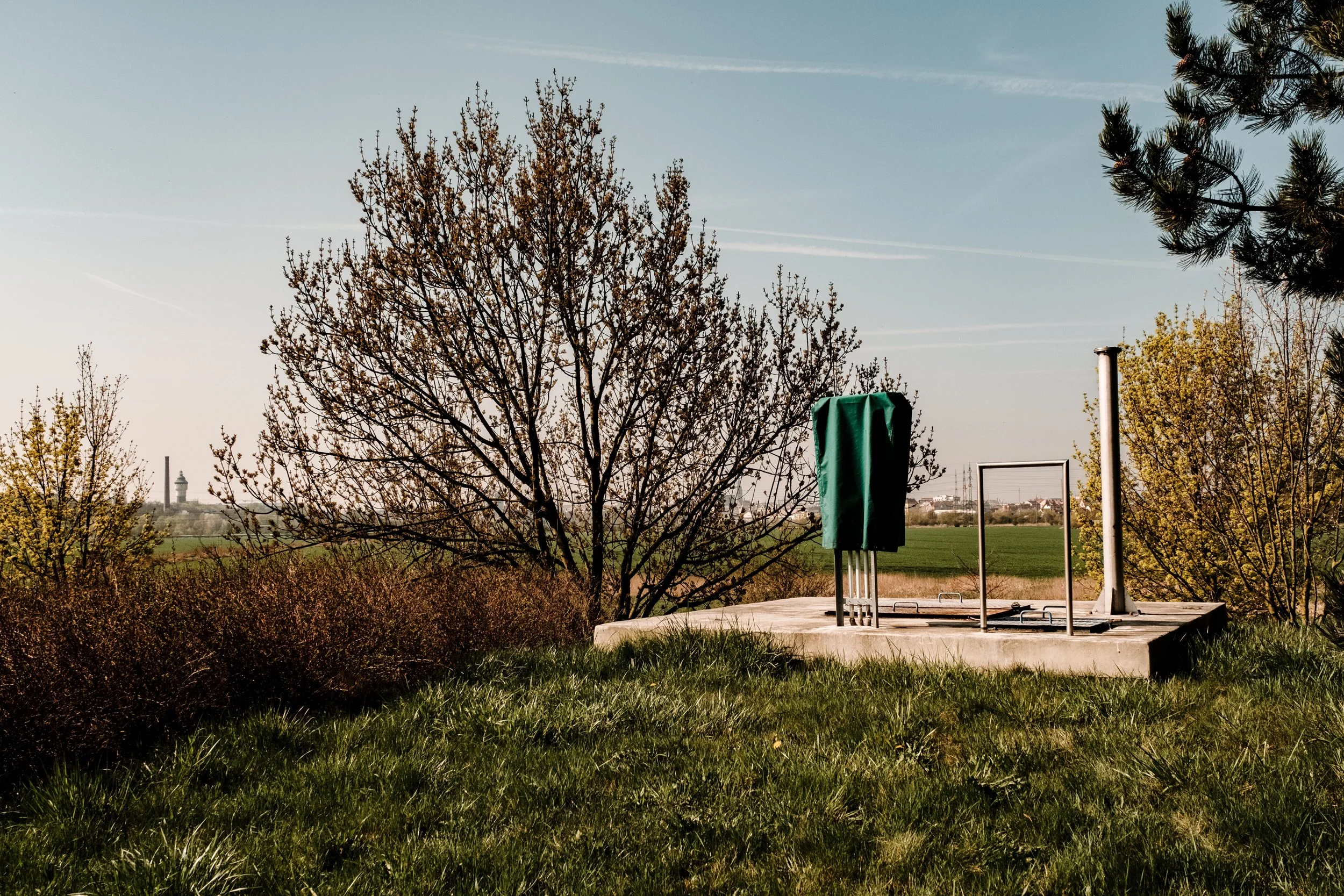
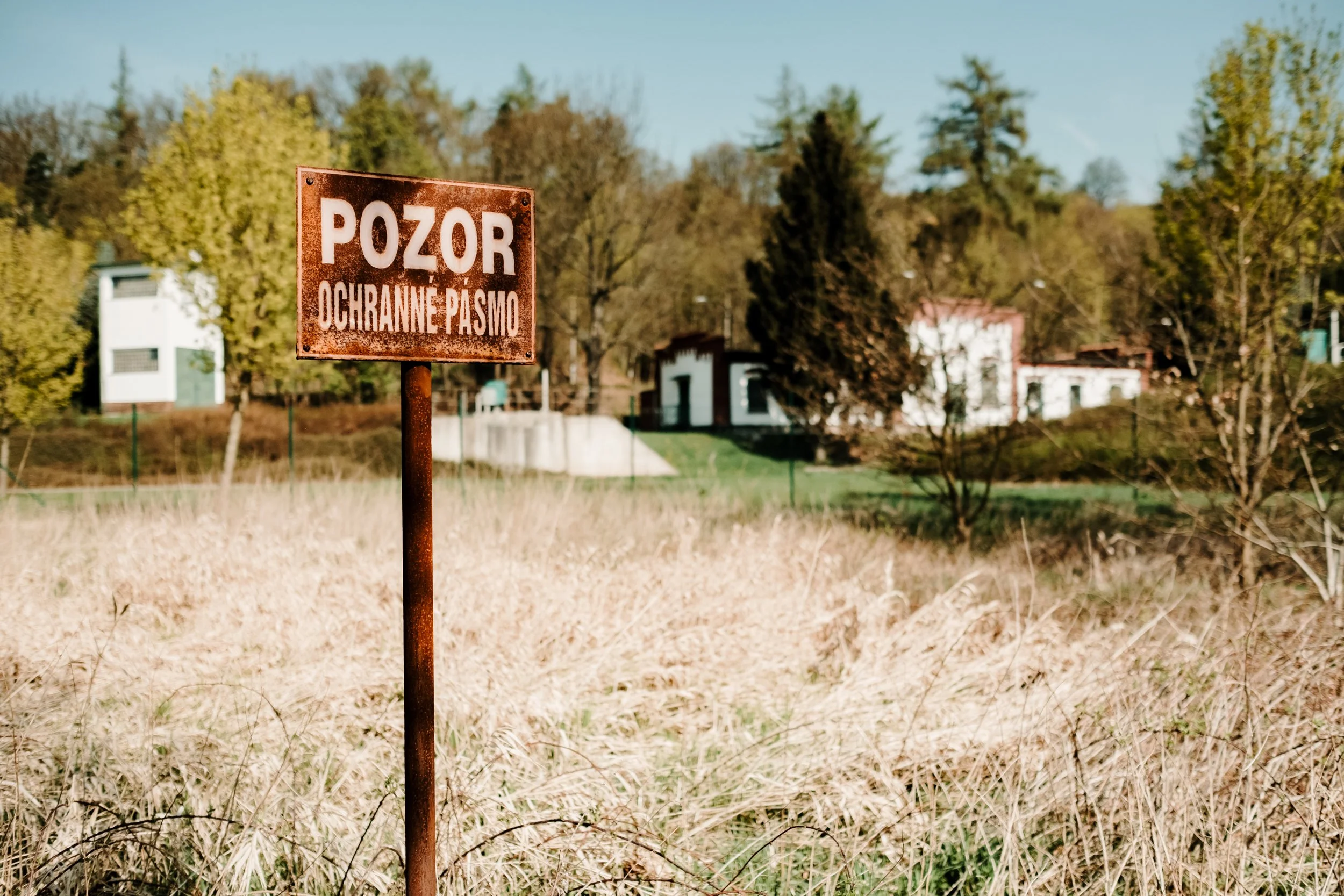
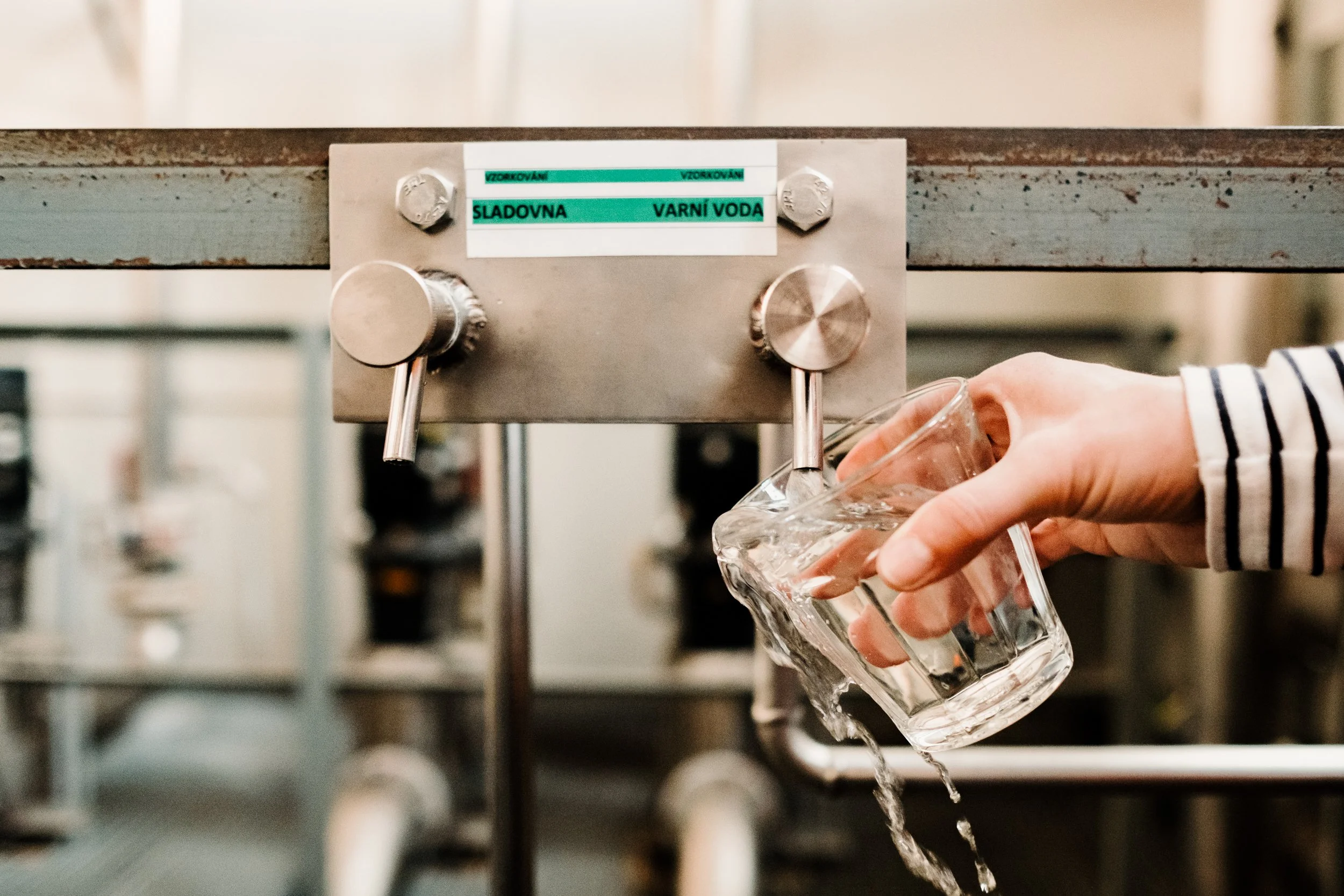
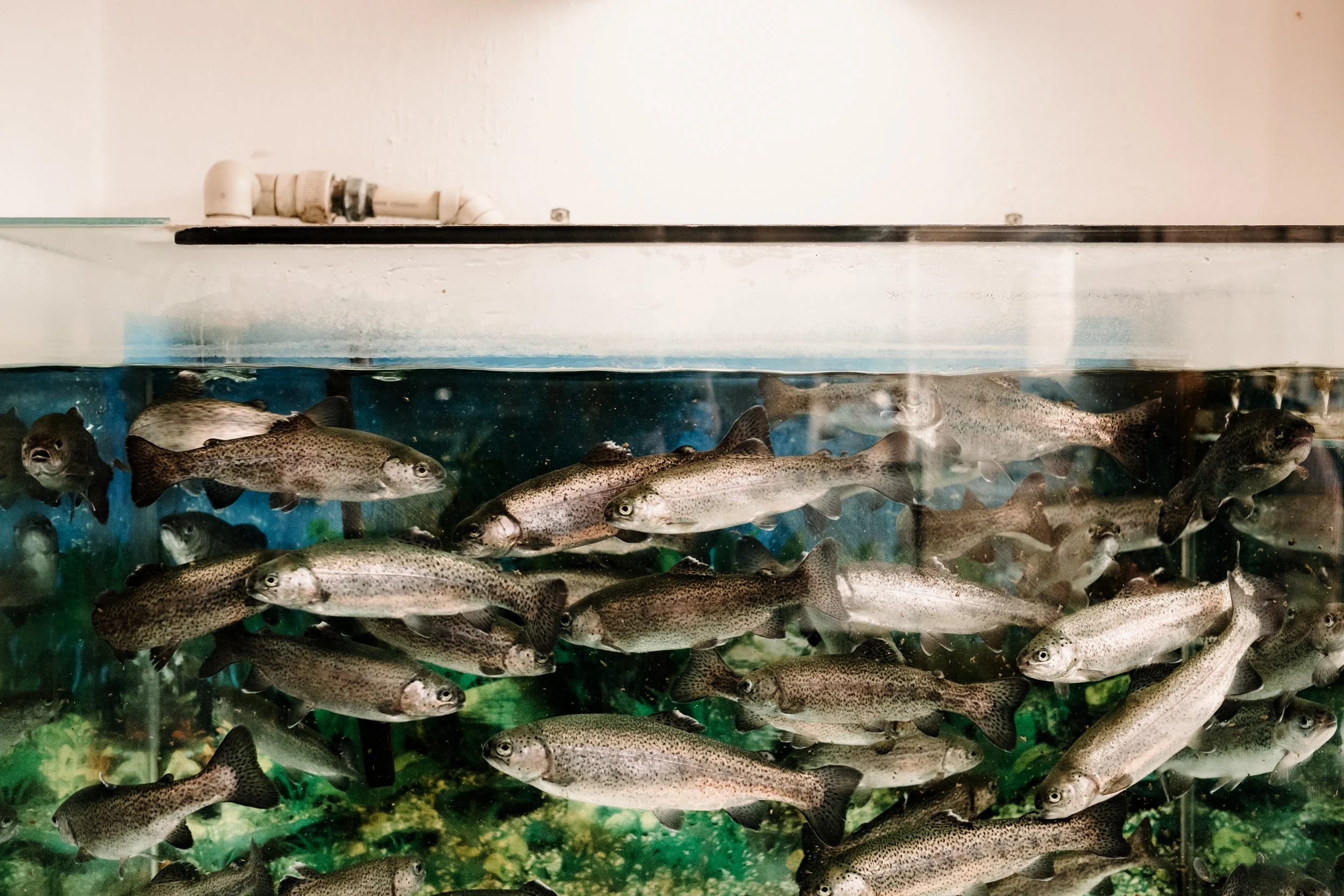
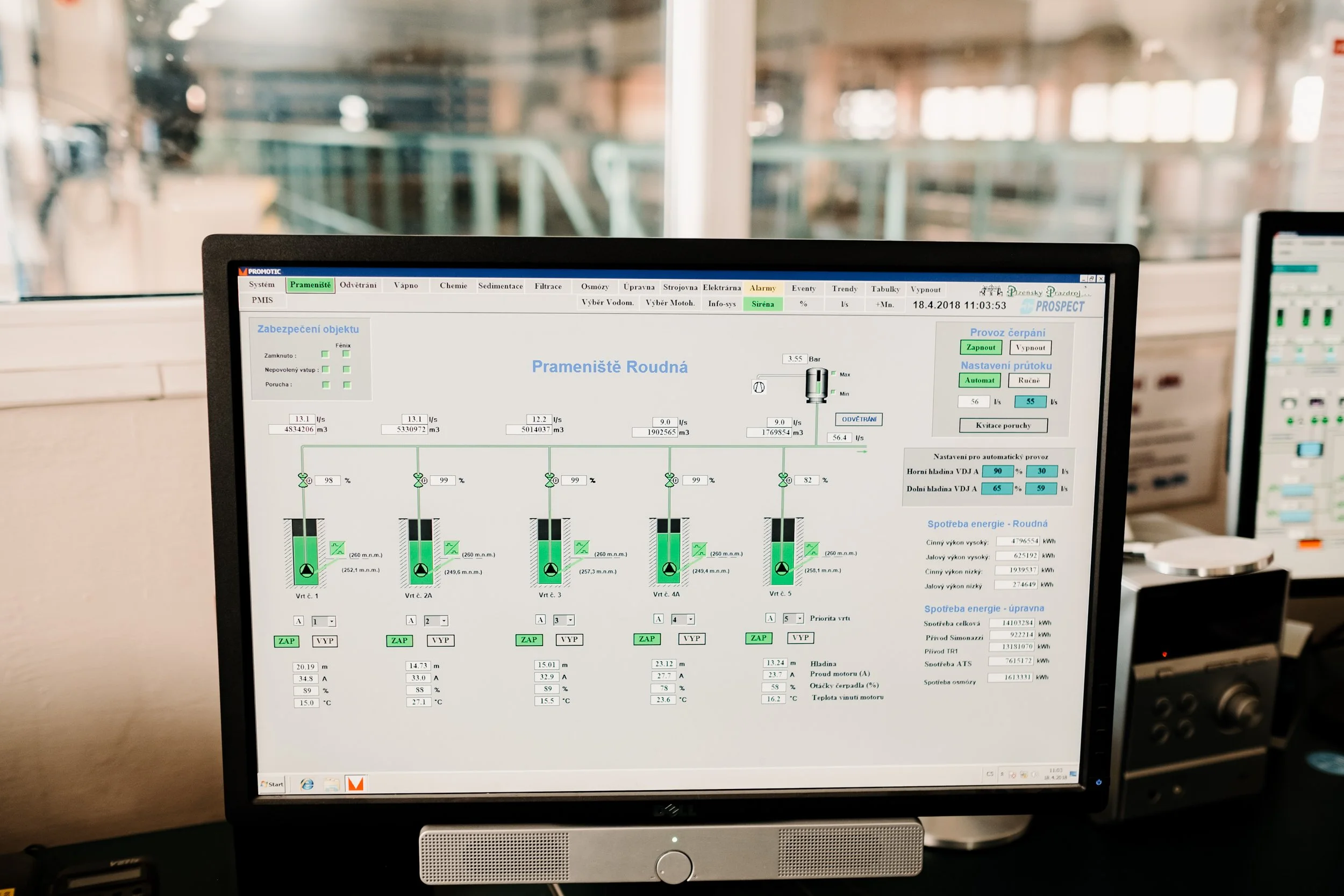
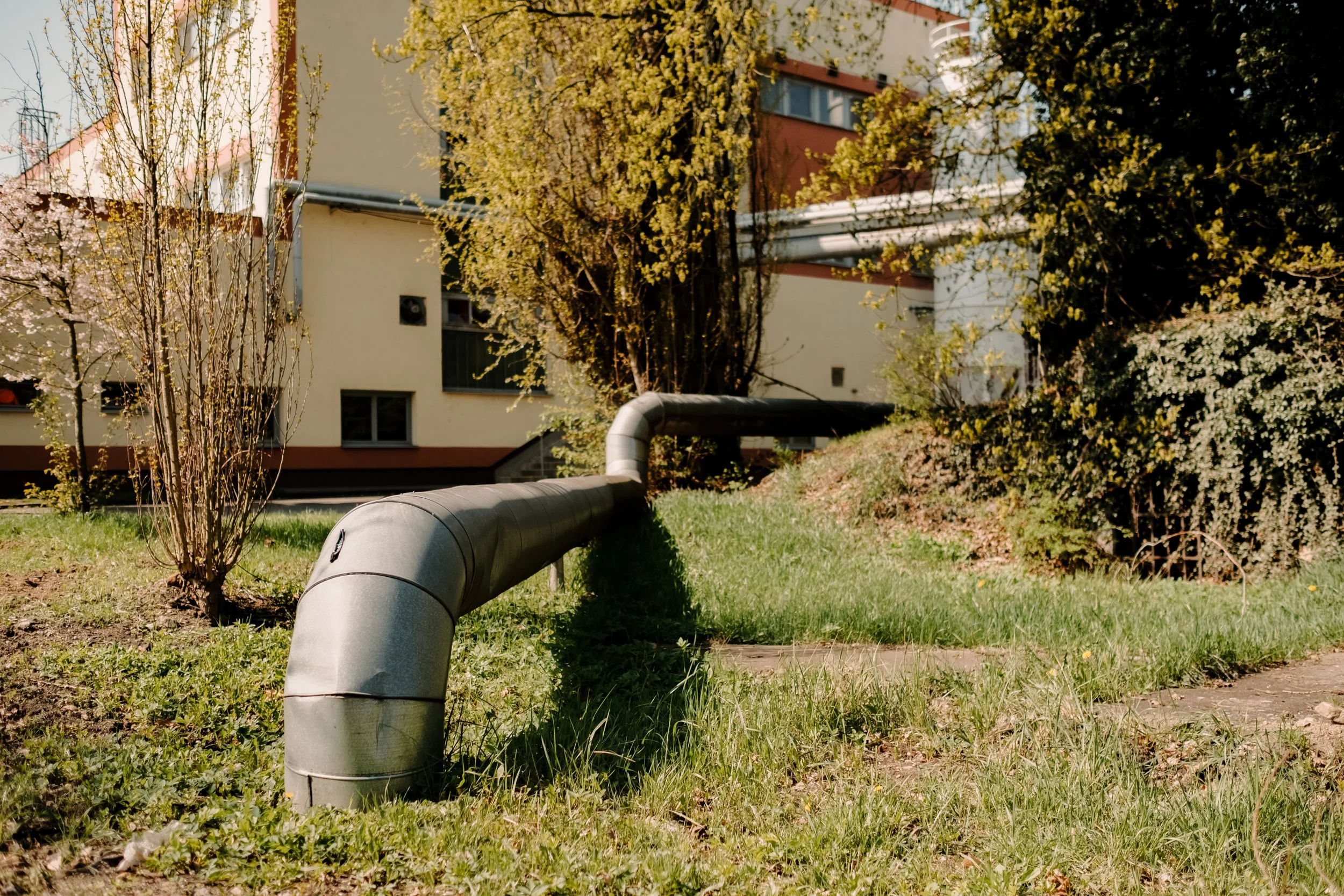
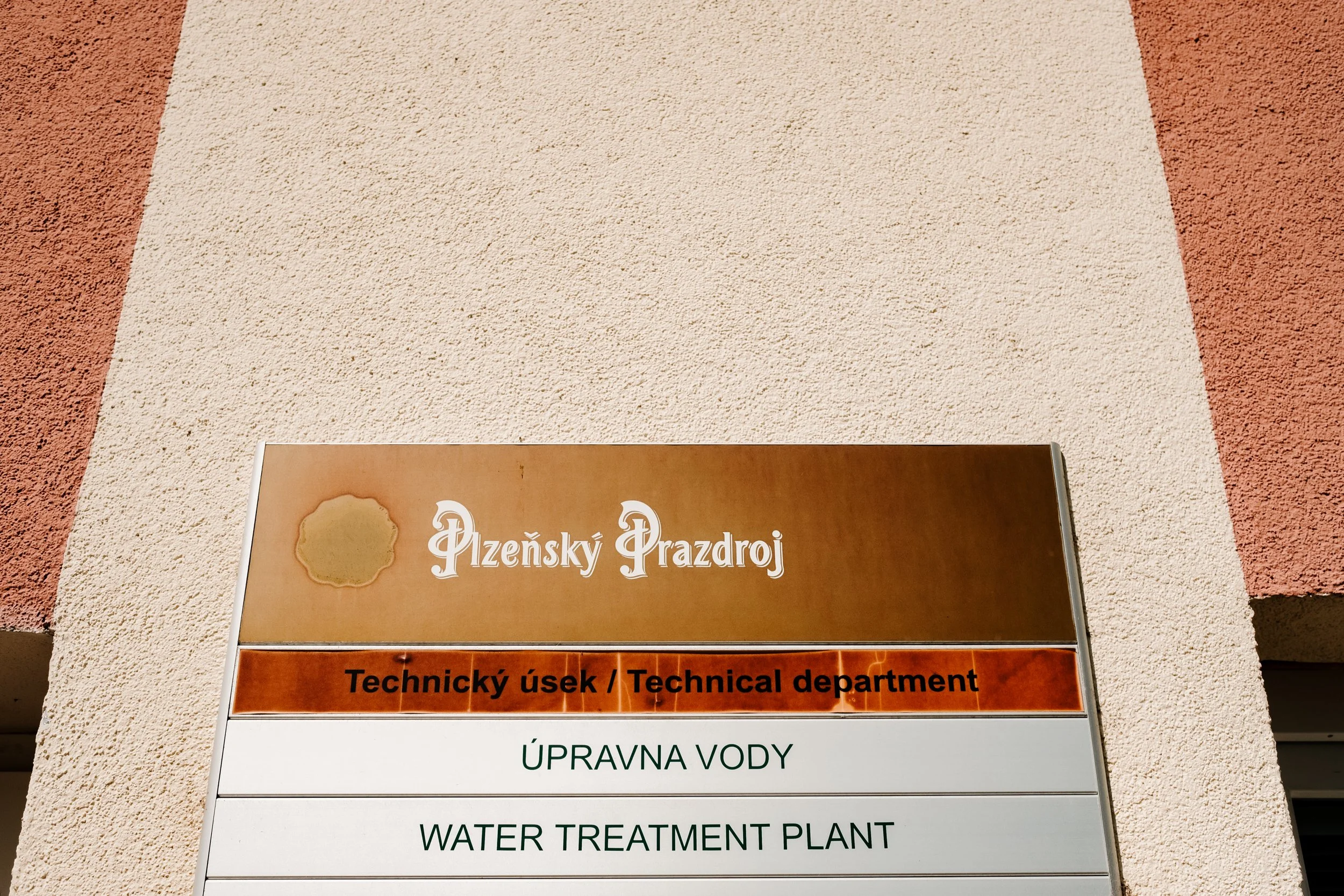
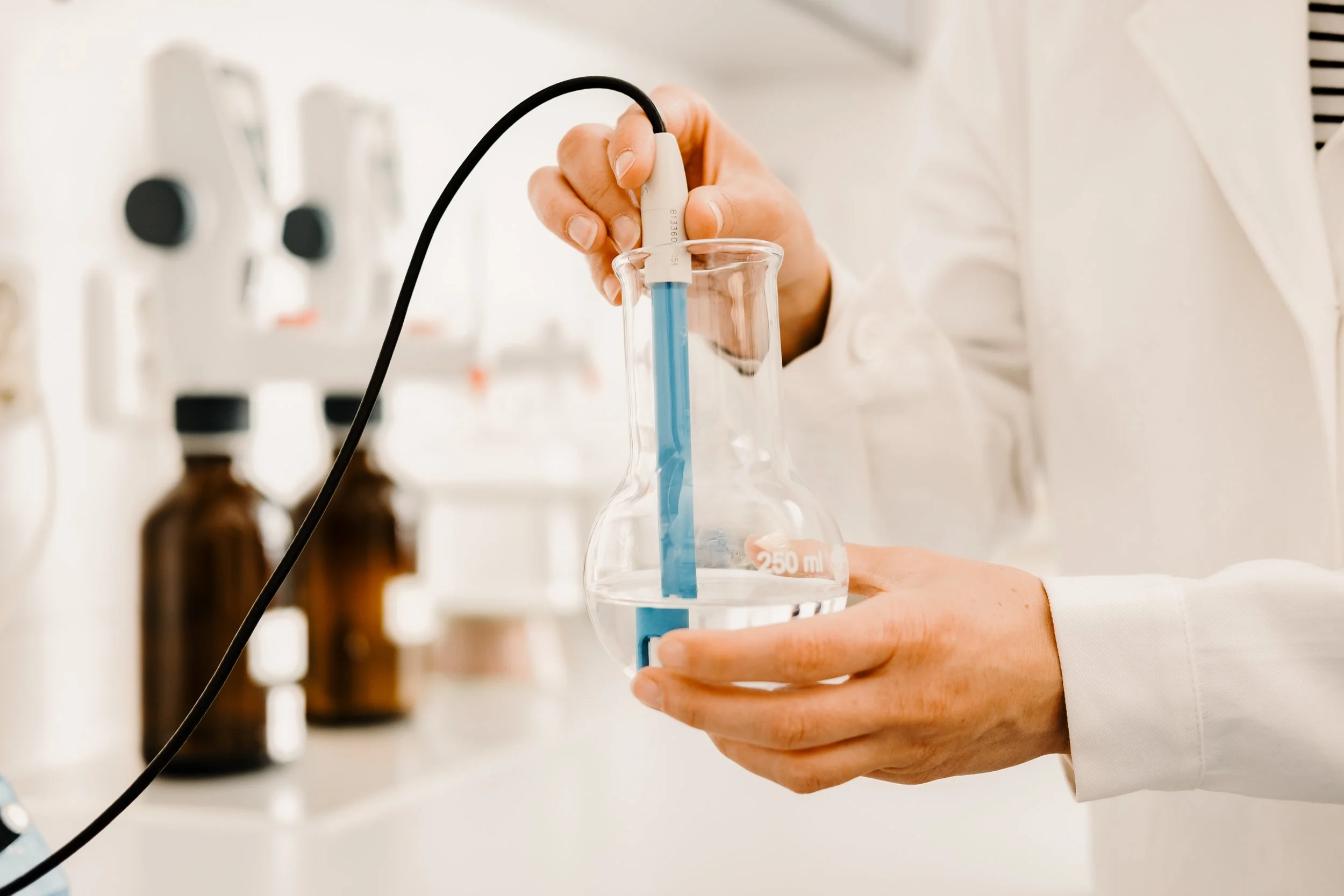
The story goes further than the brewery itself. I trekked out to the outskirts of Pilsen to find the water well that has been part of the story from the beginning. Back at the brewery, I spent time in the water lab, where the water is tested and checked. It is easy to think of beer as barley, hops and yeast. But here you begin to understand how much the place itself matters.
Getting behind the scenes at Pilsner Urquell has always been a highlight for me. This is where the real stories are. People who have spent decades learning their craft. People with an innate understanding of what should happen, what shouldn't, and when something isn't quite right.
These are the stories I want to photograph.
The polished side of a brand has its place. But behind it are people who have spent years, sometimes generations, learning, making, fixing, testing and preserving. Their knowledge rarely makes it into the glossy campaign, yet it is often what gives a place its character.
For me, those stories matter.
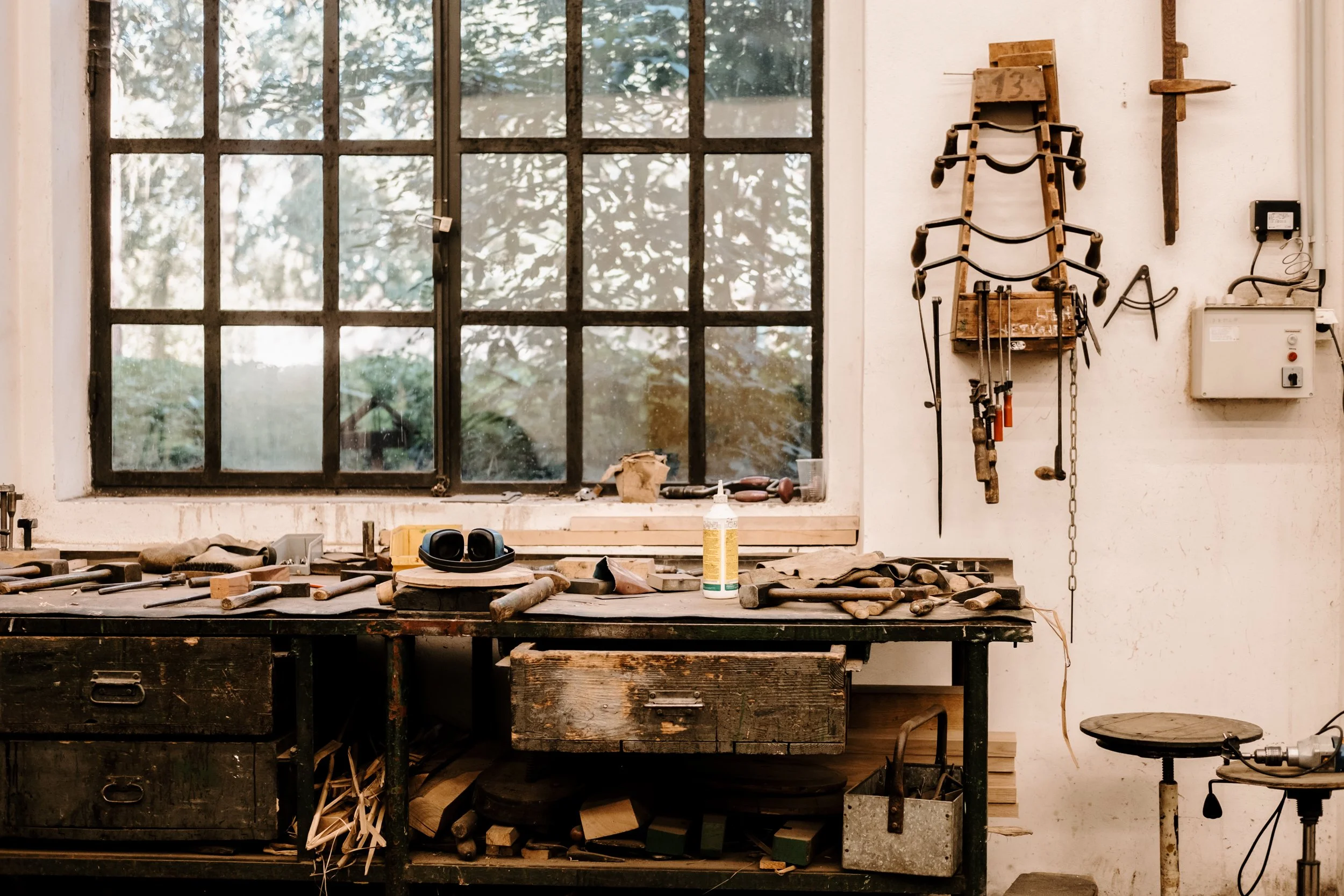
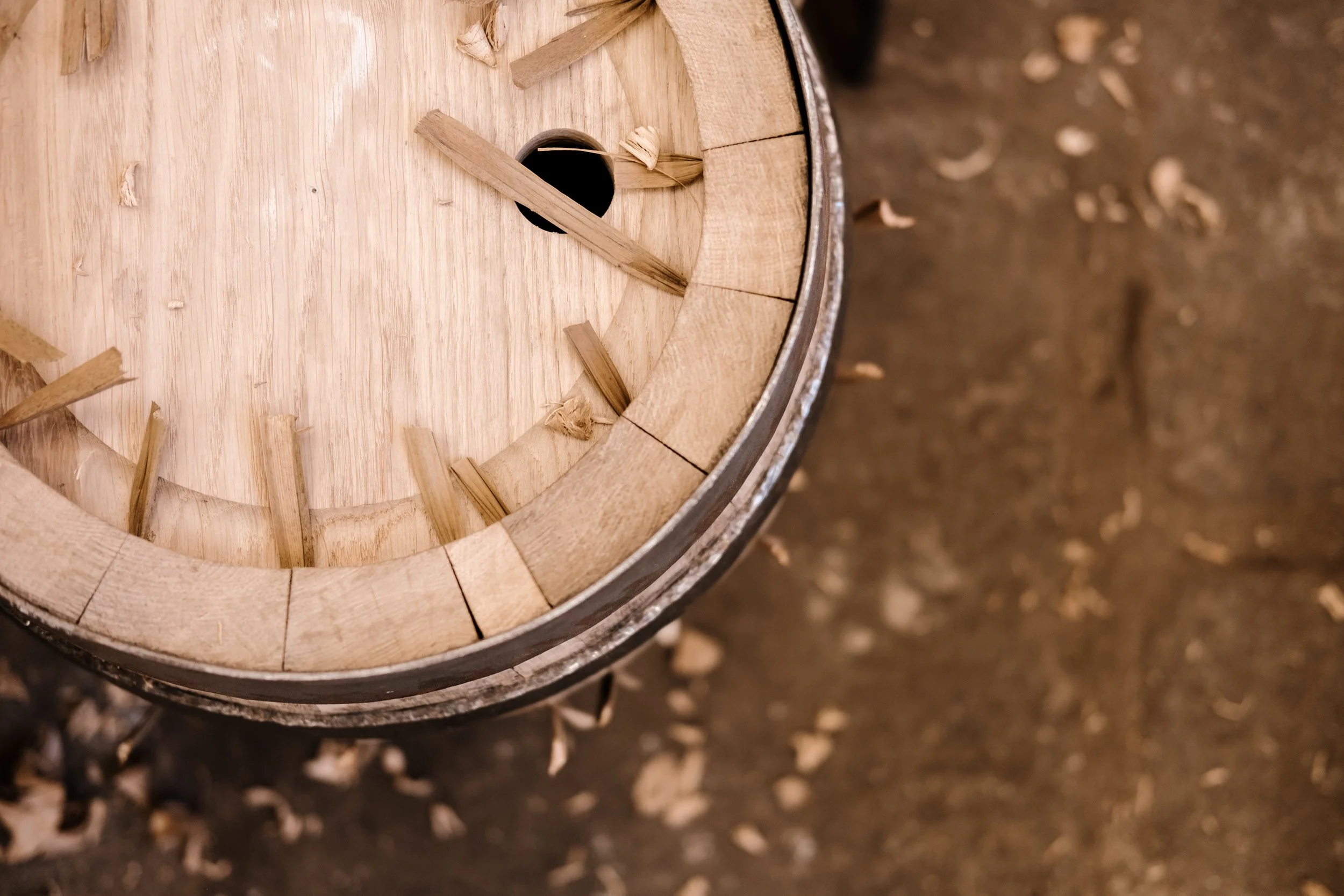
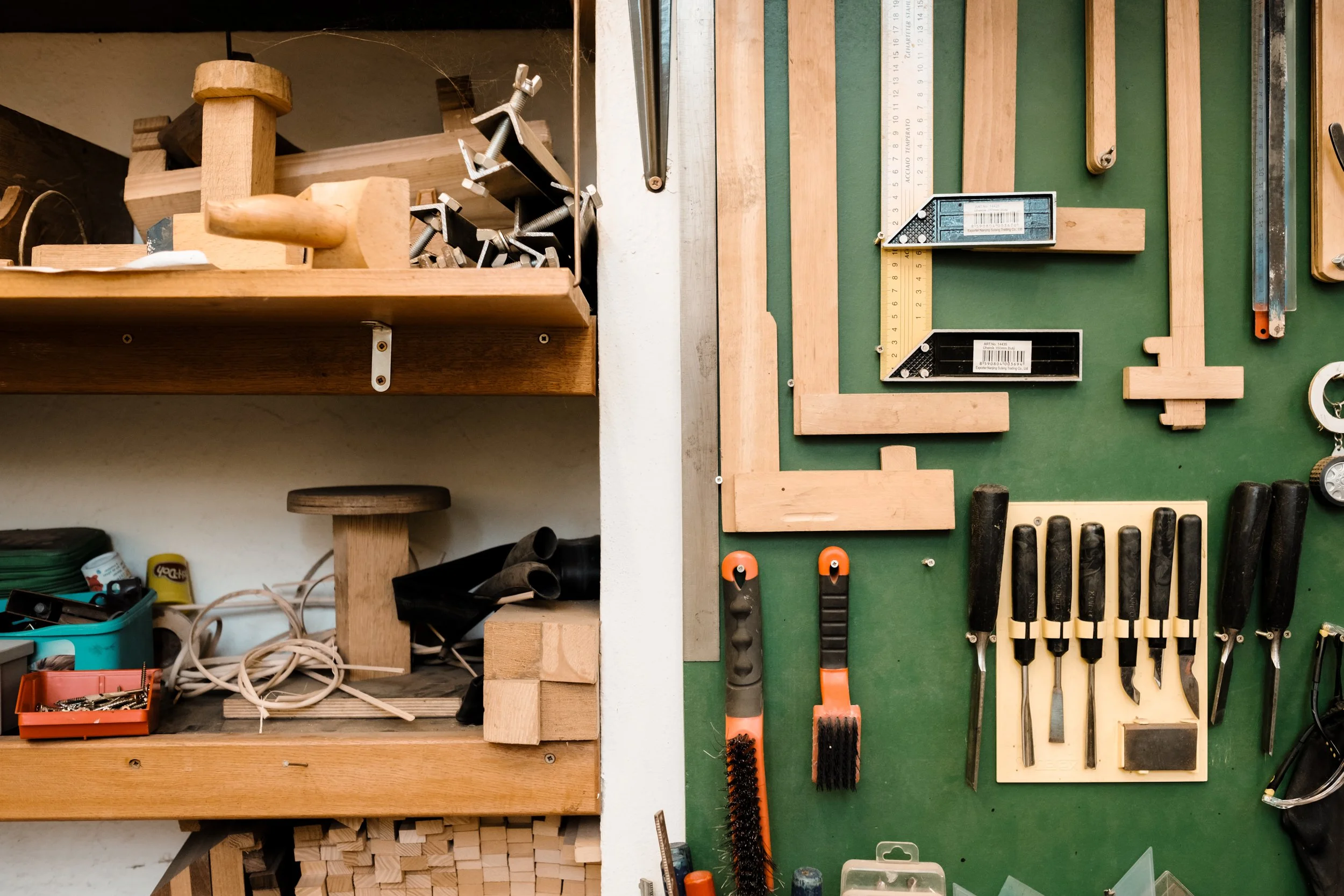
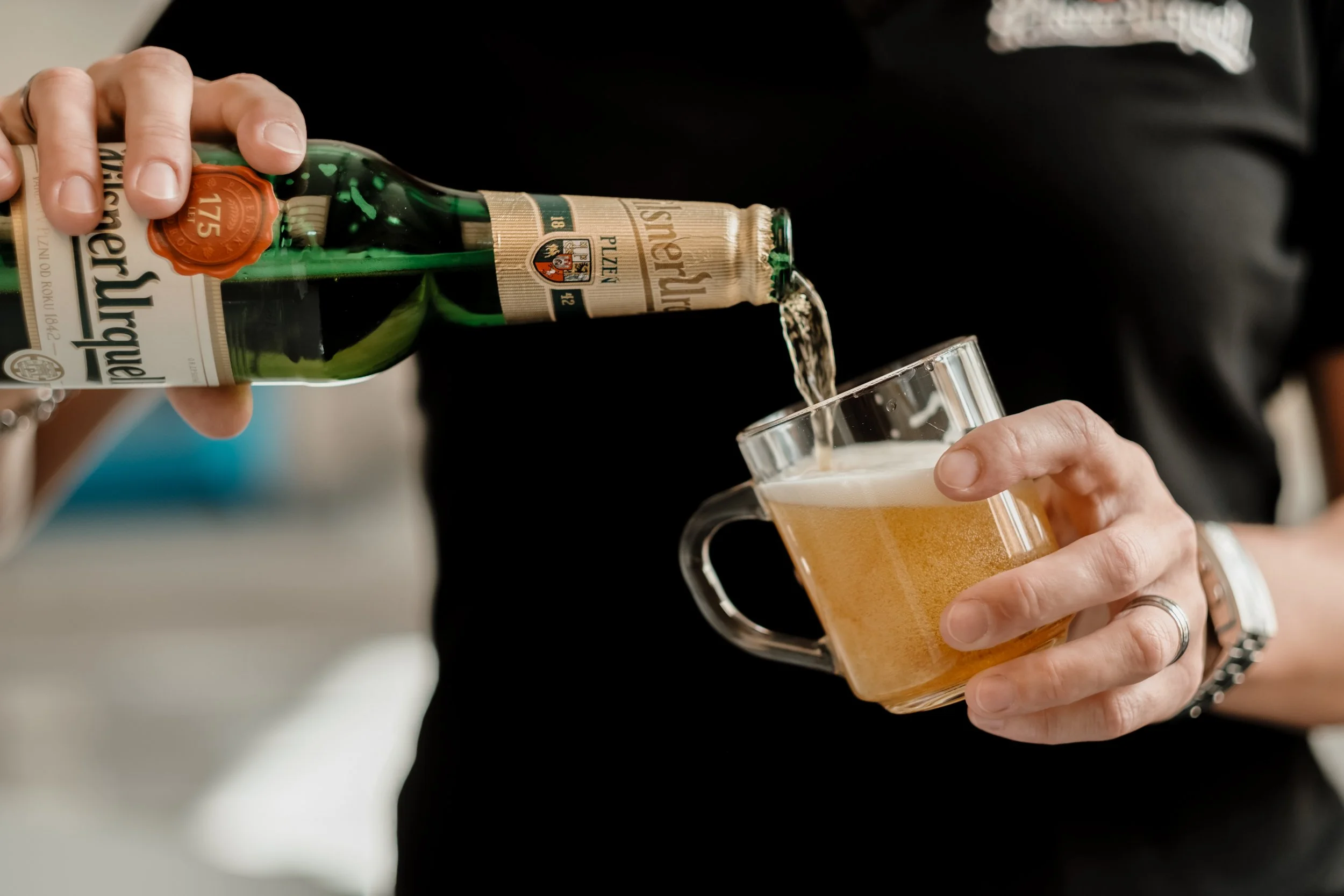
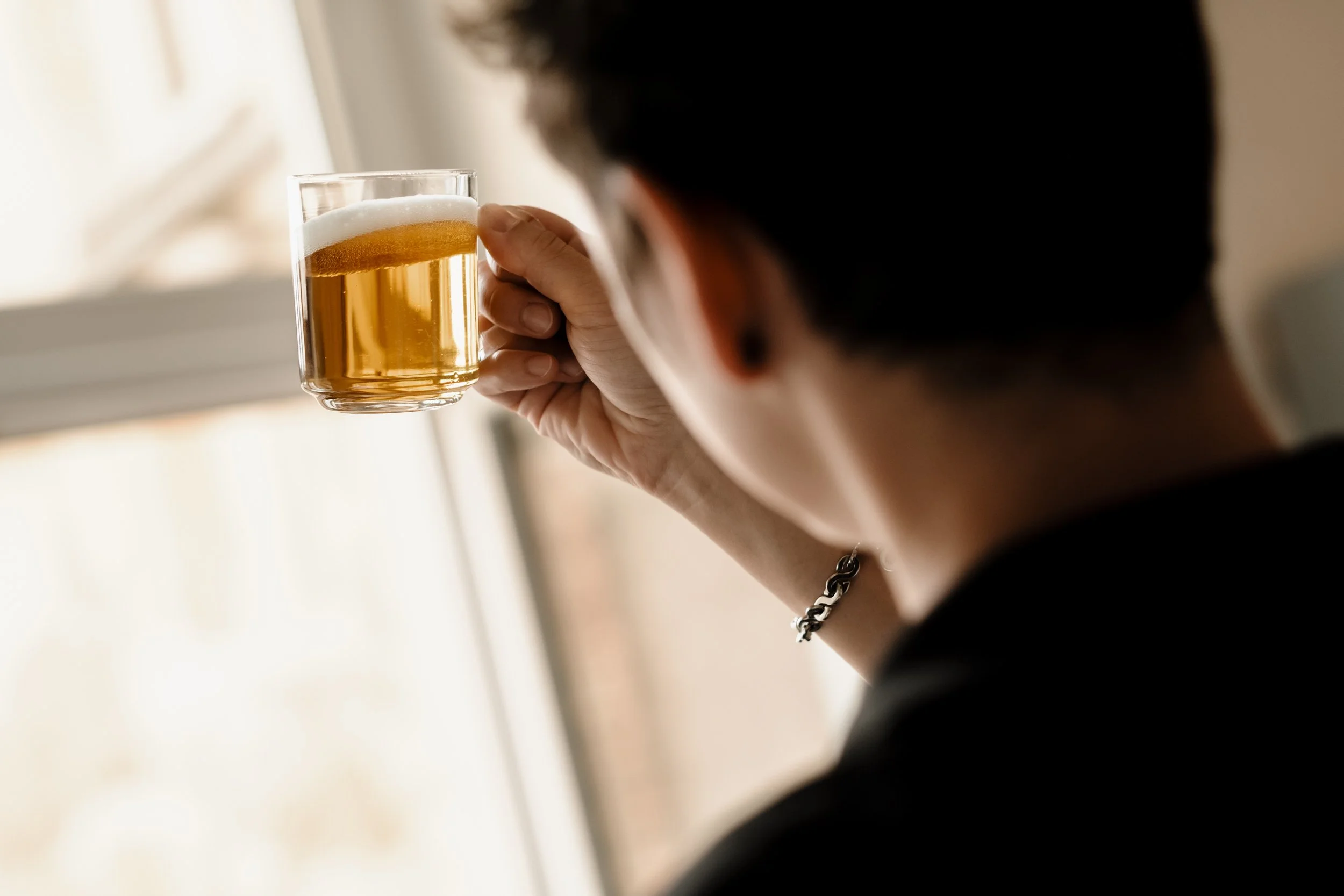
The hands. The tools. The worn surfaces. The cellars. The water. The concentration. The knowledge passed from one generation to the next.
Not just how to pour a beer or how to drink one. But the people who make it, the places that shape it and the craft that keeps it alive.
These are the real people behind the brand.
The real stories.
The human footprints.